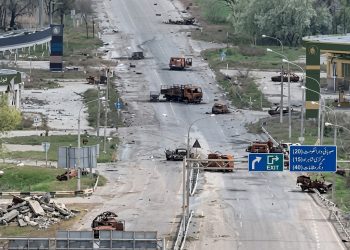



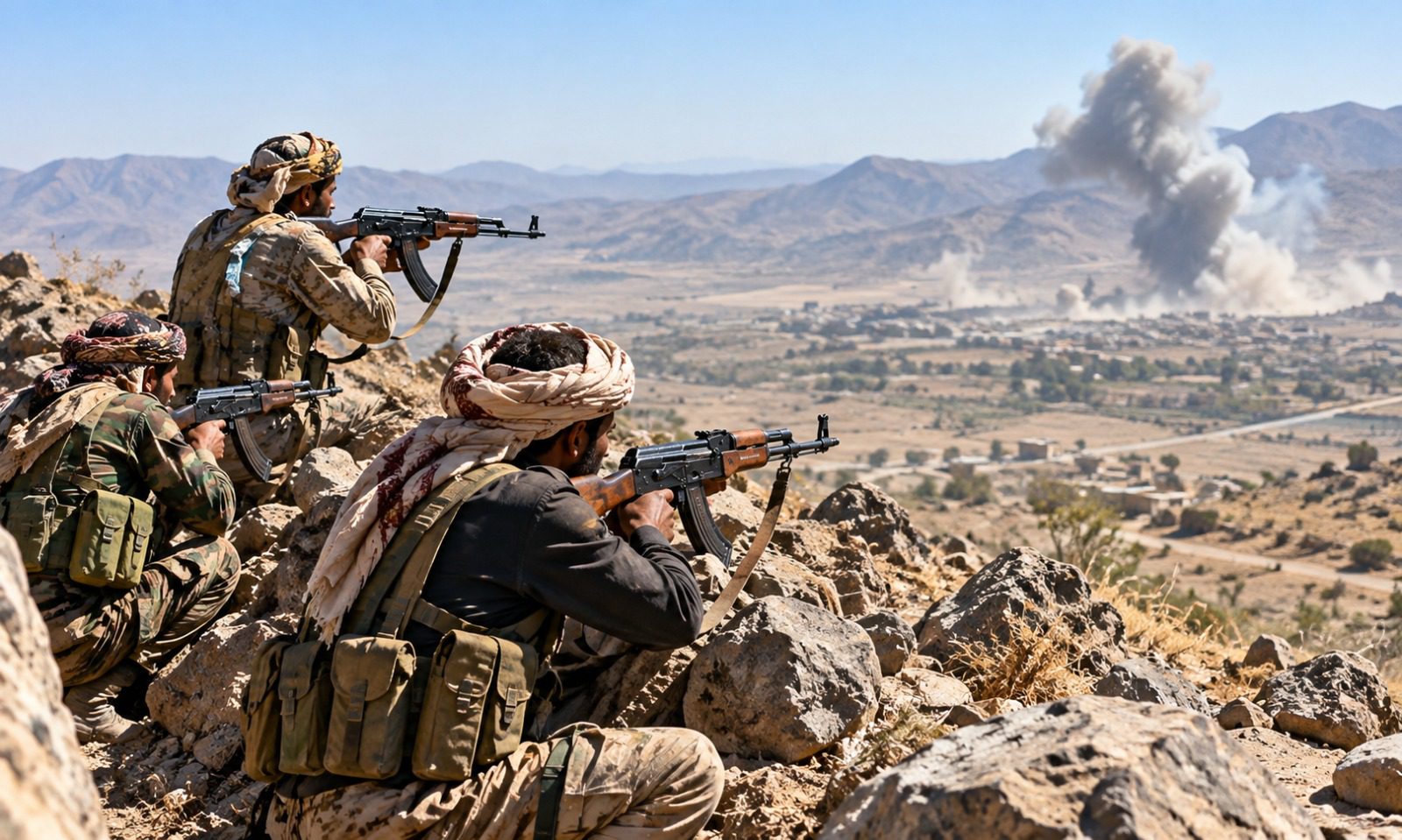
SANAA (Web Desk) — Renewed clashes between Yemen’s internationally recognised government forces and Houthi fighters have killed 97 combatants in the country’s southwest, military sources from both sides said on Tuesday, highlighting a fresh escalation in the conflict.
Read also: Houthis claim attacks on Saudi oil facility, Yemen port as Iran tensions escalate
At least 63 Houthi fighters and 34 pro-government combatants were killed, with most of the reported casualties occurring near the strategically important Bab al-Mandab Strait, according to military sources cited by AFP and reported by Dawn. The figures could not be independently verified.
The latest violence adds to growing concerns that Yemen’s prolonged civil war could intensify further, threatening regional security and disrupting an already fragile humanitarian situation.
The fighting pits forces loyal to Yemen’s internationally recognised government against the Houthi movement, which controls the capital, Sanaa, and extensive areas of the country. The conflict has involved shifting front lines, regional intervention and repeated attempts to establish a lasting ceasefire.
Strategic importance of Bab al-Mandab
The concentration of fighting near Bab al-Mandab gives the latest clashes significance beyond Yemen’s internal conflict.
The narrow waterway connects the Red Sea with the Gulf of Aden and the wider Indian Ocean, making it a vital route for international shipping between Europe and Asia. Commercial vessels using the route can access the Suez Canal, which remains an important corridor for global trade.
Any sustained disruption around the strait could force shipping companies to reconsider routes, potentially increasing transit times, freight costs and insurance premiums.
The waterway has also become more sensitive amid wider regional tensions and attacks on maritime traffic. The Houthis have previously targeted shipping and carried out attacks connected to the broader regional confrontation, drawing international attention to security in the Red Sea.
The latest clashes therefore raise concerns about the possibility of further instability around a corridor important to global commerce, although the reported fighting does not by itself establish that commercial shipping has been disrupted.
Conflict threatens fragile stability
Yemen has endured years of conflict that have divided the country between rival authorities and devastated essential infrastructure. Efforts to secure a durable political settlement have repeatedly encountered obstacles, leaving communities vulnerable to renewed fighting.
The 2022 truce helped reduce large-scale hostilities for a period, but it did not produce a comprehensive peace agreement. Subsequent developments have demonstrated how quickly local confrontations and regional tensions can undermine fragile calm.
Renewed clashes in the southwest add to uncertainty over whether the opposing sides can avoid another prolonged period of intensified warfare.
Military casualty figures in Yemen are often difficult to verify independently, particularly when fighting takes place in contested areas. The latest toll was attributed to sources from both sides, but further information would be needed to establish the full circumstances of the fighting, including the precise locations of individual clashes and the extent of territorial changes.
The reported deaths also underline the risks faced by civilians living near front lines, where fighting can threaten homes, roads, health facilities and access to essential supplies.
Humanitarian concerns deepen
The renewed violence comes as Yemen continues to face a severe humanitarian crisis, with large numbers of people dependent on assistance and essential services under pressure.
Recent reporting has highlighted the effects of fighting around Taiz, where disrupted fuel supplies and damage to water systems have complicated daily life. Restrictions on movement have also affected waste collection and access to healthcare, increasing concerns about disease and shortages of essential services.
Humanitarian organisations have warned that continued insecurity can prevent aid from reaching vulnerable communities and make it harder for families to obtain drinking water, food and medical treatment.
Further escalation could worsen these difficulties, particularly for displaced people and residents of areas close to active fighting.
For now, the reported deaths of 97 combatants indicate a serious intensification of hostilities in southwestern Yemen. Whether the clashes remain localised or develop into a wider offensive will depend on military movements and decisions by the rival sides in the coming days.
A sustained reduction in fighting would be important not only for Yemen’s prospects for peace but also for protecting civilians and maintaining stability around one of the region’s most important maritime corridors.