


By Our Correspondent
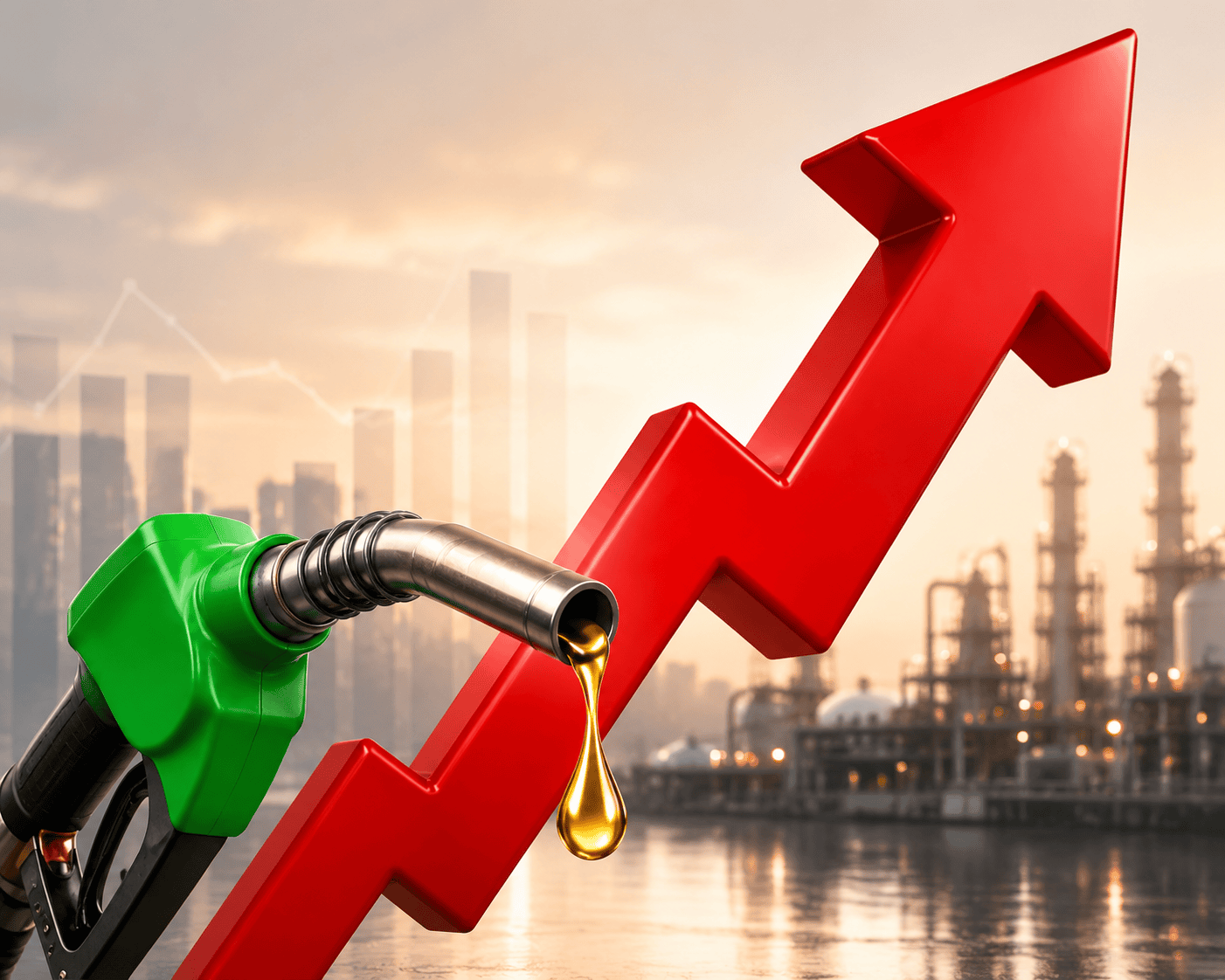
ISLAMABAD: The federal government has increased petroleum prices once again, pushing fuel costs higher for consumers across Pakistan amid fluctuations in international oil markets and rising geopolitical tensions. The latest adjustment has added to inflationary concerns as transporters, businesses, and households brace for increased expenses.
According to the revised petroleum prices, petrol prices were increased by Rs4.40 per litre, taking the rate to Rs331.52 per litre from Rs327.12. The price of high-speed diesel (HSD) was also raised by Rs3.62 per litre, reaching Rs378.66 per litre. The new rates came into effect under the government’s revised pricing mechanism.
The latest increase follows an earlier hike in which petrol prices were raised by Rs6.39 per litre while high-speed diesel became more expensive by Rs7.83 per litre. After that adjustment, petrol was priced at Rs327.12 per litre and diesel at Rs375.04 per litre.
Officials attributed the increase to changes in international petroleum prices, particularly due to uncertainty in global energy markets and tensions in the Middle East. Pakistan imports a significant portion of its petroleum requirements, making domestic fuel prices highly sensitive to international crude oil movements and exchange rate fluctuations.
The increase in diesel prices is expected to have a broader impact on the economy because HSD is widely used in freight transportation, agriculture, and industrial activities. Higher diesel costs generally increase the expenses of moving goods, which can ultimately affect prices of essential commodities including food items and consumer products.
Transport operators are likely to face additional pressure as fuel remains one of their major operating costs. Any increase in transportation charges may directly affect commuters, particularly in major cities where millions of people depend on public and private transport daily.
Economists have warned that repeated fuel price adjustments could complicate efforts to control inflation. Although the government’s move reflects international market conditions, consumers remain concerned about the impact on their monthly budgets, especially amid already high costs of electricity, food, and other necessities.
The government has recently moved towards a more frequent petroleum price review system to respond quickly to changes in global oil markets. Supporters argue that the mechanism allows faster adjustment according to international trends, while critics say frequent revisions create uncertainty for businesses and consumers.
The latest increase also comes at a time when Pakistan is attempting to maintain economic stability, improve foreign exchange reserves, and manage external financial pressures. Fuel prices remain a key factor influencing inflation, government revenues, and overall economic activity.
Analysts believe that any sustained rise in international oil prices could lead to further pressure on domestic fuel rates in coming weeks. However, a decline in global crude prices or stability in currency markets could provide some relief to consumers.
For ordinary citizens, the latest petrol price hike means higher commuting expenses and additional financial pressure, while businesses will closely monitor fuel costs before making decisions regarding prices, production, and transportation charges.


