


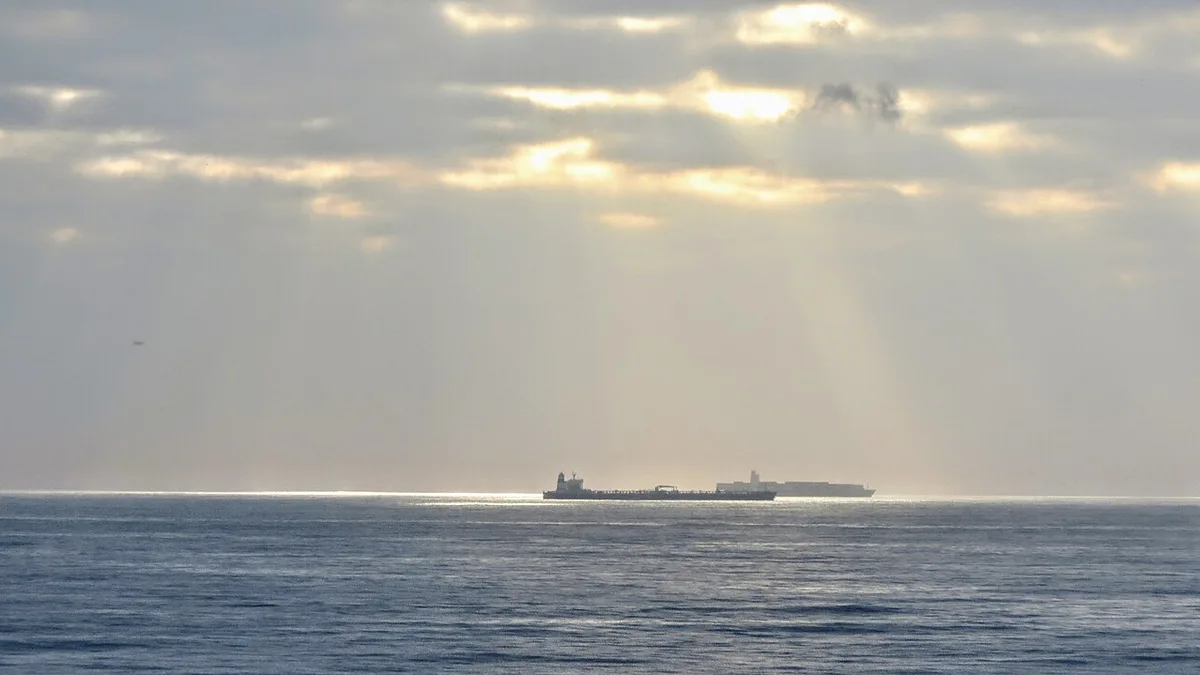
NEW DELHI (Web Desk) – India has formally lodged a strong diplomatic protest with Iran following the death of an Indian seafarer and injuries to several others in recent attacks on commercial vessels transiting the Strait of Hormuz, a key global shipping corridor.
The Ministry of External Affairs confirmed on Tuesday that Iran’s deputy ambassador in New Delhi was summoned to convey India’s concerns over the incidents, which have heightened fears about maritime security and the safety of civilian crews operating in one of the world’s busiest waterways.
According to Indian officials, the deceased sailor was among 46 crew members aboard two merchant vessels, MT Al Bahiyah and MT Mombasa, which came under attack while passing through the strategic strait. The crew included 30 Indian nationals. Ten Indian seafarers were injured in the incidents, with two reported to be in critical condition and receiving medical treatment.
The Indian government expressed deep concern over the attacks, emphasizing that commercial shipping routes and civilian maritime personnel should never become targets during periods of regional tension. Officials said the safety of international shipping remains essential for global trade, energy supplies and economic stability.
In its diplomatic communication to Tehran, India called for a thorough investigation into the attacks and urged all parties to respect international maritime norms. New Delhi also stressed the need for measures to ensure the protection of foreign nationals working aboard merchant vessels navigating through the Gulf region.
The Strait of Hormuz remains one of the world’s most strategically significant maritime passages, connecting major oil-producing Gulf states to international markets. Any disruption to shipping activity in the area has the potential to affect global energy prices and international trade flows.
The latest incidents come amid growing tensions surrounding maritime operations in the region. The United States recently reinstated a blockade on Iranian shipping activities in parts of the Strait of Hormuz and announced plans to introduce new security measures aimed at protecting vessels operating in the waterway. Washington has argued that enhanced security arrangements are necessary to safeguard international shipping from rising threats.
Iran, however, has strongly rejected the move, maintaining that external powers should not dictate the future management of the strategic passage. Iranian officials insist that regional countries are capable of ensuring maritime security and have criticized foreign involvement in the area.
The situation became more complicated after another Indian national was reported missing following an attack on the container vessel GFS Galaxy earlier this week. Indian authorities said efforts were underway to determine the whereabouts of the missing crew member and provide assistance to affected families.
Iranian officials stated that the vessel had attempted to transit through what they described as an unauthorized route despite receiving prior warnings. Tehran defended its actions, arguing that maritime regulations and security procedures must be followed by all vessels operating in sensitive areas.
India’s foreign ministry said it remains in close contact with Iranian authorities and maritime agencies to monitor developments. The government has also activated diplomatic channels to facilitate medical assistance for injured crew members and support for families affected by the attacks.
Maritime experts warn that continued instability in the Strait of Hormuz could have far-reaching consequences beyond the region. The waterway has long served as a critical artery for global energy shipments, and any prolonged disruption could impact international supply chains, shipping costs and commodity markets.
Analysts say the latest developments highlight the growing risks faced by civilian seafarers caught in the crossfire of geopolitical disputes. Industry groups have renewed calls for stronger international cooperation to ensure the safety of commercial vessels and protect maritime workers operating in conflict-prone waters.
India reiterated its commitment to safeguarding its citizens abroad and urged all stakeholders to exercise restraint. The government emphasized that dialogue, adherence to international law and respect for freedom of navigation remain essential for maintaining peace and stability in one of the world’s most vital maritime corridors.