


NEW DELHI (Web Desk) – The United Arab Emirates (UAE) is exploring the possibility of acquiring advanced defence systems from India, including the BrahMos supersonic cruise missile and the Akashteer air defence network, as the Gulf nation seeks to strengthen its military capabilities amid evolving regional security challenges.
According to reports, discussions between New Delhi and Abu Dhabi are currently at an early stage but have gained momentum in recent weeks. The potential deal reflects growing defence cooperation between the two countries, which have significantly expanded ties in trade, energy and strategic affairs over the past several years.
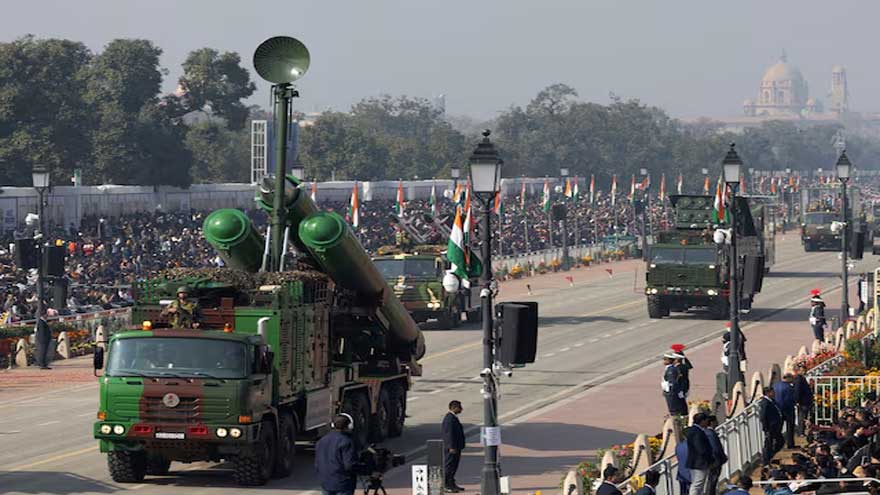
The BrahMos missile, jointly developed by India and Russia, is regarded as one of the fastest cruise missiles in the world and can be launched from land, sea and air platforms. The Akashteer system, meanwhile, is an automated command-and-control network designed to integrate air defence assets and improve responses to aerial threats.
Security analysts believe the UAE’s interest in these systems is linked to its efforts to enhance national defence and protect key infrastructure, particularly after recent regional conflicts highlighted the importance of advanced missile and air defence capabilities.
The Strait of Hormuz, one of the world’s most important maritime routes for energy exports, remains a strategic priority for Gulf countries. Strengthening defence systems is viewed as part of broader efforts to safeguard shipping lanes and respond to emerging security risks.
Experts note that the UAE has traditionally relied on Western defence suppliers, particularly the United States, for major military acquisitions. However, Abu Dhabi has increasingly sought to diversify its procurement strategy by engaging with a wider range of international partners.
Defence observers say cooperation with India offers the UAE greater flexibility while strengthening relations with a country that has become an increasingly important economic and strategic partner in the region.
The discussions also highlight India’s growing ambitions as a global defence exporter. In recent years, New Delhi has expanded its military manufacturing sector and promoted indigenous defence products to international buyers.
India’s defence exports have risen sharply over the past decade, supported by government efforts to boost domestic production and reduce reliance on foreign suppliers. The BrahMos missile has emerged as one of the country’s flagship export products, attracting interest from several nations across Asia, Africa and Latin America.
Analysts believe that any future agreement with the UAE would further enhance India’s reputation in the international defence market and strengthen strategic ties between the two countries.
The reported talks come amid shifting geopolitical dynamics in the Middle East, where countries are increasingly pursuing diversified security partnerships while adapting to changing regional alliances and defence requirements.
Although no official agreement has been announced, the discussions underline the growing strategic convergence between India and the UAE and signal the possibility of deeper military cooperation in the years ahead.


