


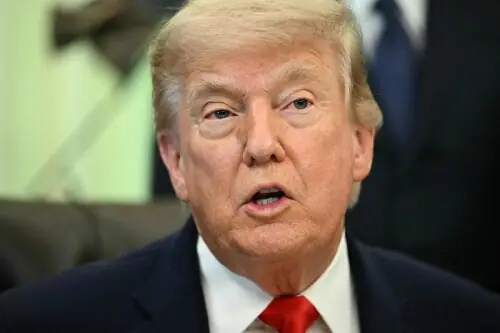
WASHINGTON (Web Desk) — Former U.S. President Donald Trump has reportedly blamed Israel for delays in the signing of a near-final agreement with Iran, saying recent Israeli military actions in the Middle East have complicated diplomatic efforts, according to media reports.
The comments come amid heightened tensions in the region, where indirect negotiations between Washington and Tehran have been moving toward a framework agreement aimed at ending months of conflict and reopening key trade routes, including the Strait of Hormuz.
According to reports, Trump privately and publicly expressed frustration that Israeli airstrikes and retaliatory attacks linked to Hezbollah activity in Lebanon have disrupted what he described as “final-stage” preparations for the deal. He argued that the timing of the Israeli operations undermined the momentum of talks and risked derailing a broader regional settlement.
Trump has been pushing for a rapid diplomatic breakthrough with Iran, presenting the emerging agreement as a major foreign policy achievement. However, the process has remained fragile, with Iranian officials repeatedly insisting that no final agreement has been confirmed and that significant issues still need to be resolved.
Israeli officials, meanwhile, have reportedly expressed concern that the proposed U.S.-Iran understanding does not adequately address their security priorities, particularly Iran’s missile program and regional influence. Some Israeli political voices have warned that any deal seen as too lenient toward Tehran could weaken deterrence in the region.
Despite the friction, U.S. officials have continued to signal cautious optimism, suggesting that the deal remains achievable if all parties reduce military escalation and maintain diplomatic engagement. Analysts say the situation remains highly volatile, with even minor incidents on the ground capable of affecting the negotiations.
The proposed agreement is expected to include steps toward de-escalation, easing of certain sanctions, and arrangements related to maritime security in the Gulf. However, key details remain contested, and no official signing date has been confirmed by all parties involved.
Diplomatic observers note that the current phase represents one of the most sensitive moments in U.S.-Iran relations in years, with regional actors — particularly Israel — playing a decisive indirect role in shaping the outcome.
As tensions persist, the success or failure of the deal may depend on whether military actions on the ground can be contained long enough for negotiators to finalize the framework.