


TEL AVIV (Agencies) – Israel and Iran exchanged fresh attacks on Monday, severely straining a fragile ceasefire and raising fears that the Middle East conflict could spiral further out of control.
The latest escalation included an Israeli strike on an Iranian petrochemical complex in Mahshahr, hours after US President Donald Trump publicly urged Israel not to retaliate against Tehran’s missile launches.
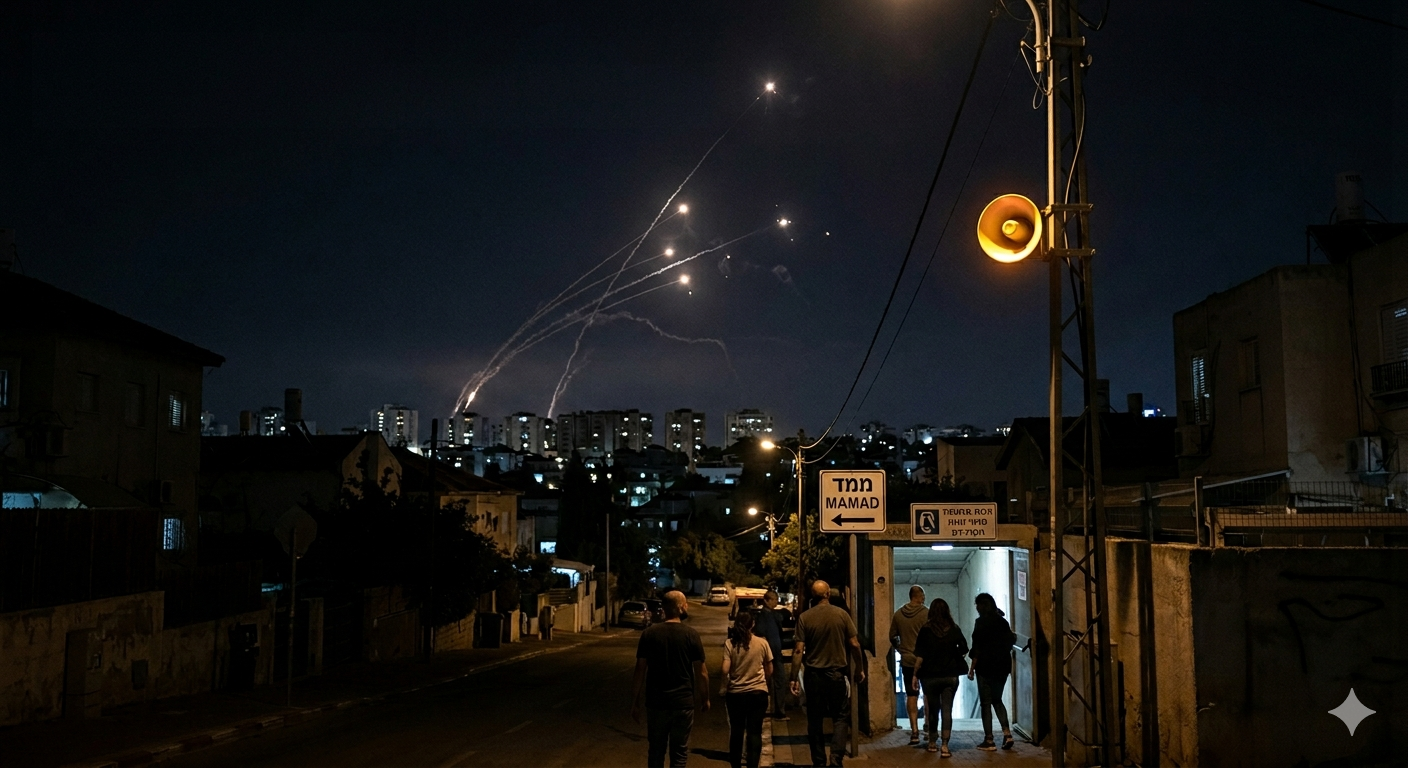
Explosions were heard across Jerusalem as Israeli air defence systems intercepted a new wave of Iranian missiles, according to the Israeli military and AFP journalists on the ground.
The renewed violence came after Israel said it had launched strikes on western and central Iran in response to Tehran firing 11 missiles toward Israeli territory on Sunday. Israeli authorities said all incoming missiles were intercepted and no casualties were reported.
Iranian local media and Israel’s military confirmed that the Mahshahr petrochemical facility in southwestern Iran was among the targets struck on Monday, intensifying concerns over attacks on critical infrastructure.
US President Donald Trump has attempted to restrain Israeli Prime Minister Benjamin Netanyahu amid mounting fears that continued retaliation could destroy ongoing diplomatic efforts with Tehran. Trump said the latest strikes would not derail US-Iran peace negotiations and stressed that Netanyahu “doesn’t call the shots.”
The US president has also reportedly pressured Israel to scale back operations in Lebanon to create space for a broader regional agreement aimed at ending the conflict with Iran.
Despite those efforts, Israel carried out strikes near Beirut on Sunday for the first time since Washington announced a truce proposal for Lebanon last week. Iran responded with a barrage of missiles targeting Israel, further placing already fragile peace talks in jeopardy.
Even as tensions surged across the region, Trump maintained that a deal to end the wider war remained “well within reach.”
The Israeli military said early Monday that it had detected incoming missile fire launched from Iran, marking the first reported direct missile attack since a fragile ceasefire between the two regional rivals came into effect in April.
According to the Israeli army, warning sirens were activated across several parts of the country after military systems identified missiles heading toward Israeli territory. Authorities did not immediately specify the number of missiles launched, potential impact sites, or whether any casualties or damage had occurred.
“A short while ago, sirens were sounded in several areas across the country, following the identification of missiles launched from Iran toward the State of Israel,” the Israeli military said in an official statement.
The reported missile launch threatens to undermine months of relative calm that followed intense regional fighting earlier this year, when both countries exchanged direct military strikes and fears of a wider Middle East war pushed the region to the brink of a broader conflict.
Security officials in Israel urged residents in affected areas to follow emergency instructions and remain close to shelters as air defense systems were activated to intercept incoming threats.
Iranian authorities had not immediately issued an official statement regarding Israel’s claims at the time of reporting. Independent verification of the missile launches and their outcomes was not immediately possible.
The development comes amid continuing regional tensions involving proxy groups, border clashes, and ongoing conflicts across multiple fronts in the Middle East. Analysts warn that any confirmed direct exchange between Iran and Israel could significantly raise concerns over wider instability across the region.
International observers and diplomatic circles have repeatedly urged restraint from both sides since the April ceasefire arrangement, which had temporarily reduced fears of further escalation.
Military analysts say the coming hours will be critical in determining whether the latest incident represents an isolated exchange or the beginning of another cycle of retaliatory strikes.
Regional governments and global powers are expected to closely monitor developments as emergency meetings and security assessments continue.
Further details regarding interceptions, casualties, damage assessments, or possible retaliatory measures are expected as official statements emerge.
The incident signals a potential breakdown of the fragile de-escalation efforts that had largely prevented direct Iran-Israel confrontation in recent months.
Renewed direct hostilities could increase security risks across the Middle East, affect global markets, and intensify diplomatic pressure for immediate restraint.
Attention now turns to whether either side escalates further or diplomatic channels succeed in containing the latest tensions.
Pakistan has consistently called for restraint in Middle East conflicts, while renewed regional instability may increase diplomatic and economic concerns for Islamabad.


