



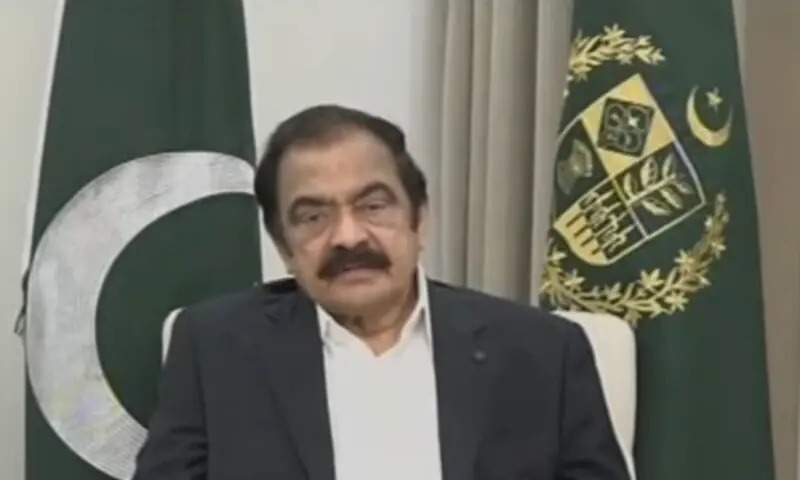
LAHORE (Web Desk) – Prime Minister’s Adviser on Political Affairs Rana Sanaullah on Friday defended the recent surge in petroleum prices, stating, “The government has nothing to do with the petrol price hike,” and attributing the increase to escalating tensions in the Middle East.
Read also:Petrol price raised to Rs458, diesal Rs530 per litre in major hike
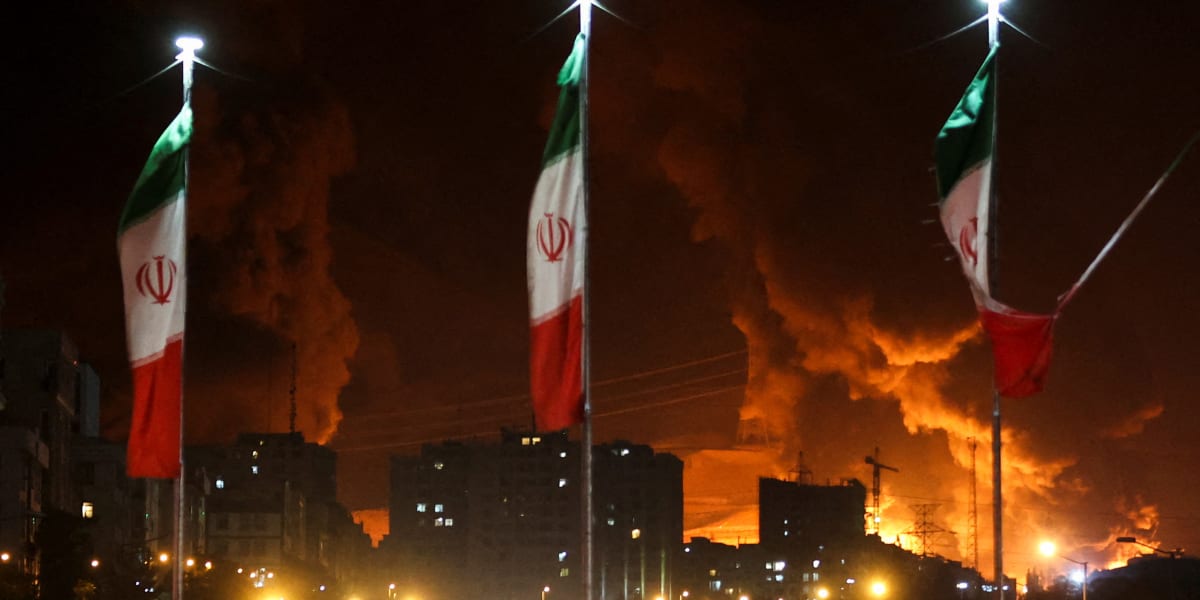
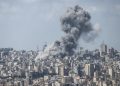
His remarks came a day after petrol and high-speed diesel (HSD) prices were raised sharply by 43 per cent and 55 per cent respectively, amid mounting global oil price pressures linked to the ongoing conflict involving the United States, Israel and Iran.
In a televised address, Sanaullah described the increase in global petroleum prices as unprecedented, stating that Pakistan had no choice but to pass on the impact. He said the government had already absorbed a financial burden of Rs129 billion over the past three weeks to shield consumers, but such measures were not sustainable in the long term.
Following consultations led by Prime Minister Shehbaz Sharif, the government opted for targeted subsidies instead of a blanket relief package. These include a Rs100 petrol subsidy for motorcyclists, Rs1,500 per acre for farmers ahead of the harvesting season, and financial assistance ranging from Rs70,000 to Rs100,000 for goods transporters.
Sanaullah said the aim was to prevent an increase in transport fares and provide relief to vulnerable segments of society. He also criticised opposition parties for, in his words, spreading propaganda and inciting public unrest, urging them instead to cooperate with the government during the crisis.
Warning of further economic strain if the conflict continues, he called for national unity and resilience, stressing that the situation could worsen over the coming months.
Meanwhile, Jamaat-e-Islami chief Hafiz Naeemur Rehman strongly condemned the price hike and warned of a nationwide protest movement if the decision is not reversed.
Addressing a public gathering in Lahore, he announced plans for mass demonstrations, including surrounding the residences of chief ministers across all four provinces and a possible countrywide strike.
Rehman accused the government of imposing excessive taxes on petroleum products, claiming that over Rs200 per litre was being collected. He termed the move exploitative and demanded an immediate reduction in fuel and electricity prices.
He further criticised the ruling elite for maintaining lavish lifestyles while ordinary citizens continue to struggle with rising inflation, alleging that global crises were being used as a pretext to burden the public.
The government has defended a steep increase in fuel prices, blaming global oil shocks caused by Middle East tensions, while announcing targeted subsidies. However, opposition parties have rejected the justification and threatened nationwide protests, intensifying political tensions.