



By Commerce Reporter
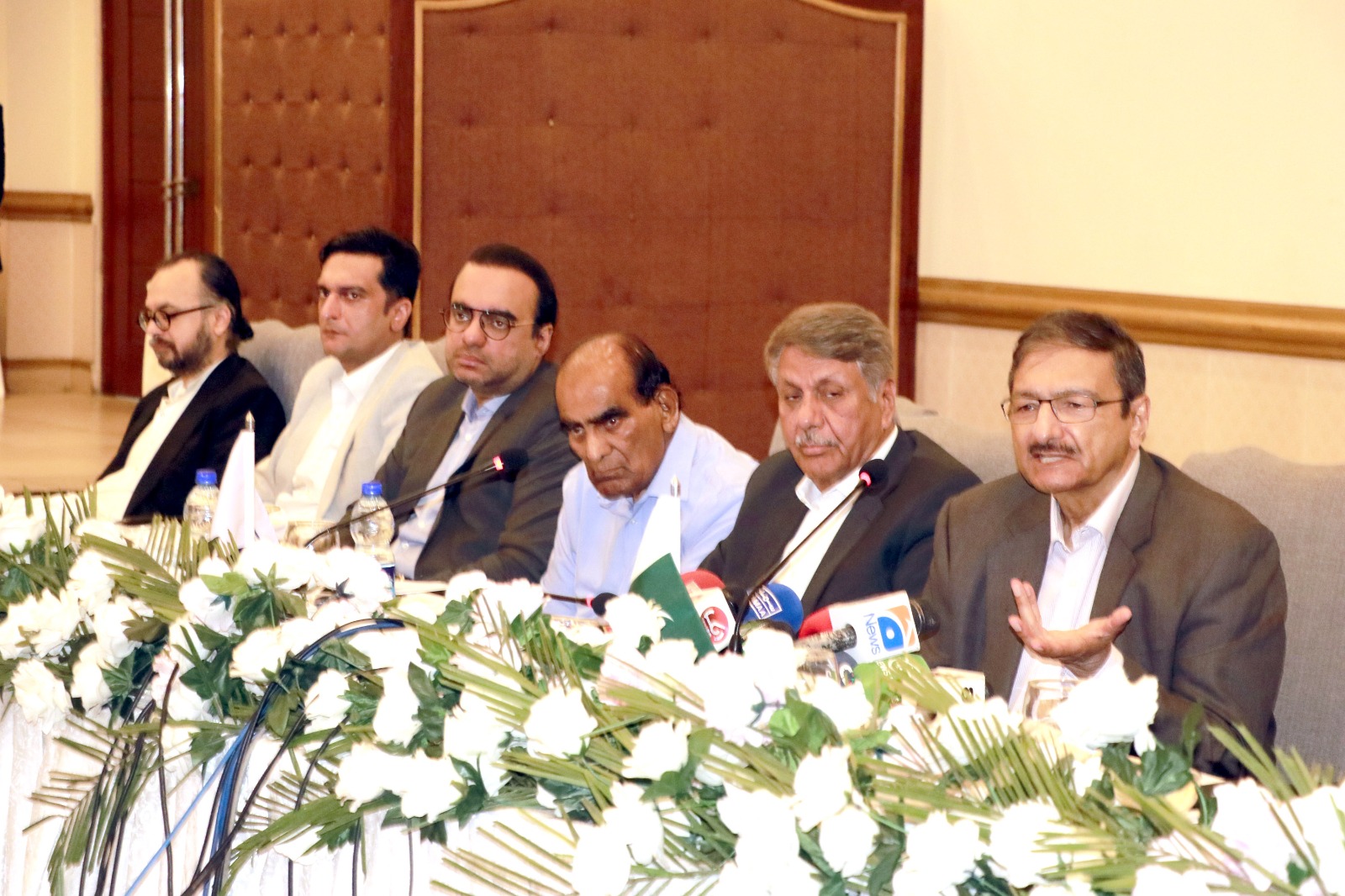
The Pakistan Sugar Mills Association (PSMA) on Monday urged the government to immediately allow export of surplus sugar and move towards full deregulation of the sector, warning that continued restrictions are causing heavy financial losses to millers despite a bumper production year. Addressing a press conference, PSMA Chairman Ch. Zaka Ashraf and other representatives said the sugar industry—Pakistan’s second largest agro-based sector after textiles—plays a critical role in the national economy, generating over Rs1,000 billion in annual economic activity across agriculture, transport, and allied industries. The sector also contributes around Rs300 billion in taxes and provides import substitution worth approximately $5 billion annually.
Read also: Punjab’ s Sugarcane Dev. Cess should be made equal to other provinces: PSMA
In a press note, industry stakeholders highlighted that the sugar sector remains one of the country’s largest agro-based industries, supporting farmers, generating employment and contributing significantly to national revenue. The sector is estimated to drive economic activity worth nearly Rs1 trillion annually.
However, the industry faces persistent challenges, particularly in the pricing and procurement of sugarcane. Stakeholders noted that government intervention, delayed payments to farmers and inconsistent policies have disrupted operations and reduced efficiency.
The statement further pointed out that only around 70 per cent of sugarcane is processed through formal industrial channels, while the remainder is diverted towards informal uses such as gur production. This imbalance, it argued, weakens the overall productivity of the sector.
The press note also emphasised the untapped potential of bagasse-based power generation, which could help ease Pakistan’s ongoing energy shortages. Additionally, it called for the adoption of ethanol blending in fuel, citing successful models in countries such as Brazil and India. Industry representatives maintained that Pakistan could significantly reduce fuel imports and enhance energy security through such measures.
According to the document, sugar production as of March 25, 2026, stands at approximately 7.1 million tonnes, with projections suggesting an increase to between 7.5 and 7.7 million tonnes. With improved policies, output could reach 8 million tonnes, potentially creating a surplus of 2 million tonnes for export.
The industry also underscored export opportunities in regional markets, including Central Asia, Afghanistan and China, while noting that rising input costs, climate challenges and logistical issues continue to impact production.
Concluding the statement, stakeholders called on the government to reduce intervention, ensure timely payments to farmers and facilitate export-oriented policies to enable the sector to realise its full potential.