



By N Ahmad
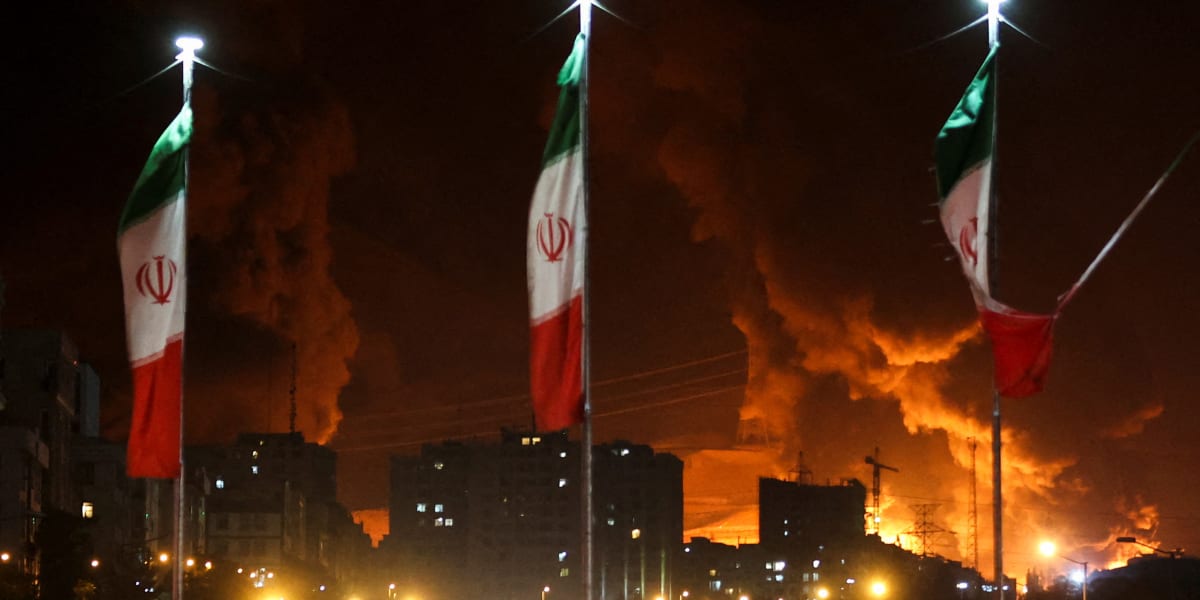
The ongoing conflict involving Iran, the United States and Israel appears to have entered a new and unpredictable phase. What initially looked like an attempt by Washington and Tel Aviv to weaken Iran’s leadership has instead evolved into a prolonged confrontation in which Tehran seems increasingly confident and resilient.
Read also: Iran warns citizens against sharing strike footage with foreign media
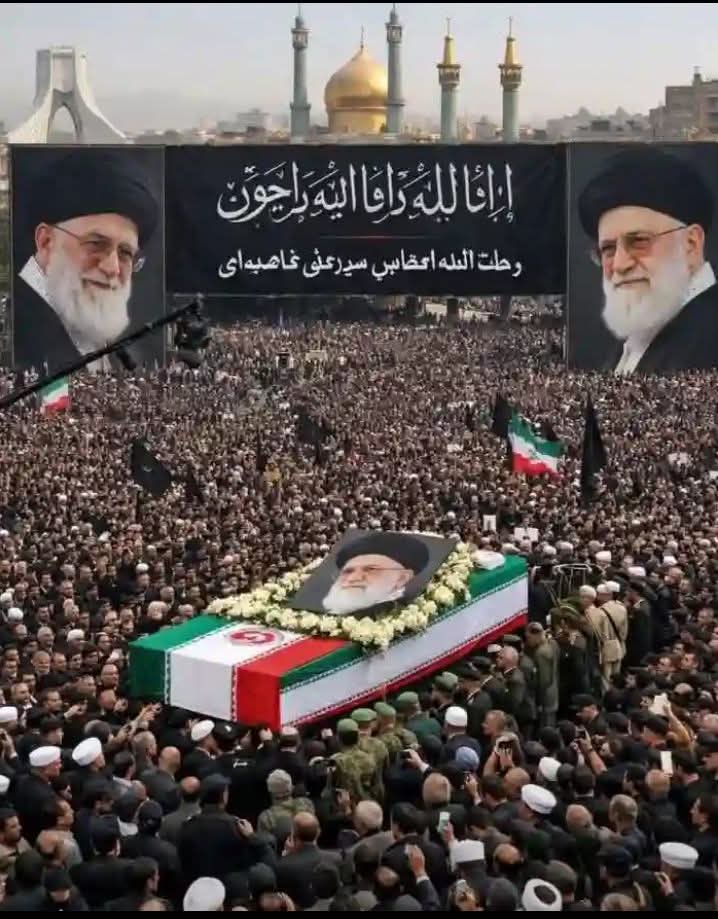
One of the most striking elements of the current situation is the tone coming from Iran’s senior leadership. Statements attributed to Iranian security leaders, including Ali Larijani, suggest that Tehran believes the United States miscalculated the consequences of its actions. According to this narrative, the assassination of Iran’s Supreme Leader Ayatollah Ali Khamenei and the earlier strikes that targeted top Iranian officials were intended to paralyze Iran’s command structure and force the country into chaos. Instead, Iran appears to have quickly reorganized its leadership and military command.
Historically, targeted assassinations and decapitation strikes have been used as tools to disrupt adversaries. The strategy assumes that removing key leaders will weaken coordination, lower morale and create confusion within the enemy ranks. However, Iran seems to have anticipated such tactics. The rapid emergence of a new command structure suggests that Tehran had contingency plans in place long before the conflict escalated.
Another factor contributing to Iran’s apparent confidence is its narrative of deception. Iranian officials argue that the United States and Israel engaged Tehran in diplomatic discussions while secretly preparing military strikes against its leadership. Whether this claim is accurate or not, it has become a powerful message within Iran and among its allies. The perception that Iran was attacked while participating in dialogue reinforces a sense of national unity and strengthens the leadership’s resolve to respond forcefully.
The current conflict also reveals an important psychological dimension. Wars are not fought only with weapons; they are also fought with strategy, patience and political messaging. Iranian leaders repeatedly emphasize that they are fighting “with the mind,” portraying themselves as calm, strategic and prepared for a long confrontation. This messaging contrasts with what they describe as a rushed and miscalculated offensive by the United States and Israel.
If Iran’s leadership has indeed secured itself against further targeted attacks, the conflict could become far more complicated for Washington and Tel Aviv. Decapitation strategies lose effectiveness once an opponent adapts. Iran’s political system, which combines religious authority with institutional governance through the Islamic Revolutionary Guard Corps and other structures, may allow it to absorb leadership losses without collapsing.
At the same time, it would be premature to conclude that Iran has achieved clear superiority. The United States and Israel still possess overwhelming military capabilities, advanced intelligence networks and significant regional influence. However, the early assumption that Iran could be quickly destabilized appears increasingly questionable.
What we may be witnessing is the beginning of a prolonged strategic contest rather than a short decisive war. Currently, Iran’s confidence, its ability to rapidly reorganize leadership and its narrative of resilience have complicated the calculations of its adversaries.
In the end, the most important lesson from the unfolding crisis may be that modern conflicts are rarely decided by a single strike or assassination. Leadership structures evolve, nations adapt and wars often become battles of endurance rather than immediate victories. Whether Iran’s confidence will translate into long-term strategic success remains uncertain, but it is clear that the conflict has not unfolded according to the expectations of those who hoped for a quick and decisive outcome.