


By Commerce Reporter
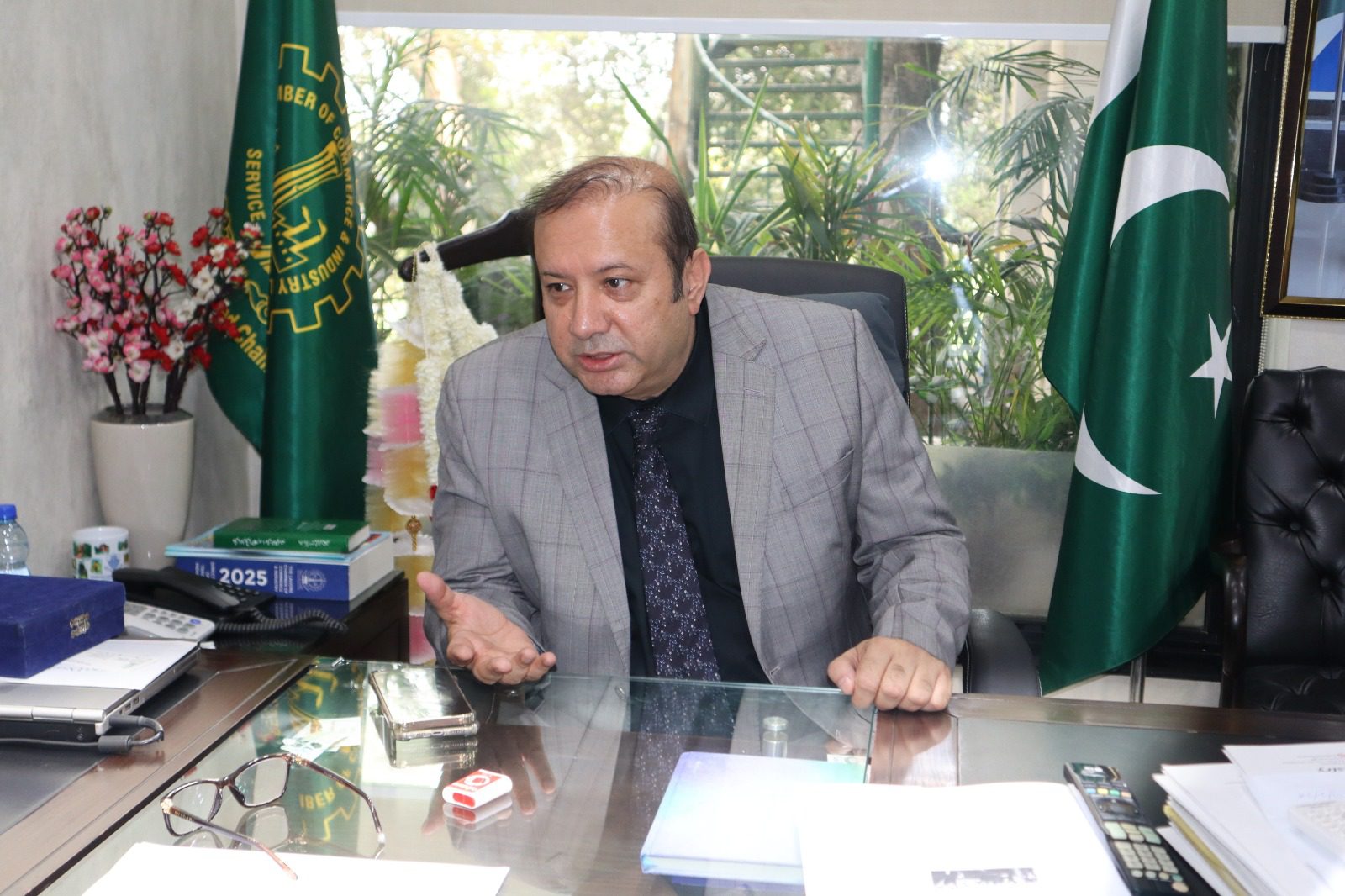
The Lahore Chamber of Commerce and Industry (LCCI) Vice President, Khurram Lodhi, shared his perspective on the challenges facing Pakistan’s industries amid high energy costs, expensive financing, and policy uncertainties. In this exclusive interview, he emphasised the urgent need for energy relief, lower interest rates, and government-industry collaboration to revive industrial growth and boost exports.
Q: Mr. Lodhi, how critical are energy costs for Pakistan’s industrial sector today?
Lodhi: “Energy costs are a decisive factor for the competitiveness of Pakistan’s industries. Currently, electricity, gas, and even solar energy prices are extremely high. Industrial gas prices in Pakistan are hovering around Rs 2,350 per MMBtu, considerably higher than regional competitors like India and Bangladesh, where gas costs are much lower. This has created mounting pressure on manufacturers. Solar energy, which could provide a more affordable and sustainable alternative, remains costly because the government has not offered any meaningful relief. Without intervention, industries continue to operate under severe cost constraints. High energy costs not only reduce profit margins but also limit working capital, impacting raw material procurement, timely payment of wages, and investment in technological upgrades.”
Q: How does this affect specific industrial sectors?
Lodhi: “Sectors such as textiles, apparel, ceramics, glass, chemicals, packaging, and engineering components are particularly affected. These are all export-oriented industries, and rising energy costs make their products uncompetitive in global markets. The situation is especially severe for SMEs, which often lack the financial reserves to absorb such high production costs. When energy prices rise, these small and medium enterprises are forced to either raise product prices—which affects competitiveness—or reduce output, which can impact employment and growth.”
Q: How do financing and interest rates play into these challenges?
Lodhi: “Expensive financing is compounding the energy issue. High interest rates, currently around 10.5 percent, have made borrowing unaffordable for businesses, particularly SMEs. These enterprises form the backbone of Pakistan’s economy, providing jobs and driving production, but they are unable to expand, modernise, or invest in technology due to these high borrowing costs. Many regional countries provide much lower rates, making them more attractive to investors. Pakistan, by contrast, is increasingly losing investment opportunities. Without a substantial reduction in interest rates, industries are forced to delay expansion plans, and capital-intensive projects may be postponed or moved abroad. This is creating a pessimistic mood in the business community.”
Q: What specific policy measures are needed to address these issues?
Lodhi: “We need immediate and coordinated action. First, energy tariffs, particularly for industrial and solar power users, need to be reduced. Solar energy is currently expensive despite its potential as a renewable resource. If the government supports cost-effective solar adoption, it could significantly reduce reliance on gas and electricity, lowering production costs. Second, the State Bank of Pakistan must consider a substantial reduction in policy rates. We recommend a cut of 150 to 200 basis points to ease financing costs for industries and SMEs. This will provide the working capital they need to operate efficiently, maintain employment, and invest in modernisation. Third, policy predictability is critical. Frequent and unpredictable hikes in gas and electricity tariffs, as well as uncertainty in tax policy, discourage long-term planning and investment. The government should adopt a long-term energy and financing strategy in consultation with the business community.”
Q: How would these measures affect exports?
Lodhi: “Reducing energy and financing costs would directly improve Pakistan’s export competitiveness. Cheaper production translates into lower unit costs, allowing our products to compete more effectively in international markets. Exporters could maintain existing orders, attract new contracts, and expand production capacity. This would help generate much-needed foreign exchange reserves, which are crucial for macroeconomic stability. Pakistan has immense export potential, but high energy and financing costs are acting as a major barrier. If these costs are reduced, existing exporters can expand, and new businesses will be encouraged to enter global markets, boosting overall industrial activity and economic growth.”
Q: What is the broader economic impact of high energy and financing costs?
Lodhi: “High costs have a multiplier effect. When industries are struggling, employment opportunities stagnate, and investors become wary. SMEs, which contribute significantly to job creation, are particularly affected. Reduced industrial activity limits government revenue and slows economic growth. Conversely, lowering energy tariffs and policy rates stimulates industrial output, increases employment, encourages investment, and restores confidence in the economy. A competitive industrial base also helps reduce the trade deficit, strengthens participation in regional and global value chains, and attracts foreign direct investment. In short, easing these constraints is not merely an industrial demand—it is an economic necessity.”
Q: How does the government’s relief package fit into this picture?
Lodhi: “The recent relief measures, such as the reduction in Export Refinance Rate and modest cuts in industrial electricity tariffs, are welcome steps. They provide some short-term relief and support exporters in maintaining operations. However, these measures alone are insufficient to address structural challenges. Energy costs remain high, and financing is still expensive for most businesses. Without more comprehensive and sustainable measures, the long-term competitiveness of Pakistani industry remains at risk. The government’s efforts are appreciated, but industry needs more robust policy support, especially in terms of energy and interest rates, to drive sustained growth and exports.”
Q: How important is government-business consultation in policy-making?
Lodhi: “Collaboration with the private sector is essential. Policies developed without consultation often fail to address practical challenges and can create unintended burdens. The business community has valuable insights into cost structures, competitiveness, and operational constraints. Engaging industry stakeholders ensures that policies are realistic, supportive, and growth-oriented. For example, energy pricing, tax reforms, and financing mechanisms must reflect industry realities. When the government consults with businesses, policies become more transparent, predictable, and effective, ultimately fostering sustainable economic development.”
Q: What role does technology play in addressing these challenges?
Lodhi: “Technology, particularly AI and digitalisation, can significantly improve efficiency and reduce costs. Adoption of modern technology in supply chains, manufacturing, and financial operations helps businesses optimise production, improve decision-making, and compete globally. Renewable energy technology, such as solar and wind systems, can reduce reliance on expensive gas and electricity. The private sector is ready to adopt these solutions, but it needs supportive policies, incentives, and training programs to fully integrate technology and realise its benefits.”
Q: Finally, what is your message to policymakers?
Lodhi: “The time for decisive action is now. Reducing energy costs, lowering interest rates, and ensuring predictable policy frameworks are critical for industrial growth, export expansion, and macroeconomic stability. Without these measures, industries will continue to face cost pressures, competitiveness will decline, and economic growth will remain fragile. The business community is committed to supporting government initiatives, but we require a stable and enabling environment. By acting promptly, the government can unleash Pakistan’s industrial potential, attract investment, boost exports, and create sustainable economic growth.”
Conclusion: Khurram Lodhi’s comments reflect a deep concern among Pakistan’s industrial and business community over rising energy and financing costs. Without immediate policy interventions, the competitiveness of domestic industries and Pakistan’s export potential may be significantly compromised. Relief in energy tariffs, lower policy rates, and a supportive regulatory framework are essential for fostering industrial growth, protecting SMEs, and driving long-term economic development.