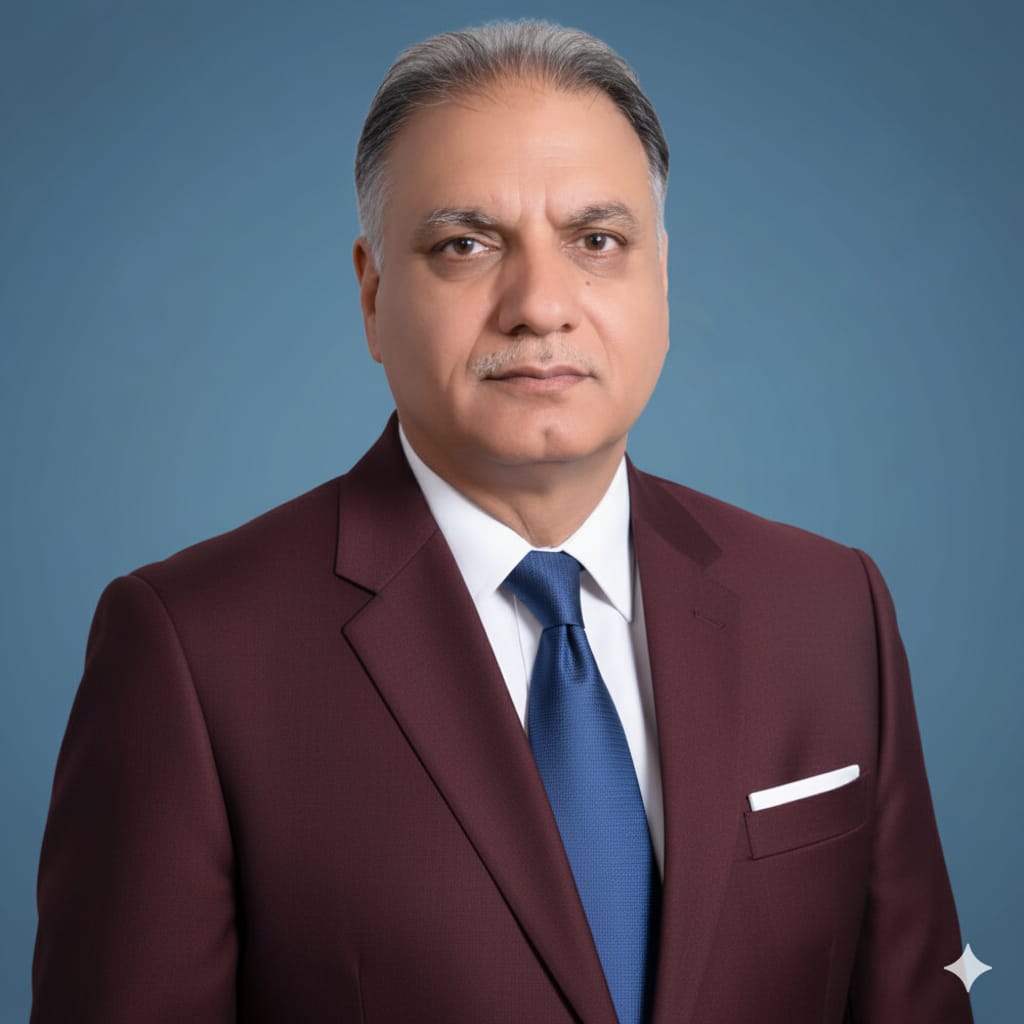



Dr. Alamdar Hussain Malik
Pakistan today faces not only security challenges but also a profound test of economic endurance and political judgment. Inflation is eroding household incomes, heavy debt servicing has strained public resources, unemployment is rising, and economic growth remains weak. In such circumstances, framing national challenges continuously as a “war” requires serious scrutiny. The war narrative is not merely a political slogan; it imposes significant financial, social, and governance burdens that a fragile economy can scarcely bear. This narrative often pushes governments toward emergency measures, extraordinary budgetary allocations, and short-term fixes while long-term reforms and public welfare programs remain neglected. The real question is no longer whether Pakistan faces threats, but whether its fragile economy can bear the political weight of a war narrative without triggering further instability, discouraging investment, and undermining public confidence. If Pakistan aims to stabilize its economy, the time has come to critically examine the war rhetoric and prioritize development and economic revival.
Read also: Economic and institutional aftershocks of PIA privatization
For decades, Pakistan has been portrayed as a nation “at war” — against terrorism, extremism, militancy, or internal disorder. These challenges are real and cannot be dismissed, yet the persistent framing of the country as a war-torn state has come at a high political and economic cost. The concept of “war” implies extraordinary circumstances, leading to extraordinary spending, emergency-style governance, and the prioritization of security over development. Over time, this mindset has narrowed policy options and reduced the resources available for economic recovery.
Economic indicators paint a sobering picture. Chronic fiscal deficits, rising public debt, heavy debt servicing obligations, a weak tax base, and declining foreign exchange reserves have undermined macroeconomic stability.
Inflation has weakened purchasing power, while unemployment and underemployment continue to strain social cohesion. Maintaining a war-oriented budgetary and governance framework under such conditions has become increasingly unsustainable. Prolonged security expenditures limit investment in education, healthcare, infrastructure, and productivity-enhancing reforms — the very foundations of national strength
.
The indirect economic consequences of a war narrative are equally severe. Persistent instability elevates Pakistan’s risk profile internationally, discouraging foreign investment and long-term partnerships. Investors, lenders, and development partners seek stability and predictability; a country perceived to be in permanent crisis struggles to attract capital, technology, and market access. Tourism, trade, and export diversification also suffer when the national narrative is dominated by insecurity rather than opportunity.
Domestically, war rhetoric has often been used to centralize authority, weaken democratic accountability, and delay structural reforms. Economic mismanagement, governance failures, and institutional weaknesses are frequently overshadowed by security narratives. When politics operates in a permanent crisis mode, public debate narrows, dissent is viewed with suspicion, and reform agendas lose urgency. This dynamic creates a vicious cycle in which economic fragility fuels instability, which in turn justifies continued emergency politics.
National security cannot be separated from economic security. Poverty, inequality, food insecurity, climate vulnerabilities, energy shortages, and rapid population growth pose threats as serious as traditional security challenges. A weakened economy limits the state’s ability to respond effectively to any crisis. True national strength lies not only in military capability but in economic vitality, public trust, and functional institutions. Without economic stability, even the strongest security frameworks cannot be sustained.
Pakistan today stands at a critical crossroads. It can either continue with war-driven politics and short-term crisis management, or it can recalibrate its national narrative toward economic revival, institutional reform, and inclusive governance.
This does not mean ignoring security threats but addressing them within a broader developmental framework where sustainable stability is rooted in economic growth.
In conclusion, Pakistan can no longer bear the political weight of war rhetoric while its economy remains under severe strain. A shift in national discourse is urgently needed — one that prioritizes economic recovery, strengthens democratic institutions, and restores confidence at home and abroad. Without moving beyond the perpetual conflict framing, Pakistan cannot break the cycle of insecurity and underdevelopment nor achieve sustainable stability and prosperity.