By Rana Farooq Ashraf
In Pakistan’s politics, leadership is not defined merely by electoral wins but by the ability to build, sustain, and energize party structures. Real leadership strengthens organizations from the grassroots, empowers committed workers, and ensures long-term relevance. Bibi Faryal Talpur has demonstrated this capacity in Sindh and, more decisively, in Azad Jammu and Kashmir. Punjab now urgently requires the same organizational discipline and political clarity.
Read also: Benazir Bhutto: The martyr who refused to let democracy die
Despite its political weight, Punjab remains the Pakistan Peoples Party’s weakest province. The problem is not the absence of workers or political space, but prolonged organizational stagnation. Central Punjab, in particular, has been reduced to paperwork and symbolic activity. When Chairman Bilawal Bhutto Zardari visits Punjab, the provincial leadership appears active for a short while; however, in practical politics, Punjab’s leadership shows little genuine interest in organizational affairs. Party positions and responsibilities are frequently assigned on the basis of personal preferences rather than merit, grassroots strength, or regional influence.
The result is predictable. Dedicated workers—those who stood by the party during its most difficult years—remain sidelined. Their experience, credibility, and political networks are ignored, creating frustration and detachment at the ground level. Without decisive intervention, this disconnect will continue to weaken the party in the country’s most electorally significant province.
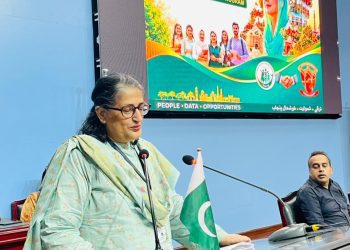
Bibi Faryal Talpur’s political strength lies not in rhetoric, but in organization. In Sindh, she helped consolidate party structures and maintain continuity during periods of intense political pressure. In Azad Jammu and Kashmir, the Pakistan Peoples Party achieved a decisive political position that enabled it to form government. This outcome was not accidental; it was the result of sustained political engagement, careful negotiations, and coalition-building led by Talpur alongside her trusted associate Chaudhry Riaz of Faisalabad.
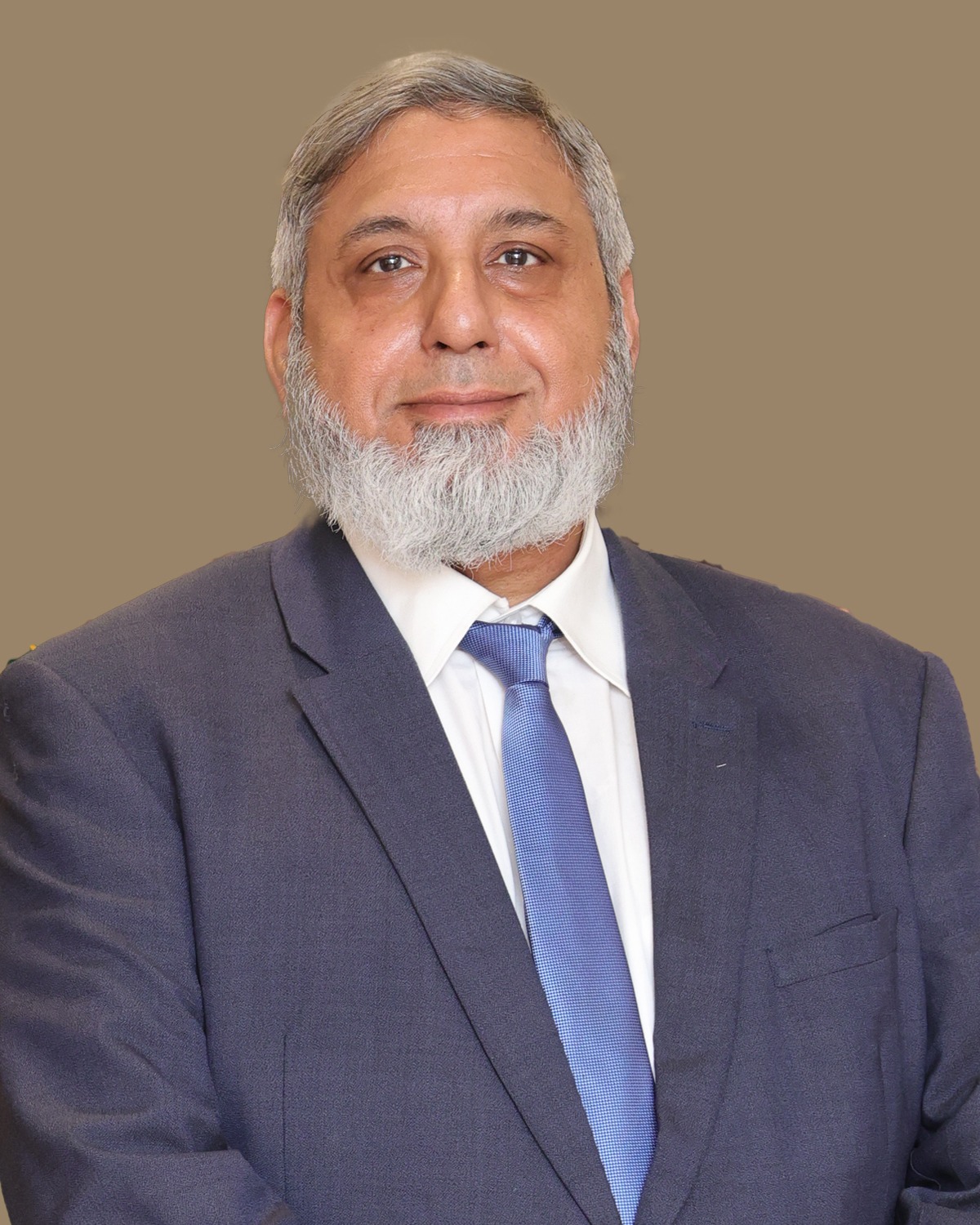
Chaudhry Riaz played a meaningful role in mobilizing political support in Kashmir and brings with him a deep understanding of Punjab’s political realities. His direct links with PPP workers, regional leaders, and politically influential figures across Punjab give him practical leverage that the current provincial setup lacks. Together, Talpur and Riaz represent a combination of strategic leadership and grassroots connectivity that Punjab’s PPP desperately needs.
Punjab today is watching and waiting. Many political figures and long-standing party workers remain hesitant to fully commit themselves because they do not trust the existing Punjab leadership to secure their political future. This reluctance reflects a widening credibility gap—one that cannot be addressed through cosmetic changes or temporary displays of activity.
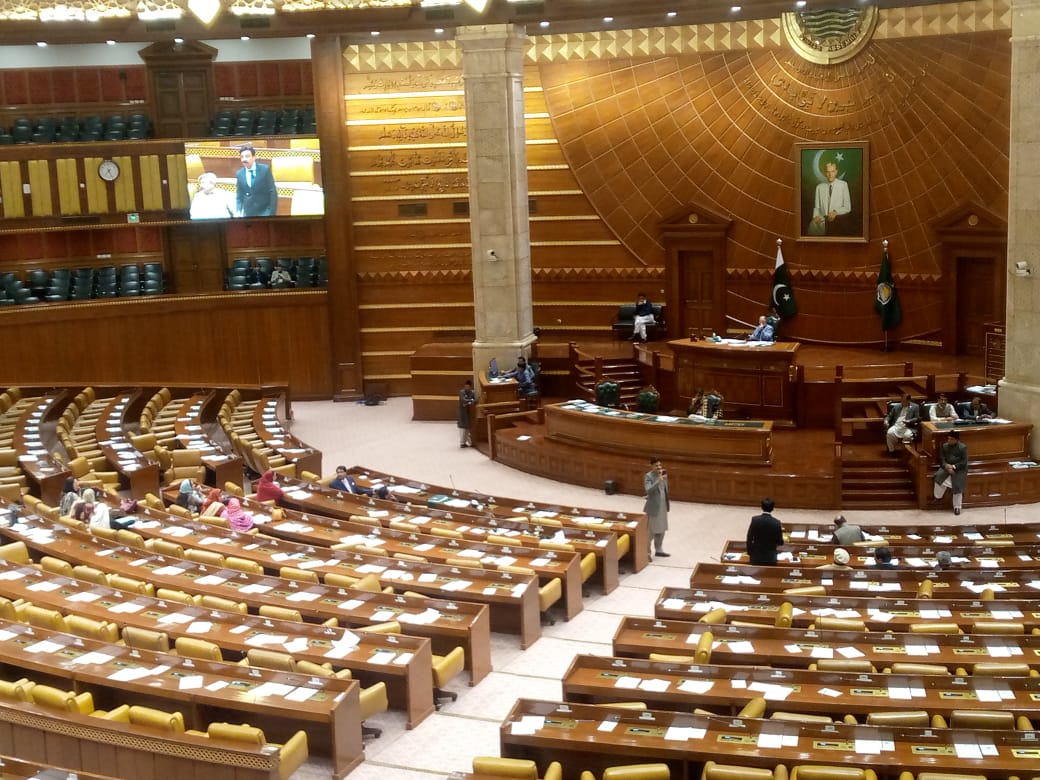
If Chairman Bilawal Bhutto Zardari and Asif Ali Zardari assign the organizational task of Punjab to Bibi Faryal Talpur and Chaudhry Riaz, it could mark a decisive turning point. Punjab holds the largest number of National and Provincial Assembly seats, and without a strong organizational base here, no national political strategy can succeed.
The Pakistan Peoples Party does not need symbolic restructuring in Punjab. It needs real organization, disciplined leadership, and practical politics. Bibi Faryal Talpur has already proven her capacity to deliver these outcomes elsewhere. The question is no longer whether Punjab needs organizational reform—the question is whether the party is prepared to act before the opportunity slips away.