


By Our Correspondent
LAHORE, November 17 — As much as 60 percent of Pakistan’s total tax revenue comes from a single sector, the large-scale manufacturing sector.
This highlights the imbalance in the country’s tax system. The burden on this single sector is four times higher than on the rest of the economy, leaving it struggling to breathe. As a result, the manufacturing sector is moving in the negative rather than showing growth each year.
Read also:
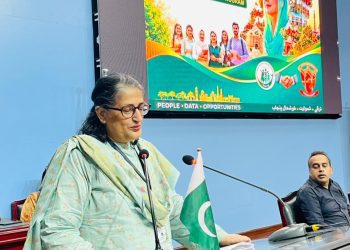
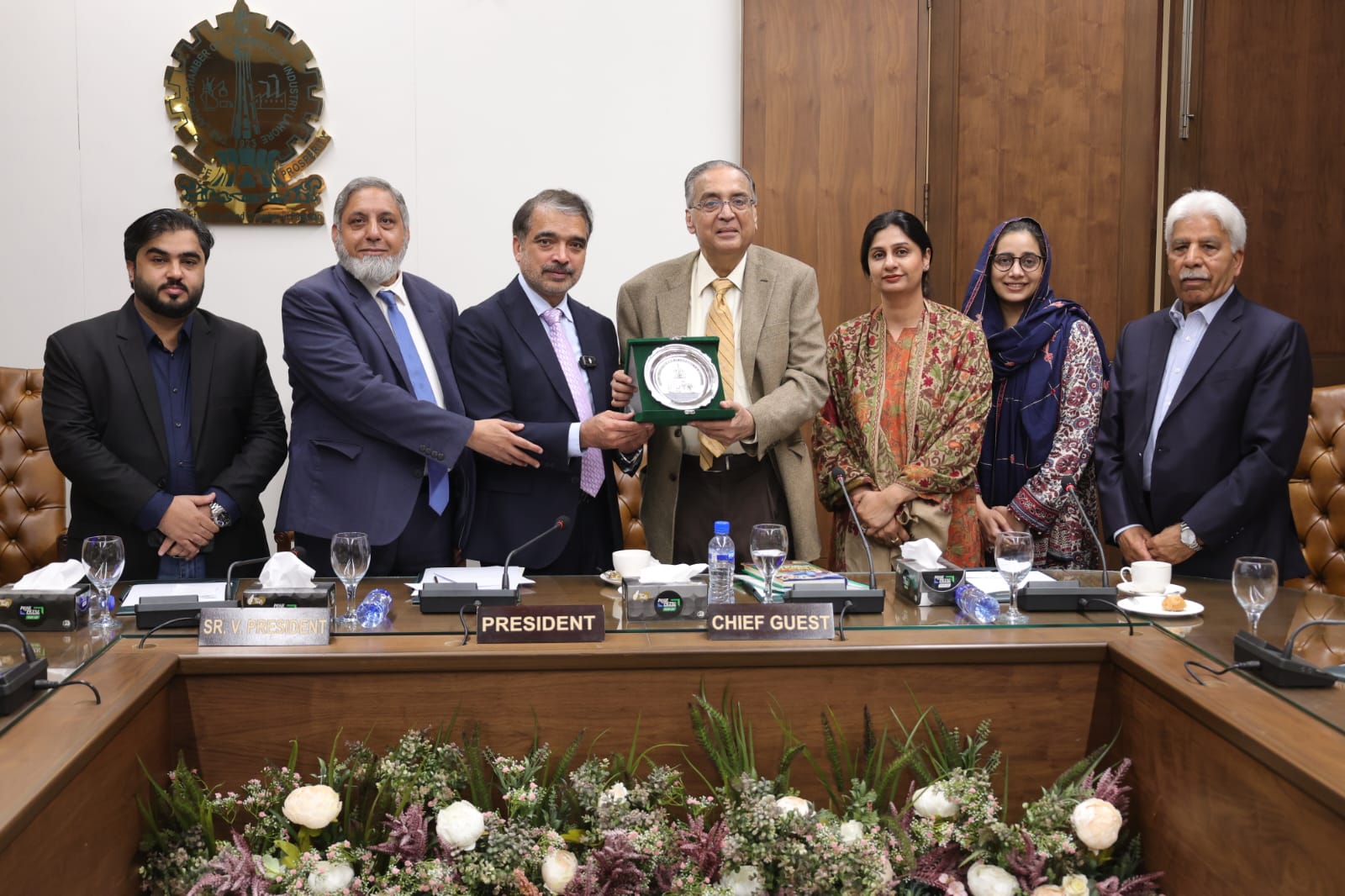
This was stated by former Federal Finance Minister Dr. Hafiz A. Pasha during a speech at the Lahore Chamber of Commerce. LCCI President Faheem ur Rehman Saigol, Senior Vice President Tanveer Ahmed Sheikh, Vice President Khurram Lodhi, EC member Firdous Nasar, former EC member Mian Muhammad Nawaz, and others were also present on the occasion.
Dr. Pasha noted that Pakistan has several sectors with high income potential, such as agriculture, yet the tax revenue from these sectors remains minimal. Only one percent of landowners possess 22 percent of the best agricultural land, but the revenue collected from the agriculture sector is negligible. Following IMF directives, the government has estimated just PKR 4 billion in tax collection from the agriculture sector next year — extremely low compared to PKR 4,500 billion collected from the manufacturing sector.
He added that investment in Pakistan has sharply declined. Today, investment in the large-scale manufacturing sector is much lower than it was 25 years ago. The biggest concern is that the depreciating capital stock is not being replenished, which hampers the sustainable growth of the manufacturing sector.
LCCI President Faheem ur Rehman Saigol said that Pakistan has not properly utilized its economic potential. The challenges the country faces today are not caused by external factors but by poor policies and governance. He noted that while China and India followed the economic model of the 1960s and achieved growth, Pakistan fell behind. Over the past four months, the country’s trade deficit crossed USD 10 billion.
LCCI President further highlighted that Pakistan has yet to establish a single SME zone, while developed countries have relied on SMEs as the backbone of their growth. Every year, millions of young graduates enter the market but remain unemployed. Providing them with skills and sending them abroad could significantly increase remittances.
Dr. Pasha also emphasized that the export sector and large-scale manufacturing are the backbone of Pakistan’s economy, whereas real estate — a non-productive sector — continues to attract the highest investment. He added that revenue collection from property is just 0.2 percent, twelve times lower than that from the industrial sector.
He warned that Pakistan currently has 2.1 million unemployed youth, 2.6 million children out of school, and 22 percent of the workforce without employment — the highest unemployment rate in the country’s history. Additionally, only six percent of bank credit is available for 3 million small units, while the 80 percent is provided to the government by banks.