


By Muhammad Mohsin Iqbal
In the chronicles of antiquity, wrestling was not merely a contest of strength but a disciplined art, governed by rules that were honoured as sacred law. Its tournaments were conducted with splendour and ceremony; the arena was a place where courage met character. The defeated wrestler would concede with dignity, acknowledging the superior skill of his opponent, while the victor celebrated not with arrogance but in accordance with time-honoured tradition. It was a spectacle of rivalry, yet also of restraint. Honour defined its spirit, and the contest ended when one party admitted defeat with grace.
Read also: Power struggle in Afghanistan and India’s expanding role
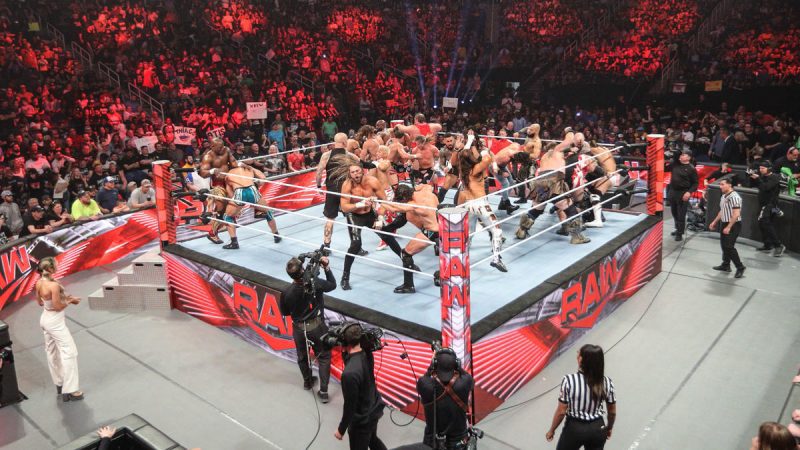
With the passage of time, however, this noble sport declined into a spectacle of unrestrained theatrics. What was once governed by principle descended into what is now called freestyle wrestling. As defeat loomed, stratagems alien to the sport’s ethos were shamelessly employed. A manager, coach, or confederate would intrude into the arena, striking the one who stood on the brink of triumph, sometimes with a chair or an iron object, transforming certain victory into orchestrated defeat. The audience was left to cheer a manufactured outcome while the essence of fair competition lay bruised upon the canvas. The rules became pliable; spectacle replaced sport; power supplanted principle.
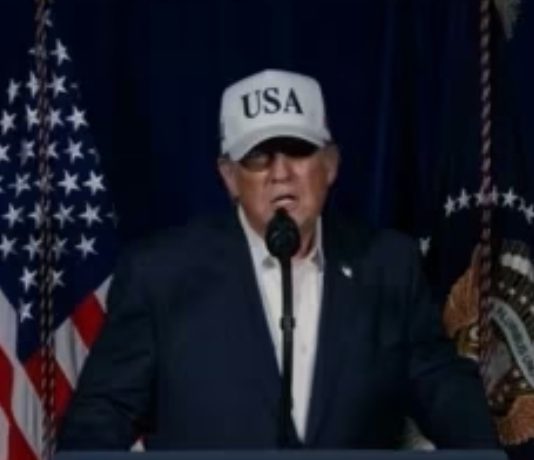
In 2007, television screens displayed such scenes involving the billionaire and wrestling enthusiast Donald Trump, who appeared as a manager in the ring, relishing the drama of interference and reversal. At the time, it seemed little more than theatrical entertainment. Yet history often blurs the line between spectacle and statecraft. Time turned, and the same figure ascended to the presidency of the United States. Analysts have since observed that he appeared to regard politics and power as another arena—one in which surprise manoeuvres, public theatrics, and the art of domination overshadowed quiet diplomacy.
In pursuit of the Nobel Peace Prize, claims were made of having halted wars and brokered historic reconciliations. When such aspirations faltered or recognition did not materialise, the posture seemed to harden. Economic sanctions became instruments of coercion; tariffs were deployed as political signals; alliances were weighed against transactional gain. Sovereignty, in this climate, appeared negotiable. When a government resisted alignment, pressure intensified.
In some cases, leaders were removed under dramatic circumstances, extracted from their seats of authority. Some were even taken from their homes without any hesitation. Where persuasion failed, the language of regime change emerged; where compliance was not forthcoming, the rumble of military intervention followed. Strategic regions rich in energy resources became arenas in which dominance was asserted and redrawn.
The recent attack on Iran has been cited by many observers as a striking illustration of this doctrine. Simultaneously, the re-emergence of Reza Pahlavi, son of the late Shah, in political discourse has revived speculation about designs for regime transformation. Such developments evoke uneasy memories of interventions past, where the stated objectives of stability and security masked deeper strategic calculations. Oil routes, maritime chokepoints, and geopolitical alignments form the invisible architecture of these confrontations. It is widely assumed that before hostilities commenced, precautionary measures were taken to evacuate essential personnel and assets. Yet the flames of retaliation burn not in distant corridors of power but in the lands where ordinary people dwell.
Beyond Iran, the strategic chessboard extends across South Asia. In Pakistan, concerns have arisen that shifting alignments among Israel and India—highlighted during the visit of the Indian Prime Minister to Israel. Through the unsettled corridors of Afghanistan, new pressures and proxy rivalries threaten to complicate an already fragile landscape. Some analysts argue that understandings reached in diplomatic meetings have signalled broader strategic cooperation, with implications not only for Iran but also for Pakistan’s security environment. Under this grand strategic contest—this modern “Great Game”—the air of the region has grown heavy with suspicion, and the scent of gunpowder lingers ominously.
The Gulf has become a theatre of escalating retaliation. American military installations across its littoral states now stand as potential flashpoints. As Iran responds by targeting these bases, the danger of a wider conflagration intensifies. A direct clash between Iran and those Gulf states hosting foreign bases could transform a calculated strike into a regional inferno. In such a scenario, Muslim nations risk finding themselves drawn into fratricidal conflict, their cities reduced to battlegrounds, their youth sacrificed to a contest shaped by ambitions beyond their own making. Muslims would be pitted against Muslims, while the architects of confrontation watch from afar.
History offers sobering precedents. Iraq was once accused of harbouring weapons of mass destruction. A devastating war ensued, dismantling state institutions and fracturing society. In the aftermath, the world was informed that the alleged arsenal did not exist. The scars of that intervention remain visible to this day. Iran now confronts accusations and hostilities that echo that earlier narrative, raising the haunting question of whether lessons have truly been learned—or whether the script is merely being revised for a new stage.
The tragedy of our era lies in the transformation of international relations into a degraded wrestling ring—where interference replaces fair contest, economic pressure substitutes for dialogue, and theatrical gestures overshadow genuine statesmanship. Powerful nations often behave as though the globe were an arena in which dominance must be publicly displayed. If this trajectory persists, every state, regardless of size, may one day find itself dragged into the vortex, unable to escape the consequences of a contest it never sought.
Muslim countries, bound by shared history and faith, face a moment of profound introspection. Division renders them vulnerable to manipulation; unity could provide resilience. Awakening does not necessitate hostility toward others but demands clarity of vision, strategic prudence, and solidarity in safeguarding sovereignty. They must resist becoming instruments in contests that do not serve their peoples’ welfare.
The world stands at a crossroads. It may continue along the path where might is mistaken for right and politics becomes performance, or it may rediscover the older ethic of honourable contest—where restraint tempers ambition and justice anchors power. Let the earth not be reduced to a wrestling arena in which surprise blows determine destiny and regime change becomes a recurring spectacle. Let it instead become a cradle of peace, where nations compete in progress rather than destruction, and where victory is measured not by conquest but by concord. For in the final reckoning, dominance achieved through coercion fades, but the yearning for peace endures in every human heart.