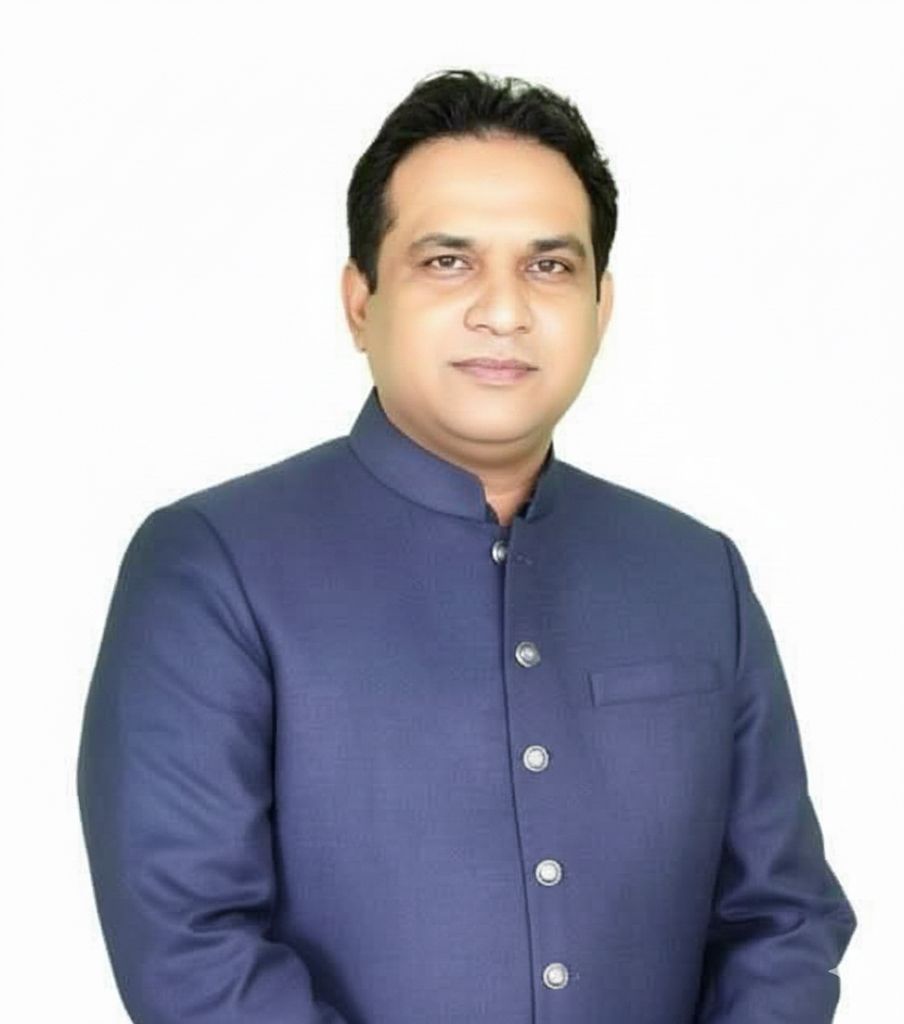



By Rana Farooq Ashraf
Pakistan today is not only confronting economic pressures and regional challenges; it is also facing a sustained and dangerous form of digital warfare. This battle is not being fought on conventional fronts but across YouTube channels, social media platforms, and online narratives that aim to weaken public trust in the state. In this evolving information battlefield, certain individuals—operating as self-styled journalists, anchors, or political commentators—have crossed the line between legitimate criticism and systematic vilification of Pakistan and its state institutions.
Read also: Bilawal Bhutto Zardari: Steering Pakistan back to global relevance
Freedom of expression is a cornerstone of democracy, and no state can or should silence dissenting voices merely for criticism. However, when criticism transforms into persistent misinformation, unverified allegations, and targeted campaigns against constitutional institutions, it ceases to be journalism and begins to resemble an orchestrated effort to destabilize the state.
Over the past few years, Pakistani investigative agencies, regulatory authorities, and courts have taken notice of this growing trend. Several high-profile YouTubers and commentators—including Imran Riaz Khan, Shahbaz Gill, Sabir Shakir, Siddique Jan, Asad Ali Toor, and others—have faced legal scrutiny, notices, inquiries, or court proceedings under existing laws such as the Pakistan Electronic Crimes Act (PECA) and relevant provisions of the Pakistan Penal Code. These actions were not based on political disagreement alone but on documented concerns related to anti-state rhetoric, incitement, and dissemination of misleading content.
Court records and regulatory filings indicate that some of this content involved unsubstantiated claims against the armed forces, intelligence agencies, and constitutional offices—often presented without evidence, context, or right of reply. In several cases, courts authorized regulatory bodies to restrict or block specific digital platforms after determining that the material posed risks to public order, national security, or institutional credibility.
A troubling aspect of this phenomenon is its target audience. Much of this content is designed to emotionally influence overseas Pakistanis, who may lack immediate access to on-ground realities and are therefore more vulnerable to sensational narratives. By portraying Pakistan as a collapsing or lawless state, these digital campaigns risk alienating a community that plays a vital role in the country’s economy, diplomacy, and global image.
It is important to state clearly: criticism of state policies is not treason, and questioning authority is a democratic right. However, deliberately spreading half-truths, exaggerations, or conspiracy-driven narratives—especially when repeated systematically—can erode national cohesion. States across the world, including advanced democracies, regulate digital content when it crosses into disinformation, hate speech, or incitement. Pakistan’s response must be viewed in this broader global context.
Equally important is the responsibility of the state itself. Transparency, timely communication, and institutional accountability remain essential. Silence creates vacuums that misinformation readily fills. The stronger and clearer the state’s engagement with its citizens, the weaker false narratives become.
For the Pakistani public, particularly the youth who consume most of their news online, this moment calls for digital maturity. Not every viral video is a fact. Not every “exclusive revelation” is journalism. Citizens must ask basic questions:
Who is the source?
What evidence is presented?
Is the narrative balanced, or does it rely on anger and fear?
Digital platforms offer powerful tools for awareness—but they also demand responsibility from users.
Overseas Pakistanis, in particular, carry a dual responsibility. As informal ambassadors of Pakistan, their perceptions shape international opinion. Constructive engagement, informed critique, and emotional connection with the homeland strengthen Pakistan’s global standing. Amplifying unverified or hostile narratives, however, only serves those who benefit from instability.
Accountability, too, must follow due process. Regulatory bodies, courts, and investigative agencies should continue to act within the law, ensuring that enforcement is fair, transparent, and free from political victimization. The objective should not be silencing voices, but protecting truth, national cohesion, and constitutional order.
Pakistan’s institutions—especially its armed forces—have made immense sacrifices in safeguarding the nation. Criticism of policies is legitimate; character assassination of institutions without evidence is not. No country can progress if its foundational pillars are continuously undermined by reckless narratives driven by personal fame, monetization, or external agendas.
Ultimately, Pakistan is larger than any individual, any channel, or any political cycle. It is a shared national trust built on resilience, sacrifice, and collective responsibility. In an era where information travels faster than truth, defending Pakistan requires wisdom, patience, and unity.
Truth does not fear scrutiny—but falsehood must be confronted.
The future of Pakistan depends not only on its leaders and institutions, but also on its citizens’ ability to distinguish criticism from chaos, dissent from deception, and journalism from agenda-driven propaganda.