


WASHINGTON (Web Desk) – The United States is facing growing concerns over disruptions in intelligence sharing between federal agencies and Congress during President Donald Trump’s second administration, with current and former officials warning that reduced coordination could leave policymakers without a complete assessment of national security threats.
The disruptions reportedly involve intelligence concerning Iran, international security developments and other potential threats. According to people familiar with the situation, the flow of intelligence reports has slowed and, in certain instances, temporarily stopped.
The situation has raised concerns about the effectiveness of America’s intelligence coordination system, particularly at a time when the administration is considering its next steps regarding the possibility of renewed military action against Iran following the November 3 midterm elections.
Eight current and former officials and individuals briefed on the matter have described difficulties affecting intelligence cooperation across government institutions.
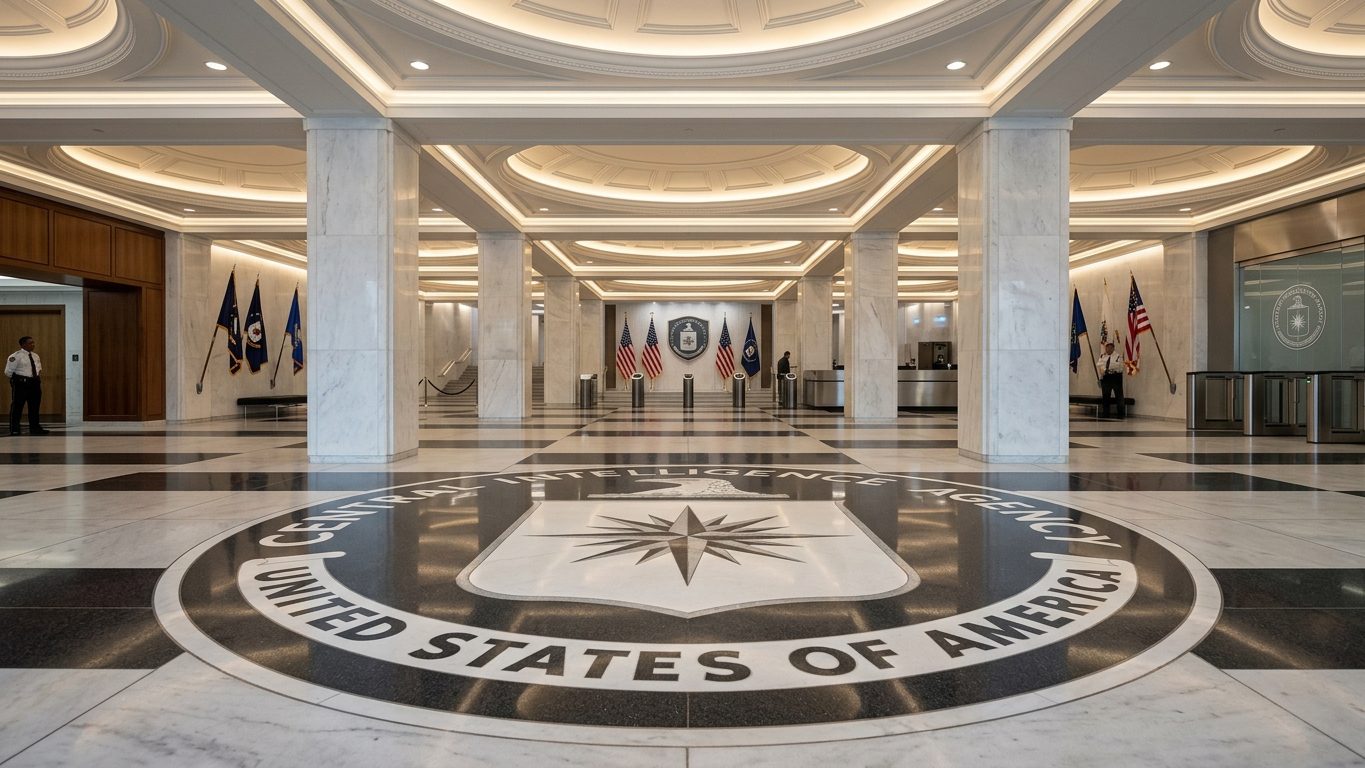
CIA and intelligence director’s office face coordination problems
The difficulties reportedly developed during the tenure of former Director of National Intelligence Tulsi Gabbard, amid disagreements between the Central Intelligence Agency (CIA) and the Office of the Director of National Intelligence (ODNI).
One significant development involved the CIA’s decision to stop jointly preparing certain intelligence assessments with the National Intelligence Council (NIC), an analytical body operating within the ODNI.
The council traditionally brings together information and assessments from America’s 18 intelligence agencies to provide policymakers with a comprehensive understanding of international developments.
Its reports cover important national security issues, including Iran, Russia and other geopolitical challenges.
However, the CIA’s reduced participation in jointly authored assessments reportedly affected the council’s ability to produce comprehensive reports.
Five current and former officials familiar with the matter said the council had not produced assessments specifically focused on the Iran war during the period under discussion.
The CIA has maintained that it continues to participate fully in intelligence assessment processes, including the Presidential Daily Brief and work conducted through the National Intelligence Council. <Cite refs={[“turn674165news32″,”turn674165search7”]}/>
Congressional intelligence briefings temporarily halted
Another concern involves interruptions in intelligence briefings provided to members of Congress and their staff.
According to individuals familiar with the matter, lawmakers temporarily stopped receiving certain intelligence reports from Gabbard’s office following the US military intervention in Iran in June 2025.
A similar disruption reportedly occurred following the capture of former Venezuelan president Nicolás Maduro in January 2026.
Gabbard’s office had reportedly raised concerns about information being leaked to the media by members of Congress.
The interruptions created difficulties for lawmakers seeking information about international security developments and the administration’s intelligence assessments.
The office also reportedly suspended congressional briefings on election-related threats during 2025.
However, the situation has changed following the appointment of Jay Clayton as Director of National Intelligence in August 2026. Officials say congressional briefings concerning election threats have since resumed. <Cite refs={[“turn674165search1″,”turn674165search3”]}/>
Political pressure raises concerns among intelligence analysts
Former intelligence officials have also expressed concern that political pressure could affect the independence of government analysts.
Some officials reportedly fear that intelligence assessments contradicting the administration’s positions could expose analysts to professional consequences.
Such concerns have raised questions about whether intelligence professionals can independently present findings that challenge existing government policies.
Former intelligence officials have warned that national security decisions require assessments based on available evidence rather than political considerations.
The situation has revived comparisons with intelligence coordination failures preceding the September 11, 2001 terrorist attacks, when weaknesses in information sharing between different agencies became a major issue.
Former Deputy Director of National Intelligence Beth Sanner has warned that policymakers need more comprehensive and integrated intelligence assessments to understand increasingly complicated international threats.
FBI and counterterrorism agency experience separate dispute
The difficulties have reportedly extended beyond the relationship between the CIA and ODNI.
Former officials said the Federal Bureau of Investigation (FBI) temporarily stopped sharing certain intelligence with the National Counterterrorism Center for several weeks following disagreements over an investigation into the shooting of Turning Point USA founder Charlie Kirk.
The dispute reportedly developed after the centre’s then-director Joe Kent and his staff attempted to investigate the incident.
FBI leadership believed the counterterrorism centre was exceeding its authority, resulting in a temporary interruption in intelligence cooperation.
The disagreement highlighted additional challenges involving institutional responsibilities and information-sharing arrangements among national security agencies.
New intelligence reforms under consideration
Meanwhile, several former American intelligence officials are working through Stanford University’s Hoover Institution to develop proposals aimed at rebuilding cooperation and strengthening the country’s intelligence system under a future administration.
The proposed reforms are expected to focus on improving coordination, restoring institutional cooperation and ensuring that intelligence assessments remain independent.
Jay Clayton’s office has defended its approach, maintaining that the National Intelligence Council continues producing assessments close to historical levels.
The ODNI has also stated that its leadership remains committed to providing government decision-makers with the information and resources required to protect national security.
With tensions involving Iran and other international security challenges continuing, the effectiveness of intelligence cooperation remains an important concern for Washington.
The debate has highlighted the importance of coordination between intelligence agencies, independent analysis and reliable information-sharing arrangements in supporting national security decisions.