


LAHORE: Pakistan Sugar Mills Association (PSMA) Chairman Asim Ghani Usman has welcomed the government’s decision to deregulate the sugar sector, describing it as a significant step towards benefiting farmers, promoting exports and strengthening the national economy.
Read also: Pakistan has 1 million tonnes of surplus sugar, PSMA says
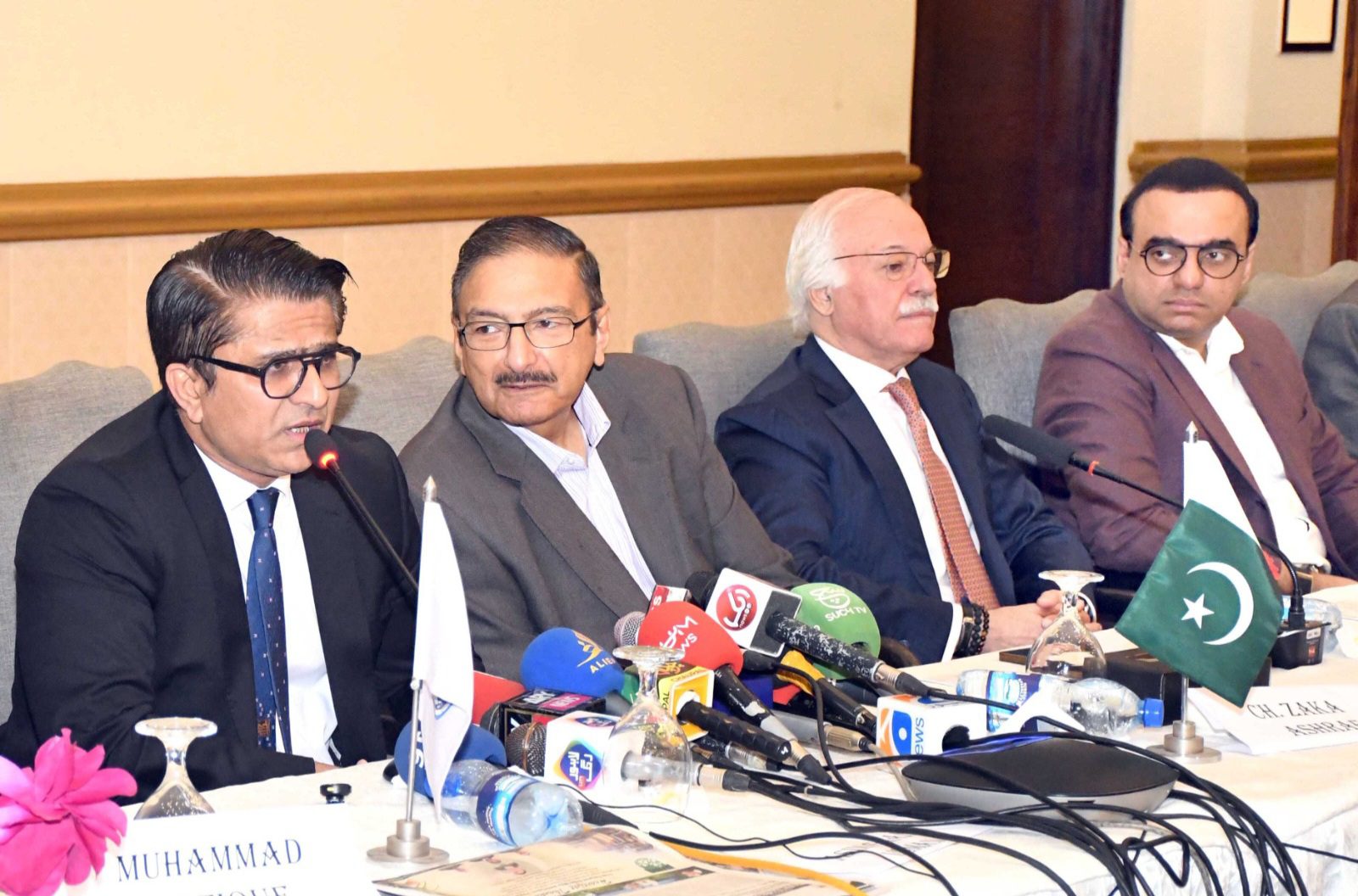
Addressing a press conference at a local hotel in Lahore on Friday, he said deregulation would enable sugarcane growers to receive better prices for their crops while helping the sugar industry emerge as a formal, export-oriented sector.
He expressed gratitude to the president, prime minister, deputy prime minister, chief ministers of Punjab and Sindh, and federal ministers for finance, national food security and economic affairs, as well as the prime minister’s adviser on industries, for supporting the initiative.
He also acknowledged the contributions of PSMA Senior Vice Chairman Muhammad Rafiq, Sajjad Anwar, South Zone Vice Chairman Aslam Faruque and other senior industry representatives in presenting the industry’s position to the government.
Usman said the Economic Coordination Committee (ECC) had approved the export of 416,000 tonnes of sugar. He urged the government to secure prompt Cabinet approval and restore land routes for exporting surplus stocks so shipments could begin without further delay.
He said sugar exports would improve the cash flow of mills, facilitate timely payments to sugarcane growers and generate valuable foreign exchange for the country. He added that the industry had already paid farmers approximately 99 per cent of the value of their produce.
PSMA Senior Vice Chairman Muhammad Rafiq said the government had introduced checks and balances under its deregulation policy but indicated that the sector would be fully deregulated within three years or less.
He said provincial governments had taken a positive step two years ago by deregulating sugarcane prices, which had helped farmers secure fair returns for their crops.
Rejecting concerns that deregulation could lead to higher sugar prices, Rafiq argued that better market prices would also translate into improved returns for sugarcane growers.
He pointed out that despite the recent export permission, Pakistan still had surplus sugar stocks of approximately 800,000 tonnes, while the next phase of sugar production was also approaching. He urged the government to allow additional exports to manage the surplus.
Former PSMA chairman Zaka Ashraf said deregulation had remained a longstanding demand of the sugar industry, but its implementation had been delayed.
He thanked the government for finally accepting the industry’s demand, saying the decision would benefit farmers and contribute to national economic growth. He also appreciated the efforts of the current PSMA chairman in securing the policy change.
South Zone Vice Chairman Aslam Faruque and North Zone Vice Chairman Khan Muhammad Ashraf also welcomed the government’s decision and expressed their gratitude.
Khan Muhammad Ashraf said Pakistan currently offered some of the world’s cheapest sugar and produced high-quality products capable of competing with those of major sugar-producing countries in international markets.
He said better prices in export markets could help the industry improve returns to sugarcane growers and strengthen Pakistan’s position in the global sugar trade.