


The conflict involving Saudi Arabia and Yemen’s Houthi fighters is expected to feature prominently on the meeting’s agenda as the three countries work to strengthen cooperation under their mutual defence agreement.
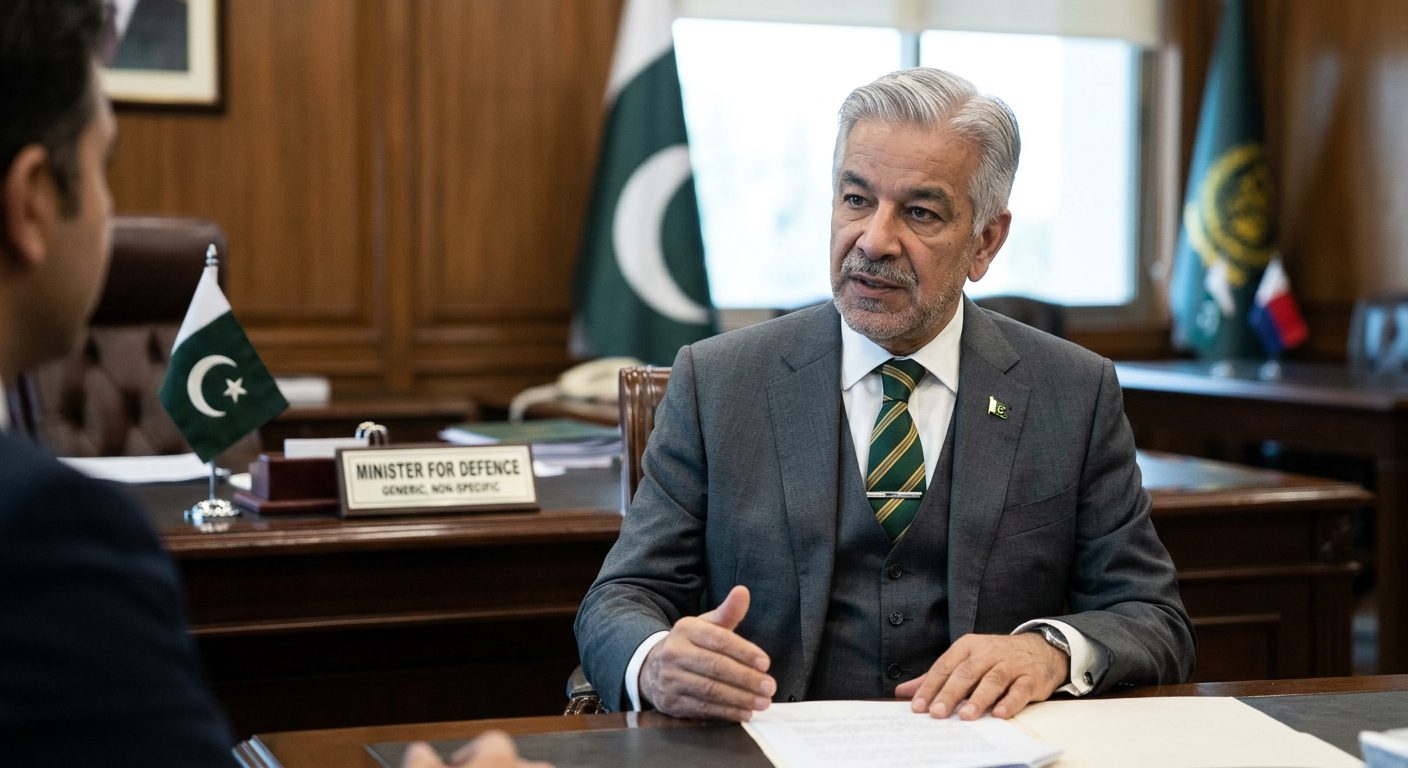
Speaking about the planned discussions, Khawaja Asif said continued instability south of Saudi Arabia was an important regional concern that could not be ignored.
He confirmed that defence and foreign ministers from Pakistan, Saudi Arabia and Turkiye would participate in the meeting.
The three Muslim-majority countries signed a mutual defence pact in August, committing to support one another in the event of an attack.
Asif stressed that the agreement clearly recognises threats against Saudi Arabia as a matter of concern for both Pakistan and Turkiye.
Saudi Arabia has faced repeated attacks attributed to Houthi fighters in Yemen, with reported targets including populated areas, energy infrastructure and maritime shipping routes.
The defence minister praised Riyadh’s handling of the security situation and emphasised the importance of closer coordination among regional partners.
He also acknowledged that the defence agreement was still at an early stage of development, requiring regular consultations and institutional arrangements before becoming fully operational.
According to Asif, frequent meetings during the initial phase would help establish the framework for cooperation and ensure that the participating countries could move forward with practical arrangements in the coming months.
The minister also expressed concerns about wider regional security threats, particularly the possibility of further Israeli aggression affecting countries across the Middle East.
He called for regional countries to strengthen their coordination and present a united approach to emerging security challenges.
The Islamabad meeting is expected to provide an opportunity for the participating countries to discuss defence cooperation, regional developments and mechanisms for responding to potential threats.
Pakistan’s diplomatic role in regional tensions
Pakistan has also been involved in diplomatic efforts to reduce tensions between the United States and Iran following the escalation of conflict in the Middle East.
Islamabad previously played a mediating role in efforts to establish a temporary understanding between Washington and Tehran, including discussions concerning the Strait of Hormuz and Iran’s nuclear programme.
However, subsequent disagreements and accusations of violations weakened the arrangement, leaving diplomatic efforts to restore stability uncertain.
Khawaja Asif described Pakistan’s diplomatic contribution as constructive but acknowledged that the broader peace process remained fragile.
He emphasised that regional stability would require continued engagement, diplomatic coordination and cooperation among countries affected by the ongoing conflicts.
The upcoming Islamabad meeting is therefore being viewed as an important opportunity for Pakistan, Saudi Arabia and Turkiye to strengthen their strategic partnership and discuss a coordinated response to regional security challenges.