


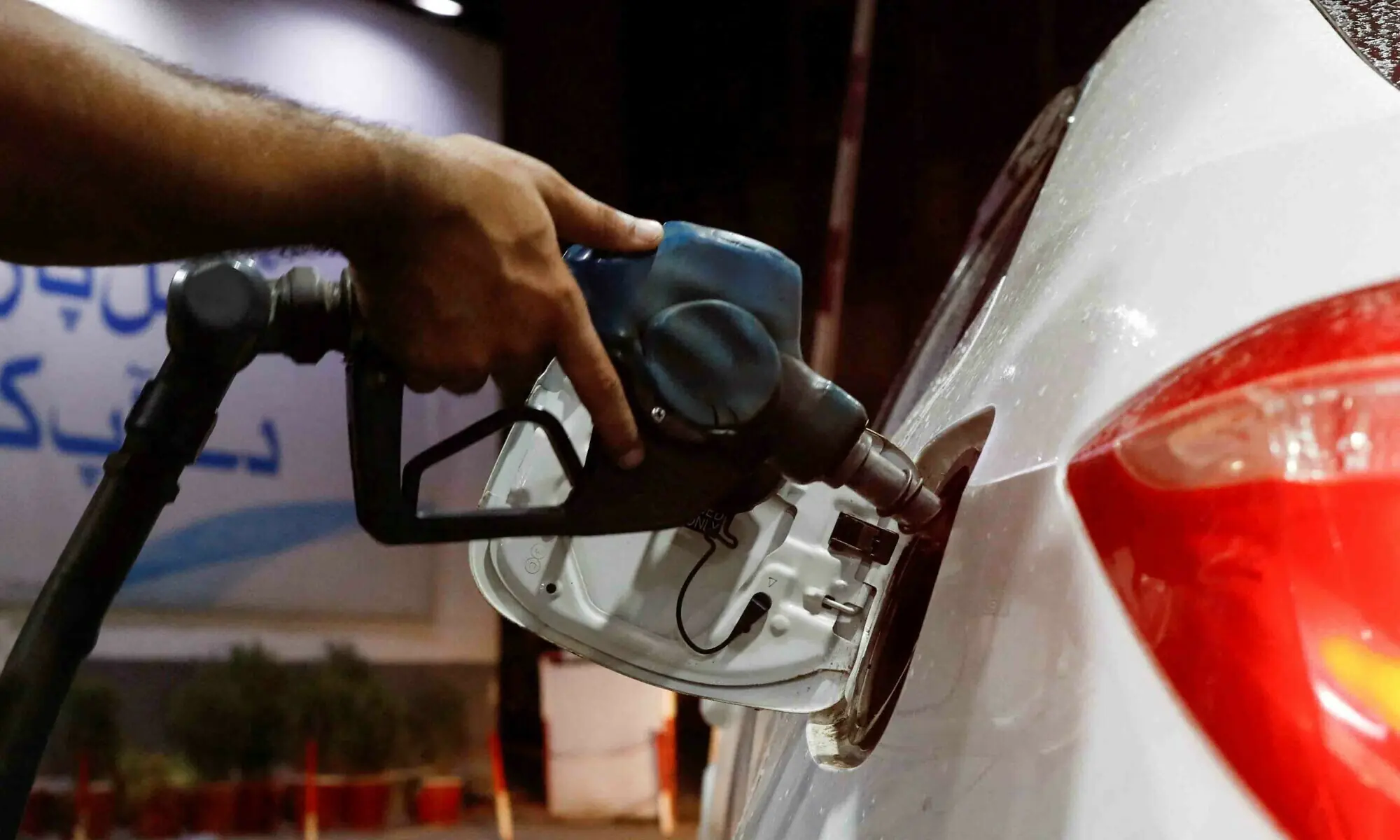
ISLAMABAD (Busniess Desk) – The federal government is expected to reduce the price of petrol by Rs2 per litre while keeping the price of high-speed diesel (HSD) unchanged under the latest weekly review of petroleum product prices.
According to informed sources, petrol is likely to be priced at Rs297 per litre, down from the existing Rs299 per litre. Meanwhile, the price of high-speed diesel is expected to remain unchanged at Rs315 per litre for the next seven days.
An official notification from the Petroleum Division is expected to formally announce the revised prices. Once issued, the new rates will come into effect immediately and remain applicable until the next weekly fuel price review.
The anticipated reduction offers modest relief to consumers at the beginning of the new fiscal year 2026-27. Although the decrease is relatively small, it is expected to provide some benefit to private motorists, ride-hailing drivers and businesses that rely heavily on petrol-powered vehicles.
Petrol is the most widely consumed transport fuel in Pakistan, particularly for motorcycles, cars and small commercial vehicles. Even minor adjustments in its price directly affect millions of households and influence transportation expenses across the country.
In contrast, the decision to keep diesel prices unchanged reflects the government’s effort to maintain stability in sectors that depend heavily on diesel, including freight transport, agriculture, construction and public transportation.
High-speed diesel is widely used by heavy commercial vehicles, buses, tractors and industrial machinery. Any significant increase in diesel prices usually raises transportation costs and contributes to higher prices for food and other essential commodities.
The expected fuel adjustment follows last week’s decision when petrol prices were left unchanged despite fluctuations in international oil markets. During the same period, the government implemented a climate levy of Rs5 per litre on both petrol and diesel under the Finance Act 2026.
The climate levy forms part of broader fiscal reforms introduced in the federal budget. Officials have stated that the additional revenue generated through the levy will support environmental initiatives and help strengthen climate resilience projects while contributing to fiscal sustainability.
Despite the new levy, the latest review indicates that changes in international petroleum prices and exchange rate movements have created room for a slight reduction in petrol prices.
Pakistan reviews petroleum prices regularly by considering several factors, including global crude oil prices, import costs, freight charges, exchange rate fluctuations, refinery margins, inland transportation costs and applicable taxes and levies.
Because the country imports a significant portion of its petroleum requirements, domestic fuel prices remain sensitive to developments in international energy markets. Changes in crude oil prices or currency exchange rates often have a direct impact on local fuel costs.
Economic analysts say stable fuel prices remain important for controlling inflation, as transportation expenses influence the prices of goods and services throughout the economy. Lower fuel prices can reduce operating costs for businesses and provide limited relief to consumers already facing rising living expenses.
However, experts note that weekly fuel price adjustments are influenced by market conditions and government taxation policies. Therefore, future revisions will largely depend on international oil market trends and domestic economic considerations.
Transport operators and logistics companies are expected to welcome the decision to maintain diesel prices, as further increases could have placed additional financial pressure on commercial transport and supply chains.
Motorists are also likely to benefit from the reduction in petrol prices, although analysts believe the overall impact on household budgets will remain modest because of the relatively small decrease.
The government continues to monitor developments in global energy markets and review domestic pricing mechanisms to balance consumer interests with fiscal requirements.
Once officially notified, the revised petroleum prices will remain effective for one week before the next scheduled review, when authorities will again assess international oil prices and other economic indicators to determine whether further adjustments are necessary.