By Our Correspondent
KARACHI: Pakistan’s textile exports registered a significant decline in June 2026, reflecting weaker monthly shipments despite the sector posting a modest increase in exports over the full fiscal year, according to official trade figures released on Friday.
The latest data showed that textile exports stood at $1.282 billion in June, compared with $1.657 billion recorded in May 2026, representing a 22.63 per cent month-on-month decline.
Exports also fell compared with the corresponding month of last year. In June 2025, Pakistan exported textile products worth $1.522 billion, meaning June’s export earnings were lower on both monthly and annual comparisons.
Despite the decline recorded during the final month of the fiscal year, Pakistan’s textile industry managed to end FY2025-26 on a positive note overall.
According to the official figures, textile exports totalled $17.97 billion during the fiscal year, slightly higher than the $17.91 billion recorded in FY2024-25. The increase of 0.34 per cent suggests that although export growth remained subdued, the sector was able to maintain its position as the country’s leading source of export revenue.
Textile sector remains Pakistan’s export backbone
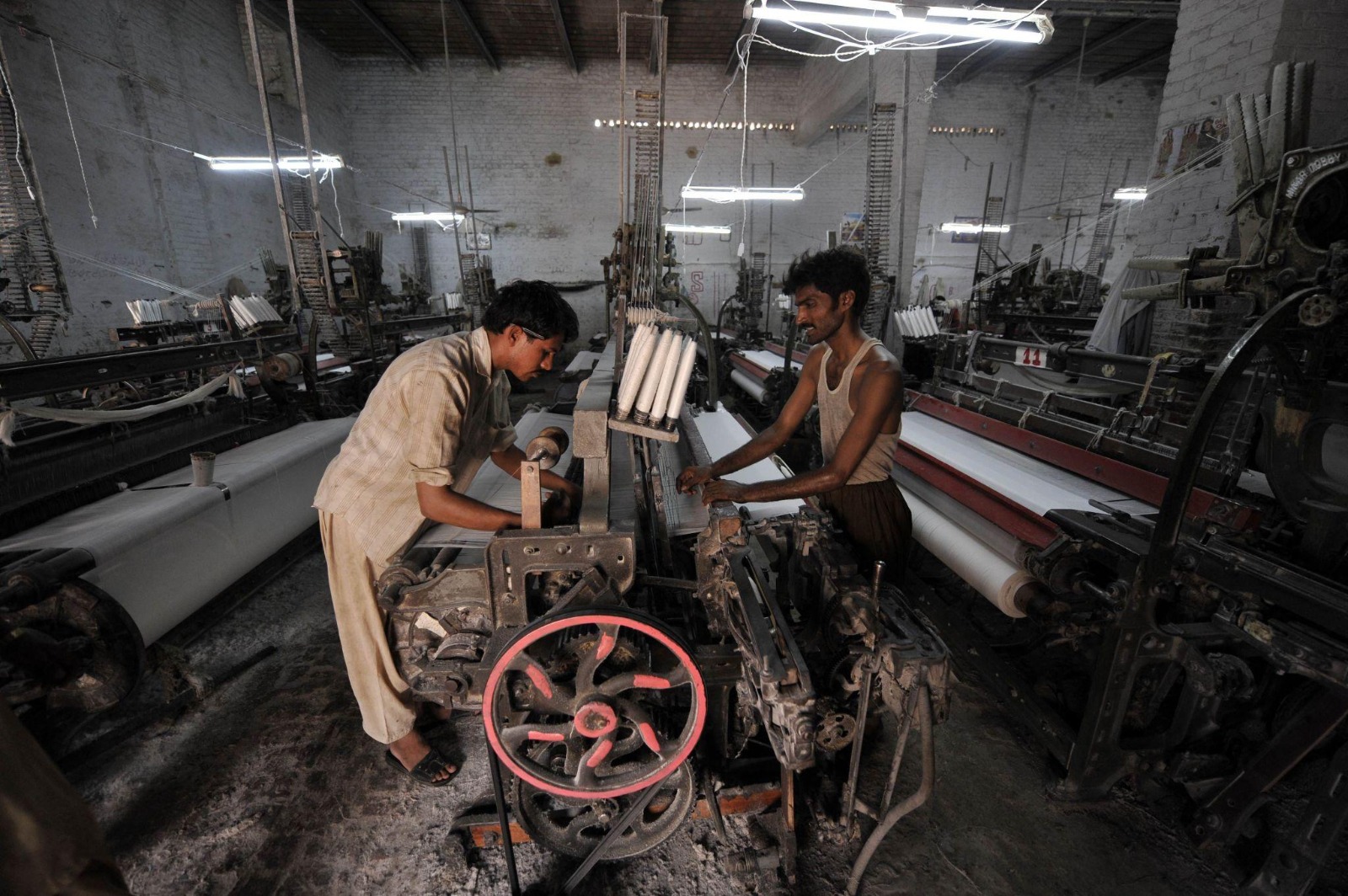
The textile and apparel industry continues to dominate Pakistan’s export basket, contributing more than half of the country’s merchandise exports and providing employment to millions of workers across the value chain.
The sector includes cotton yarn, fabrics, garments, knitwear, bed linen, towels and a wide range of value-added textile products exported to major international markets including the United States, the European Union, the United Kingdom and China.
Textile exports remain one of Pakistan’s largest sources of foreign exchange earnings, making the industry’s performance critical for improving the country’s balance of payments and supporting foreign exchange reserves.
Challenges continue to weigh on exports
Industry experts say the decline in June exports reflects several challenges facing textile manufacturers, including fluctuating international demand, rising production costs and changing shipment schedules.
Exporters have also highlighted higher financing costs, energy tariffs, logistics expenses and increased competition from regional textile-producing countries such as Bangladesh, Vietnam and India.
Global demand has remained uneven in recent months as slower economic growth in key export markets has affected consumer spending on clothing and household textile products.
At the same time, exporters have urged policymakers to maintain competitive energy prices, ensure timely tax refunds and improve access to affordable financing to help the industry expand production and increase exports.
Annual growth offers cautious optimism
Although the year-on-year increase of 0.34 per cent appears modest, analysts believe it demonstrates the resilience of Pakistan’s textile sector during a challenging global trading environment.
Economists noted that monthly export data often fluctuate because of seasonal demand, delivery schedules and international market conditions. As a result, a single month’s performance does not necessarily reflect the broader trend for the industry.
They added that the slight increase in annual exports indicates that manufacturers were able to offset weaker demand during parts of the year by increasing shipments of higher value-added textile products.
The government has repeatedly identified export-led growth as a central pillar of its economic strategy, with textiles expected to play a leading role in increasing foreign exchange earnings.
Focus on value-added exports
Trade experts have long argued that Pakistan must move beyond exporting raw cotton and low-value textile products by expanding its production of finished garments, technical textiles and branded apparel.
Increasing value-added exports would allow the country to generate higher export revenues while improving competitiveness in international markets.
Industry representatives have also called for greater investment in technology, modern machinery, workforce training and product diversification to strengthen Pakistan’s position in the global textile supply chain.
Outlook for the new fiscal year
Looking ahead, the performance of Pakistan’s textile exports will largely depend on global economic conditions, commodity prices, exchange rate stability and domestic policy support.
A recovery in international demand, combined with improved industrial competitiveness and favourable government policies, could help the sector regain stronger export momentum during the current fiscal year.
For now, while June’s figures highlight the challenges confronting exporters, the overall annual increase suggests the textile industry continues to demonstrate resilience and remains a vital pillar of Pakistan’s economy and export sector.