


Dr Alamdar Hussain Malik
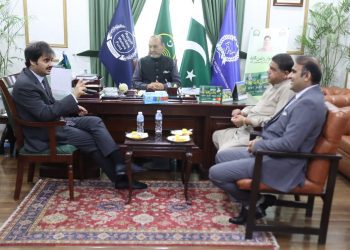
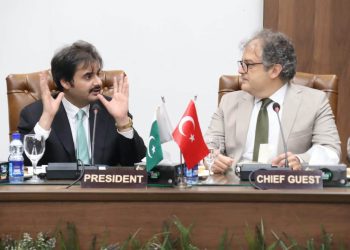
The confident claims of the Ministry of National Heritage and Culture about Pakistan’s creative economy raise a fundamental question: where is this economy, and what tangible achievements justify such optimism? When the foundations of the country’s creative and cultural industries have been eroded over the years, how can officials confidently present a promising picture without addressing the realities on the ground? A photograph, a press statement, and ambitious declarations cannot replace functioning institutions, productive economic activity, investment, and employment opportunities. The gap between official claims and the actual condition of the creative sector is too serious to be ignored. Billions in promises mean little when the industries that should generate creativity, livelihoods, and economic growth are struggling to survive.
Read also: Dr Alamdar Hussain Malik honoured with gold medal of excellence at Pakistan Agro Award 2026
A creative economy is not established merely by naming it a national priority or organising official meetings. It requires a functioning ecosystem of cinemas, theatres, film production companies, drama studios, music platforms, publishing houses, artists, writers, designers, craftspeople, cultural institutions, and tourism-related enterprises. These sectors must be supported by infrastructure, investment, professional training, access to markets, and policies that encourage innovation and entrepreneurship. Without these essential ingredients, the creative economy remains a slogan rather than a productive force capable of generating employment, attracting investment, and contributing to national prosperity.
Let us begin with Pakistan’s cinema industry. Over the past decade and beyond, cinemas have closed, cinema buildings have disappeared or been converted to other commercial uses, and the culture of watching films on the big screen has suffered a serious decline in many parts of the country. The weakening of cinema infrastructure is not merely a matter of entertainment. It represents the erosion of an entire economic chain involving filmmakers, actors, technicians, musicians, distributors, exhibitors, advertising agencies, and countless others whose livelihoods depend directly or indirectly on the industry.
How can a country credibly celebrate the growth of its creative economy when one of its most visible cultural industries has struggled to maintain its infrastructure? Where are the concrete plans to revive cinemas, encourage investment in modern screening facilities, support domestic film production, and create opportunities for emerging filmmakers? How much investment has actually been made, how many new screens have been established, and how many sustainable jobs have been created?
These are the questions that deserve answers.
Photographs of meetings and confident official statements cannot substitute for measurable progress.
The condition of drama theatres and the performing arts is equally concerning. Theatres are not simply buildings where people gather for entertainment. They are centres of cultural expression, intellectual debate, artistic experimentation, and talent development. They provide opportunities for playwrights, actors, directors, musicians, stage designers, and technical staff to earn a livelihood through their skills. Yet the performing arts sector continues to face serious challenges, including inadequate facilities, limited commercial opportunities, insufficient patronage, and a lack of sustained institutional support.
When theatres struggle to survive, artists lose opportunities, young people are deprived of platforms to develop their talents, and society gradually loses an important part of its cultural identity. A government genuinely committed to the creative economy must support functioning theatres, encourage private investment, facilitate independent productions, and establish transparent funding mechanisms for cultural activities. It must also ensure that public funds allocated to cultural development produce visible and sustainable results. Otherwise, official declarations about creativity and innovation will remain disconnected from the lives of the very people the policies are intended to benefit.
Tourism provides another important example of the gap between potential and performance. Pakistan possesses extraordinary natural beauty, historical sites, archaeological treasures, traditional crafts, diverse regional cultures, and a rich heritage. These resources could support a vibrant cultural and tourism economy, generating income for local communities and employment for young people. However, natural beauty and historical significance alone do not guarantee economic success. Tourism requires sound planning, accessible infrastructure, professional services, security, preservation of heritage, effective marketing, and opportunities for local communities to participate in economic activity.
Creative industries and tourism can reinforce one another. Films can promote destinations, cultural festivals can attract visitors, traditional crafts can generate income, and performing arts can enrich the visitor experience. But these benefits do not materialise automatically. They require coordination between the relevant ministries, provincial governments, local authorities, private investors, and cultural institutions. Without such coordination, even the country’s greatest cultural and natural assets may remain economically underutilised.
The central problem with official presentations of this kind is that announcements are too often confused with achievements. A photograph may show that a meeting took place, a delegation assembled, or a proposal was discussed. It does not establish that an industry has been revived, investment has flowed, employment has increased, or artists have found sustainable opportunities. The public deserves more than carefully staged optimism. It deserves evidence of implementation, transparency in the use of public money, and accountability for the results of government programmes.
If billions of rupees are being promised, proposed, or allocated for the creative economy, the relevant authorities should disclose the actual financial commitments, amounts released and spent, projects completed, jobs generated, and measurable improvements achieved. They should explain how much support has reached filmmakers, theatre owners, artists, musicians, writers, and small creative enterprises.
They should also identify the institutions responsible for implementation and establish clear targets against which progress can be assessed. Without such information, the public cannot distinguish between a genuine economic programme and an attractive vision presented for publicity.
Pakistan’s young population makes this issue even more important. Thousands of talented young people possess abilities in filmmaking, acting, music, digital media, graphic design, animation, photography, writing, and other creative fields. With appropriate training, infrastructure, financing, and access to international markets, these skills could generate employment and foreign exchange while promoting Pakistan’s cultural identity. The digital economy has also created opportunities for creative professionals to work across borders. But talent cannot flourish in an environment where institutions are weak, investment is uncertain, and opportunities are limited.
The creative economy should therefore be treated as a serious economic sector rather than a ceremonial subject for conferences and photo sessions. It needs a credible national strategy, realistic priorities, private-sector participation, public-private partnerships, transparent financing, and measurable performance indicators. The government must first identify the reasons behind the decline of existing cultural infrastructure and then develop practical measures to restore it. Reviving cinemas, strengthening theatre institutions, supporting independent artists, preserving cultural heritage, and linking tourism with local creative enterprises would be meaningful starting points.
Equally important is the need to consult those who actually work in these industries. Filmmakers, theatre practitioners, artists, producers, cultural organisations, tourism operators, and creative entrepreneurs understand the obstacles that official presentations may overlook. Their experience should inform policymaking. A successful creative economy cannot be built exclusively in government offices; it must be developed through the participation of the people whose creativity and enterprise give it life.
The Ministry of National Heritage and Culture must recognise that public confidence cannot be secured through declarations alone. It must demonstrate results, acknowledge shortcomings, publish reliable data, and explain how its initiatives will improve the lives of citizens. If the existing infrastructure has deteriorated, the first responsibility is to address that deterioration. If artists lack opportunities, the priority must be to create them. If investment is insufficient, the government must identify the barriers and provide a credible framework for overcoming them.
Pakistan does not lack creative talent, cultural diversity, historical heritage, or tourism potential. What it urgently needs is a serious commitment to turning these assets into productive economic activity. The country cannot afford to allow its cultural industries to decline while celebrating a creative economy that exists primarily in official statements. Nor should public money be committed to ambitious programmes without transparent objectives, effective implementation, and demonstrable public benefits.
The real measure of a creative economy is not the number of conferences held, photographs taken, or promises announced. It is the number of functioning cinemas and theatres, the volume of sustainable creative work, the opportunities available to young people, the income earned by artists, the investment attracted, and the cultural assets successfully preserved and promoted.
Until the Ministry can demonstrate tangible progress on these fronts, its confident claims will remain open to serious questioning. Pakistan needs action rather than publicity, functioning institutions rather than grand declarations, and measurable achievements rather than promises without visible outcomes. A creative economy cannot be built on the ruins of its own foundations. Before celebrating billions in promises, the Ministry of National Heritage and Culture must explain why so much of the creative landscape has been allowed to fall into disrepair.
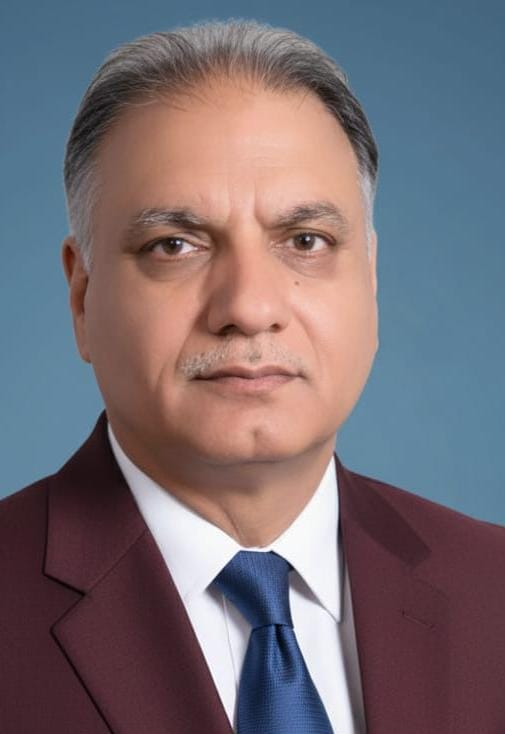
The writer is Advisor Academics, University of Veterinary and Animal Sciences, Swat and Former Financial Advisor, Finance Division, Government of Pakistan