


By Commerce Reporter
LAHORE — Pakistan’s food security is facing a range of serious challenges, including rising production costs, climate change, water shortages, limited investment in agricultural research, disease risks in livestock and poultry, and weaknesses in supply chain management, according to leading industry stakeholders.
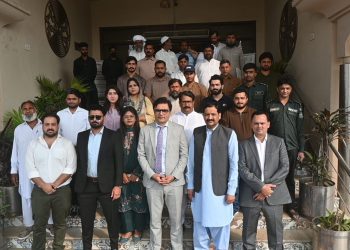
Dr Asim Mahmood Khan, Vice President of Progressive Group, Chairman of the Pakistan Veterinary Pharmaceutical Association and former Chairman of the Punjab Livestock and Dairy Development Board, said immediate and coordinated efforts are needed to protect the country’s food production systems and ensure long-term sustainability.
He noted that the agriculture, livestock and poultry sectors are not only responsible for ensuring food availability but also support millions of livelihoods and play a vital role in maintaining economic stability.
According to Dr Khan, the livestock sector contributes nearly 60 per cent of Pakistan’s agricultural GDP, making it one of the most important pillars of the rural economy. Meanwhile, the poultry industry remains the country’s largest and most affordable source of animal protein for consumers.
He warned that neglecting these sectors could increase Pakistan’s dependence on imported food and agricultural products, placing additional pressure on foreign exchange reserves and national food supplies.
Dr Khan emphasised the need for policies that promote trust, cooperation and coordination among government institutions, industry stakeholders and investors. He said stronger public-private partnerships would encourage investment, facilitate the adoption of modern technologies and boost domestic agricultural production.
He added that increased investment in innovation, research and infrastructure could help create employment opportunities, improve productivity and strengthen the country’s overall food security framework.
Highlighting Pakistan’s potential, Dr Khan said the country possesses fertile agricultural land, a hardworking farming community, a strong livestock base and significant untapped capacity for agricultural growth.
However, he stressed that achieving food self-sufficiency and expanding agricultural exports will require consistent, business-friendly and long-term policies that provide certainty to investors and producers alike.
Experts believe that addressing structural challenges in agriculture and livestock development will be critical for ensuring sustainable food supplies and supporting Pakistan’s broader economic growth objectives in the years ahead.