


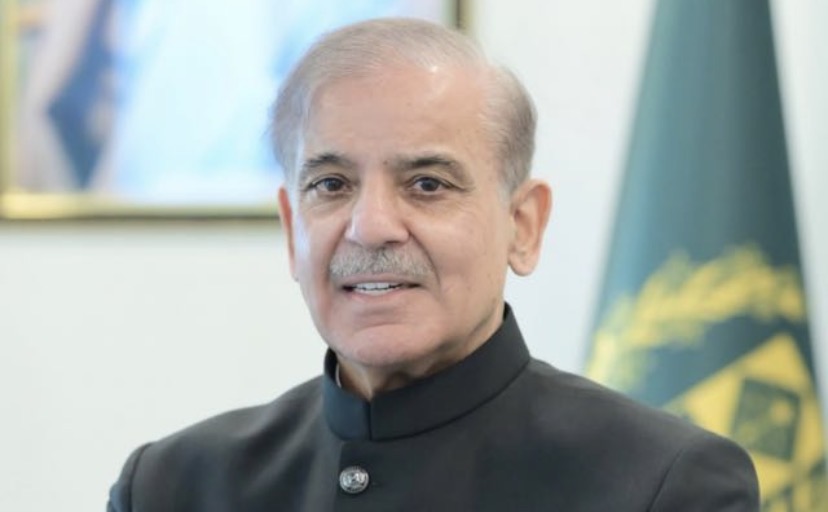
ISLAMABAD (Web Desk): Prime Minister Shehbaz Sharif has approved Pakistan’s Auto Policy 2026-31, introducing proposed tariff reforms, export-linked incentives and electric vehicle tax concessions to strengthen the country’s automotive industry.
Under the policy, Pakistan aims to raise vehicle exports to $6 billion and auto-parts exports to $1.2 billion by fiscal year 2030-31. Automobile manufacturers will be required to meet export targets, with financial incentives for companies expanding overseas sales and penalties for those failing to fulfil their commitments.
The proposed framework also seeks to accelerate electric vehicle adoption through differentiated sales tax rates. Battery electric vehicles would face a proposed 1% sales tax, while range-extended electric vehicles and plug-in hybrids would be taxed at 6% and 9%, respectively.
To improve affordability, the policy proposes increasing the maximum financing limit for electric vehicles from Rs3 million to Rs10 million and extending the maximum repayment period from three years to five years.
The government also plans a gradual reduction in import tariffs, targeting a rate of 15% by 2030-31 to encourage competition and improve consumer choice in the domestic market.
Under the export incentive mechanism, eligible manufacturers increasing overseas sales could receive compensation equivalent to 5% of export value, with an additional 10% incentive proposed for exports exceeding the previous year’s level. Companies repeatedly missing mandatory export targets could face penalties, including cancellation of manufacturing certificates under the proposed framework.
The policy further proposes an Automotive Development Levy on vehicles with engine capacities exceeding 1,000cc. The levy is projected to generate more than Rs232 billion over five years, with proceeds intended to support industrial development, export incentives and technological improvements in the auto-parts sector.
To improve manufacturing standards, the government plans to establish the Pakistan Automotive Testing Institute, focusing on vehicle testing, certification, research and quality assurance. The framework also envisages independent audits, international safety standards and consumer-protection measures.
Legislation related to the policy is targeted for completion by December 2026, according to the policy document.
The new framework aims to reduce reliance on imported components, strengthen domestic supply chains and make Pakistani vehicles more competitive in international markets. Its impact will depend on implementation, investment in local manufacturing, access to financing and the industry’s ability to meet export and quality requirements.