



By Our Correspondent
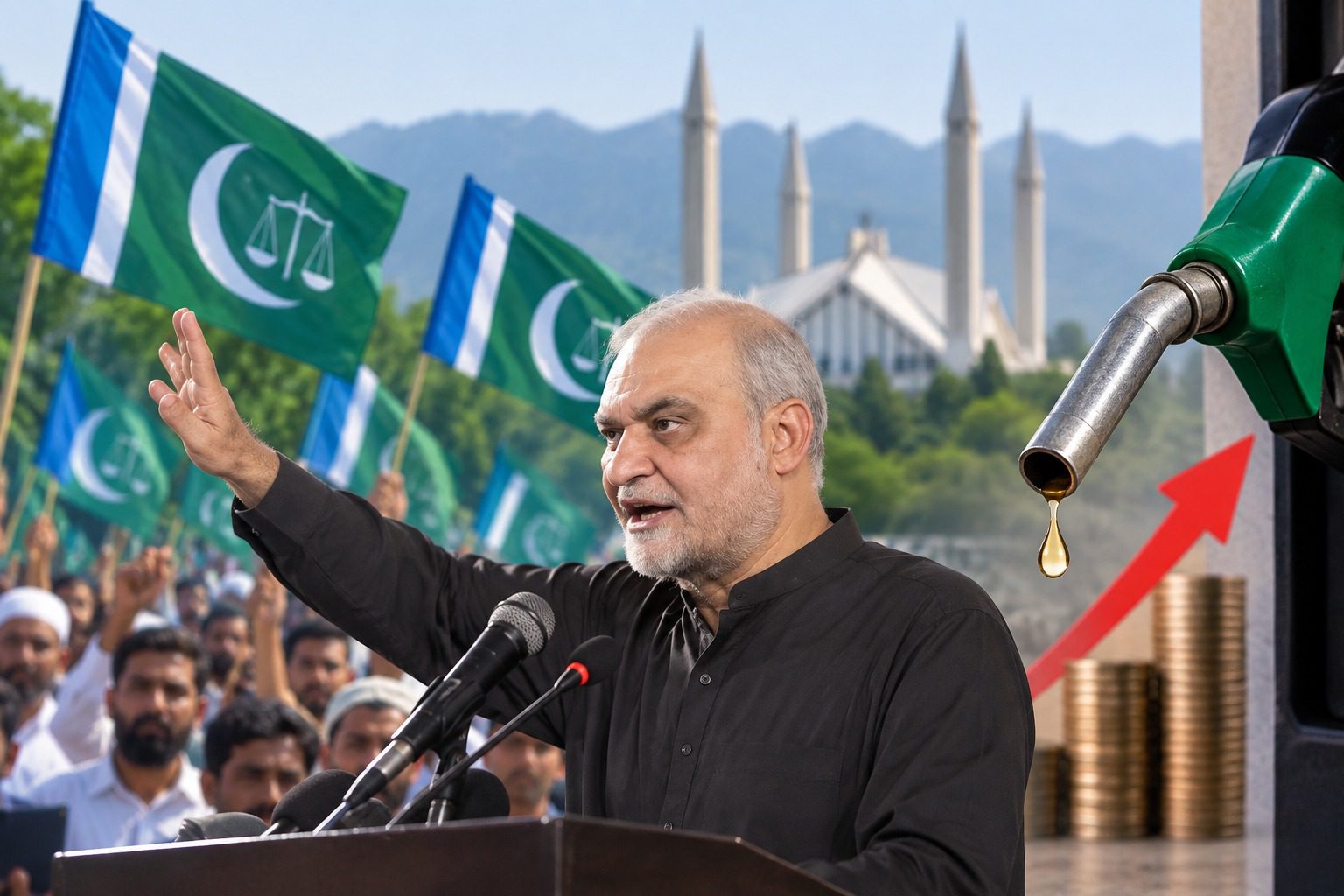
LAHORE -Jamaat-i-Islami (JI) Emir Hafiz Naeemur Rehman on Monday rejected Prime Minister Shehbaz Sharif’s recently announced fuel relief package as insufficient and renewed his demand for the complete abolition of the petroleum levy.
Addressing a press conference in Lahore as JI’s anti-levy campaign entered its 30th day, Rehman maintained that targeted relief for motorcycles, rickshaws and small cars did not address what his party considers the underlying burden of taxation on petroleum products.
The prime minister on Sunday announced a special scheme offering Rs100-per-litre relief on a limited monthly quantity of petrol to eligible motorcycle, rickshaw, Qingqi and other two- and three-wheeler users, as well as owners of cars with engines of up to 800cc.
The government introduced the measure following a sharp rise in domestic fuel prices amid higher international oil costs and disruption risks linked to continuing tensions in the Middle East.
JI, however, has continued to press the government to withdraw the petroleum levy altogether.
The party has been holding demonstrations and sit-ins in Lahore, Karachi, Peshawar and other locations since August 16. Rehman said protests were continuing at around 40 locations across the country.
He reiterated that protesters planned to converge on Islamabad on September 20 if their demands remained unresolved.
The JI chief also warned against attempts to obstruct the planned mobilisation, saying the authorities would bear responsibility for any consequences arising from what he described as undemocratic measures against protesters.
Rehman linked his petroleum levy demand with monetary policy, arguing that a three-percentage-point reduction in interest rates could generate substantial savings in the government’s debt-servicing costs.
He claimed such a reduction could save the national exchequer around Rs1.7 trillion, which he argued would be sufficient to offset revenue currently being generated through the petroleum levy.
The claim represents JI’s assessment and would depend on factors including the composition and repricing of government debt, monetary conditions and the timing and extent of any interest-rate reduction.
Rehman also criticised the government’s position regarding the autonomy of the State Bank of Pakistan and accused the banking sector of benefiting from high interest rates.
He said the government could generate substantial savings by considering economic proposals submitted by a committee formed by JI.
The JI leader further raised concerns over petroleum pricing practices and alleged that some refineries were benefiting from differences involving imported and domestically refined petroleum products.
He called for scrutiny of such pricing arrangements as well as improvements in domestic refinery capacity.
Rehman also demanded reductions in government privileges and changes to what he described as unfair agreements with independent power producers.
The government has not been quoted in the supplied material responding specifically to those allegations.
Despite the increasingly confrontational rhetoric surrounding JI’s planned Islamabad mobilisation, negotiations between the two sides remain underway.
Rehman confirmed that another round of talks between JI and the government was scheduled for September 15.
Two rounds of negotiations have already taken place. During the first round on September 7, JI presented six proposals to the government committee as part of efforts to resolve the dispute.
The petroleum levy remains at the centre of the disagreement, with JI arguing that reducing the tax burden directly would provide broader relief than a targeted subsidy programme.
The government, meanwhile, has opted for targeted fuel assistance aimed at people using motorcycles, rickshaws and smaller vehicles rather than announcing the complete withdrawal of petroleum-related taxation.
With negotiations continuing and JI maintaining its September 20 Islamabad mobilisation plan, the outcome of the next round of talks could determine whether the dispute moves towards a negotiated settlement or a larger political protest in the federal capital.


