


TEHRAN (Web Desk) – Iran has called for the security of Islamic holy sites to remain free from political exploitation and urged regional countries to exercise caution over allegations surrounding attacks, after Saudi Arabia said it intercepted a drone south of Makkah.
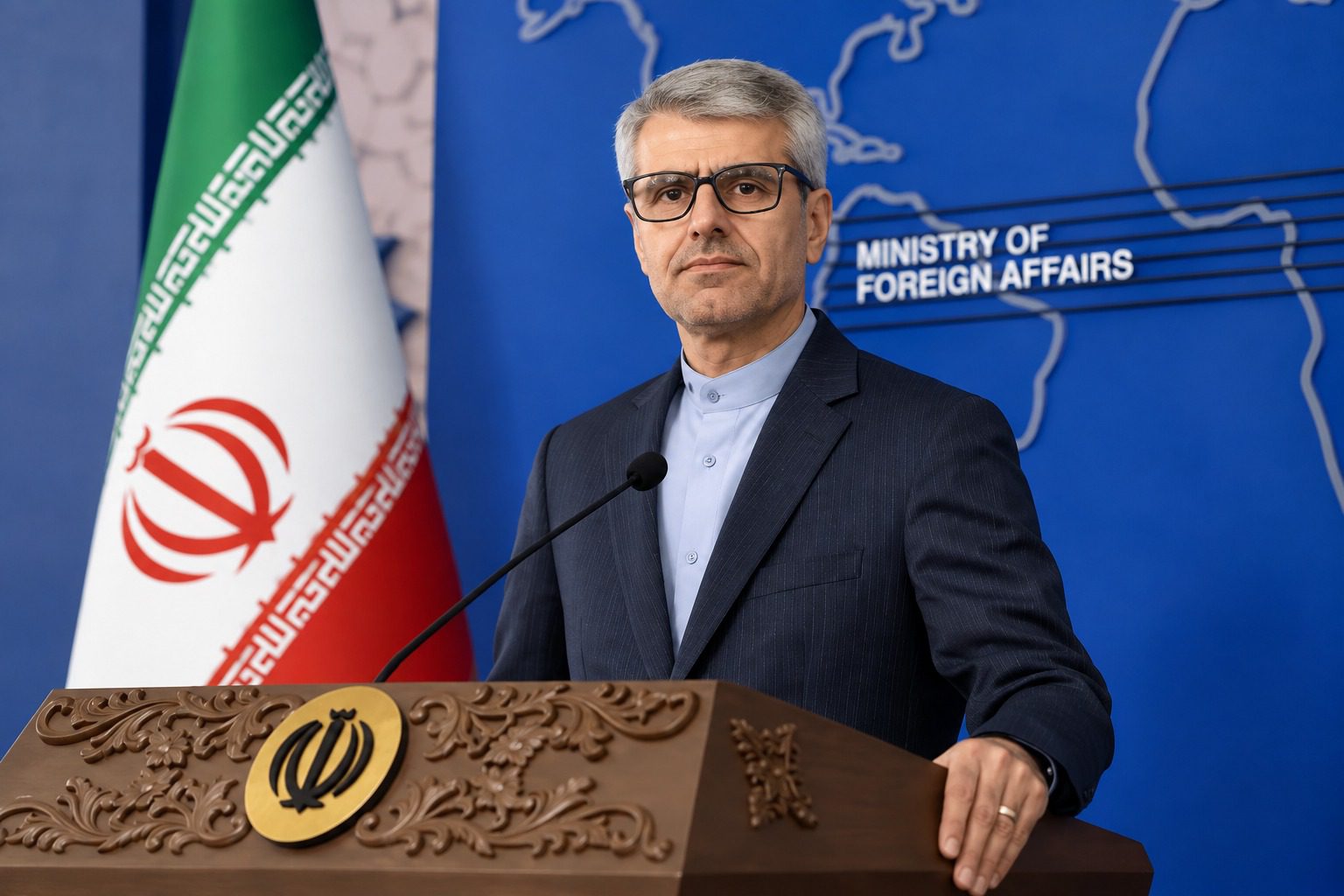
Iranian Foreign Ministry spokesperson Esmaeil Baqaei issued the remarks on Thursday while responding to Saudi claims concerning an alleged Houthi drone attack. He said any aggression against Islamic holy places, particularly Makkah, Madina and Al-Aqsa Mosque, as well as threats to pilgrims and people living nearby, should be condemned.
At the same time, Baqaei argued that a claim that a drone had been intercepted while heading towards Makkah was not, by itself, sufficient to establish responsibility for the incident. He pointed to a denial from the Houthi-led authorities in Yemen and called for evidence before blame was assigned.
The Iranian spokesperson said Tehran believed the security of Islamic holy sites should not be “politicised” or used in ways that could deepen divisions or fuel further regional tensions.
Baqaei also urged what he described as “caution and vigilance” against possible “false flag” operations. That assertion represents the Iranian government’s position and has not been independently established. He alleged that such incidents could be intended to influence public opinion and create discord among Muslim countries.
His statement came amid heightened tensions after the Saudi-led coalition said it had intercepted and destroyed a Houthi drone south of Makkah before it entered restricted airspace over the holy city. Coalition spokesman Turki al-Malki described the safety of Makkah as a “red line” and warned of action against threats to the city.
The Houthis, however, denied that they had targeted Makkah. Houthi leader Abdul Malik al-Houthi said his movement had not launched a drone towards the city.
The competing claims come during a period of escalating confrontation involving Yemen and Saudi Arabia. Saudi authorities have issued security alerts in several areas following a series of strikes attributed to the Iran-aligned Houthis, while fighting in Yemen has also intensified.
On Thursday, Saudi state television reported that one person was killed and two others injured during a drone interception in Taif province. Separately, the Houthis said three children were killed in strikes by Saudi-backed forces in Yemen’s Taiz province. Those claims were reported by the respective sides amid an active conflict and were not independently verified in the reports.
The latest developments are particularly sensitive because Makkah is Islam’s holiest city and the destination for millions of Muslims performing Hajj and Umrah. Any reported threat involving the city carries significant religious as well as regional security implications.
The dispute is unfolding against the backdrop of a wider Middle East conflict. The United States and Israel launched strikes against Iran in February, while subsequent months have seen continuing military confrontations and diplomatic efforts aimed at containing the crisis.
Tensions have also increasingly affected important regional shipping and energy routes. Recent Houthi military activity around Yemen and the Red Sea has heightened concerns over the security of the Bab el-Mandeb Strait, while disruptions elsewhere in the region have contributed to uncertainty in global energy markets.
Iran has longstanding political and strategic ties with the Houthis, while Tehran says the Yemeni movement makes its own decisions. The widening confrontation has increased diplomatic pressure on regional powers to prevent further escalation.
Baqaei’s statement sought to combine an unequivocal condemnation of threats against Islamic holy sites with Tehran’s rejection of assigning responsibility without what it regards as sufficient evidence.
The conflicting Saudi and Houthi accounts leave the circumstances surrounding the reported drone incident contested. No independently verified evidence cited in the reports reviewed for this story establishes who launched the drone or its intended target.


