


By Our Correspondent
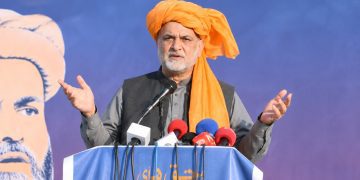
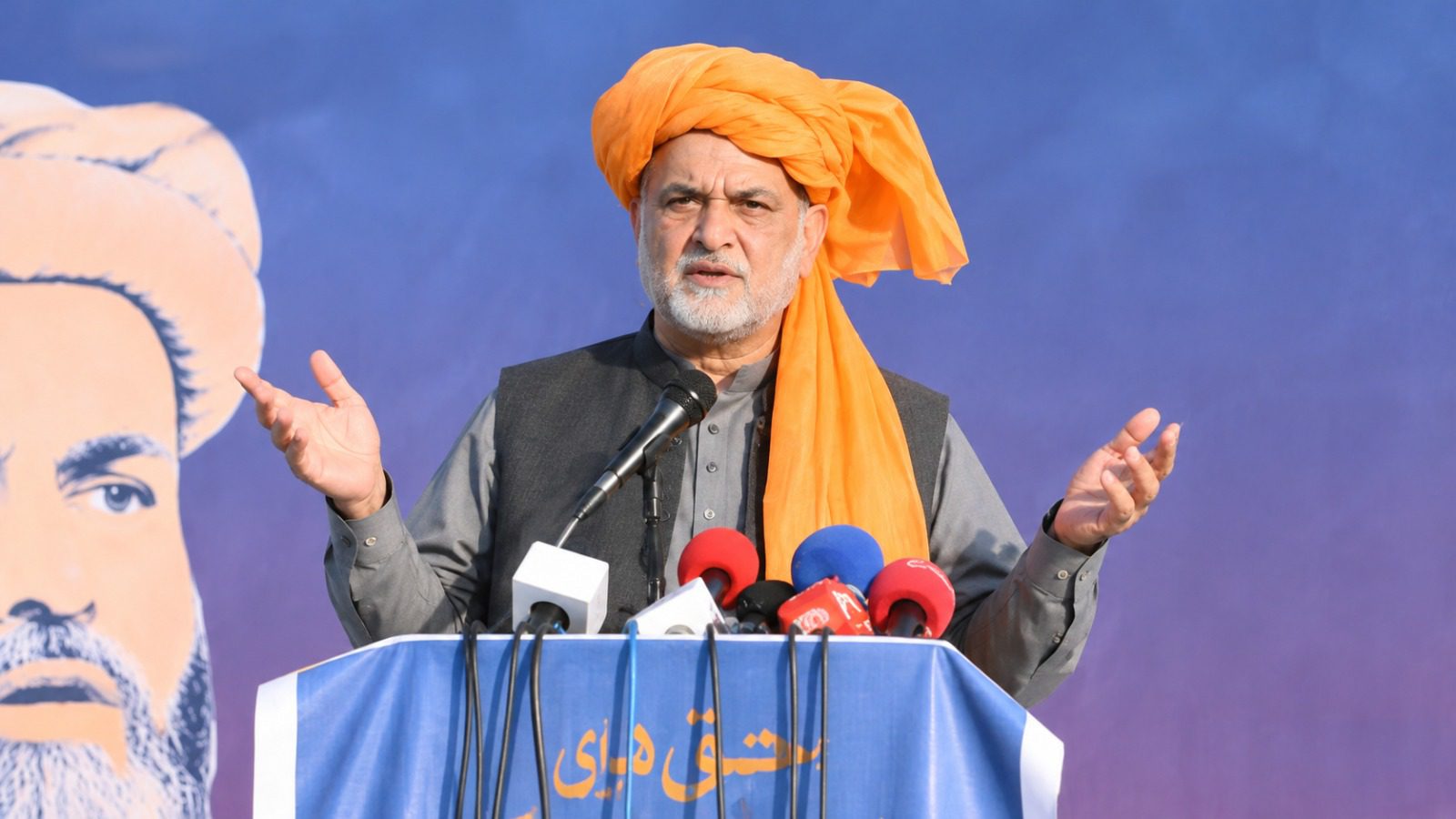
QUETTA : Jamaat-e-Islami chief Hafiz Naeemur Rehman has launched a strong criticism of Pakistan’s ruling elite, accusing a powerful group of dominating the country’s political system and exploiting its resources.
Addressing a public gathering in Quetta on Sunday, he said the same influential people continued to hold power under military rule, hybrid arrangements and what he described as nominal democracy.
“A particular class has been imposed on the country, and we will have to get rid of it,” Naeem said, pledging that his party would not surrender its democratic and political rights.
He questioned the political developments in Karachi, claiming that despite Jamaat-e-Islami securing majority support, the party was denied the mayor’s office. He also criticised influential groups involved in what he described as corruption and the exploitation of natural resources.
The Jamaat-e-Islami chief blamed government policies for growing public frustration and said the youth of Balochistan represented the province’s greatest asset.
He questioned why people in the province were not receiving adequate gas supplies despite its natural resources, while the closure of the Chaman and Taftan border crossings had severely affected cross-border trade.
Naeem said Balochistan’s young population needed quality education, employment opportunities and peace rather than continued uncertainty and deprivation.
Addressing disillusioned young people, he urged them not to lose hope or destroy their futures because of frustration with the existing political and economic system.
He called on citizens to join Jamaat-e-Islami’s political struggle and promote a culture of resistance against what he termed oppression, injustice and exploitation.
“Feudal lords, tribal chiefs and landlords are sucking the blood of the people,” he said, arguing that meaningful progress required a comprehensive transformation of the country’s political and governance structures.
He vowed that his party would continue raising its voice against oppression, coercion and insecurity while keeping the struggle for democratic and political rights alive.
Naeem said the country needed fundamental systemic change to ensure justice, economic opportunities and a better future for its people.