


Health experts say acid reflux cases are becoming more common across South Asian countries due to changing dietary patterns and urban lifestyles. Increased consumption of fried foods, spicy meals, sugary beverages, fast food, and processed snacks, along with long working hours and irregular meal timings, are contributing to digestive problems. Rising obesity rates, physical inactivity, smoking, and stress are also recognized as important risk factors that can increase the likelihood of developing gastroesophageal reflux disease (GERD).
Foods and Drinks That May Trigger Heartburn
While triggers vary from person to person, doctors recommend identifying and limiting foods that worsen symptoms. Common triggers include spicy curries, deep-fried snacks, rich gravies, fatty meat dishes, chocolate, coffee, tea with high caffeine content, citrus fruits, carbonated soft drinks, peppermint, garlic, onions, and alcohol. Keeping a food diary can help people identify which foods are responsible for triggering acid reflux and make informed dietary adjustments.
Simple Lifestyle Changes Can Make a Difference
Experts say healthy daily habits can be just as important as food choices in controlling acid reflux. Eating smaller portions, chewing food slowly, avoiding heavy meals before bedtime, maintaining a healthy body weight, and staying physically active can significantly reduce symptoms. Doctors also advise waiting at least two to three hours after eating before lying down and elevating the head of the bed for people who frequently experience nighttime heartburn. Wearing loose-fitting clothing around the waist may also help reduce pressure on the stomach.
Growing Awareness of Digestive Health
Medical professionals are encouraging greater public awareness about digestive disorders and the importance of early treatment. Although occasional heartburn is common, persistent symptoms should not be ignored because untreated GERD can lead to inflammation, ulcers, narrowing of the oesophagus, and other complications over time. Experts recommend consulting a healthcare provider if heartburn occurs frequently, interrupts sleep, or does not improve with lifestyle changes or over-the-counter medication. Early diagnosis and personalized treatment can help prevent long-term complications and improve quality of life.
Acid reflux, commonly experienced as a burning sensation in the chest after meals, is becoming an increasingly common digestive complaint across South Asia as changing lifestyles, processed food consumption, obesity, and irregular eating habits continue to rise. While medicines remain an important treatment option for many people, health experts say dietary adjustments can play a valuable role in managing symptoms of gastroesophageal reflux disease (GERD).
GERD develops when stomach acid repeatedly flows back into the oesophagus, causing irritation and discomfort. Occasional heartburn is common, but frequent episodes can affect quality of life and may require medical evaluation.
Digestive health specialists emphasize that there is no universal diet for acid reflux because food triggers differ from one person to another. Instead, they recommend a personalized approach that combines healthy eating, weight management, lifestyle improvements, and medical treatment when necessary.
Fiber-rich foods
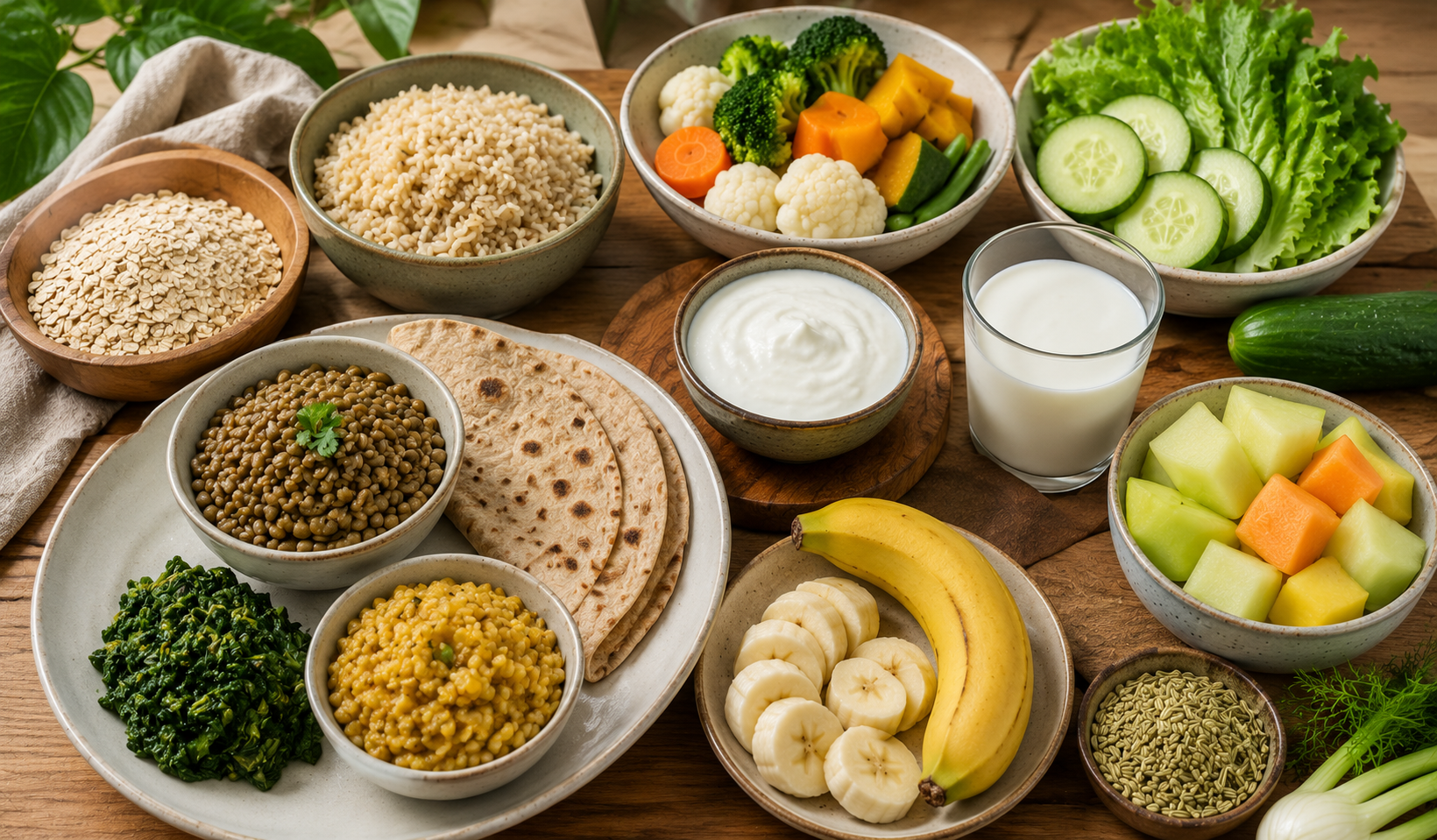
One of the most beneficial dietary additions for people experiencing reflux is fiber-rich foods. Research has linked higher fiber intake with a lower risk of acid reflux. Whole grains, lentils, beans, oats, vegetables, and brown rice not only improve digestion but also help maintain a healthy body weight. Excess abdominal weight can place pressure on the stomach, making it easier for acid to move into the oesophagus.
For South Asian households, foods such as whole wheat chapati, dal, chickpeas, kidney beans, barley, millet, and seasonal vegetables provide affordable and nutritious sources of dietary fiber. Nutrition experts recommend gradually increasing fiber intake while drinking enough water to support digestion.
Alkaline or low-acid foods
Another category receiving attention is alkaline or low-acid foods. These foods may help reduce irritation associated with stomach acid, although researchers say more studies are needed to confirm their direct effect on GERD symptoms.
Vegetables, potatoes, legumes, whole grains, nuts, seeds, and non-citrus fruits are among the foods considered less acidic. In South Asia, bananas, melons, cucumbers, bottle gourd, pumpkin, spinach, cauliflower, and fennel can easily be included in regular meals. While these foods are not a cure, they contribute to a balanced diet and overall digestive health.
Low-fat milk and yogurt
Experts also point to low-fat milk and yogurt as foods that may provide temporary relief for some individuals. Their cooling effect can soothe irritation in the mouth and throat during episodes of heartburn. Yogurt also contains probiotics that support a healthy balance of beneficial gut bacteria, which may contribute to improved digestive function.
However, specialists advise choosing low-fat or fat-free dairy products because high-fat foods may trigger reflux symptoms in some people. Individuals with lactose intolerance should consider lactose-free dairy alternatives after consulting a healthcare professional.
Water-rich foods
The fourth group includes water-rich foods, which can support hydration and help clear stomach acid from the oesophagus. Although drinking water does not neutralize stomach acid, adequate hydration may reduce discomfort following reflux episodes.
Watermelon, cucumber, celery, lettuce, and other fruits and vegetables with high water content are particularly helpful during hot South Asian summers, when dehydration can worsen digestive discomfort. These foods are also naturally low in calories, supporting healthy weight management.
Beyond food choices, doctors recommend several lifestyle habits that can reduce acid reflux. Eating smaller meals, avoiding late-night dinners, limiting spicy and fatty foods, reducing caffeine and alcohol intake, maintaining a healthy weight, and avoiding lying down immediately after eating are all widely recommended strategies.
Medical experts also stress that persistent or severe symptoms should never be ignored. Anyone experiencing difficulty swallowing, food becoming stuck in the chest, unexplained weight loss, persistent vomiting, vomiting blood, or black stools should seek medical attention without delay, as these symptoms may indicate more serious digestive conditions.
While dietary changes can help many people manage occasional heartburn, experts caution that they are not a substitute for medical care in individuals with frequent or severe GERD. Consulting a physician or a registered dietitian can help identify personal food triggers and develop a nutrition plan suited to individual health needs.
As digestive disorders continue to rise across South Asia, health professionals say combining balanced nutrition with healthy lifestyle habits remains one of the most effective long-term approaches to reducing acid reflux symptoms and improving overall digestive well-being.