ANKARA (Web Desk) – The military confrontation between the United States and Iran entered a dangerous new phase on Thursday as both countries exchanged fresh attacks, raising fears of a prolonged regional conflict and threatening global energy supplies.
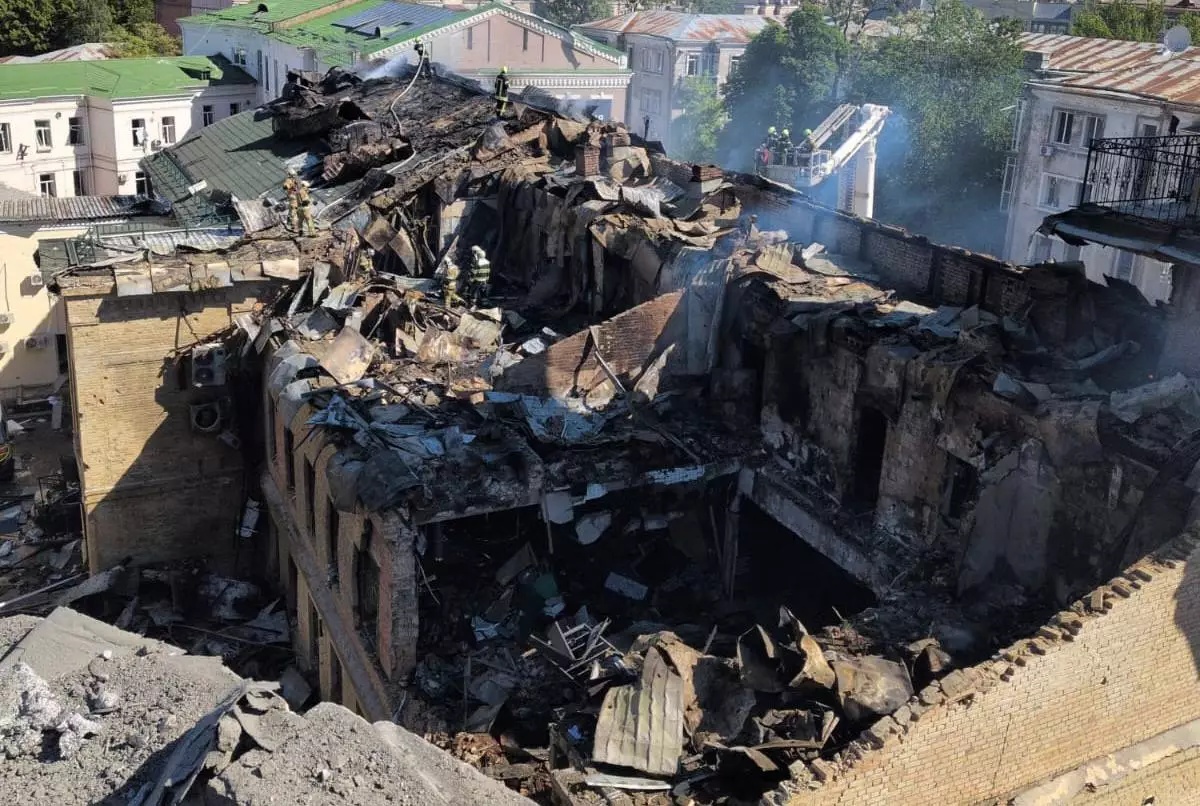
Iran’s Health Ministry confirmed that US airstrikes carried out over the past two days targeted five provinces, leaving at least 14 people dead and 78 others injured. Officials said dozens of wounded civilians remain hospitalized, while emergency teams continue rescue and relief operations in affected areas.
According to Iranian authorities, three people were killed in an attack near Ahvaz in Khuzestan province. Several strategic sites across southern Iran were also damaged during the strikes, including transportation routes and infrastructure linked to military installations.
The latest attacks came after the collapse of an already fragile ceasefire arrangement reached between Washington and Tehran last month. The temporary understanding had reduced hostilities for several weeks before renewed violence pushed both countries back toward direct confrontation.
US President Donald Trump warned that military action against Iran would continue if Tehran maintained attacks on commercial shipping and American interests in the Gulf region.
Speaking after the NATO summit in Ankara, Trump said the United States would respond with overwhelming force to any further Iranian action targeting international maritime routes.
American military officials said the latest operations were aimed at protecting freedom of navigation through the Strait of Hormuz, one of the world’s busiest oil shipping corridors. Washington accused Iran of threatening commercial vessels and endangering international trade.
Iran strongly rejected the allegations and described the American strikes as violations of international law. Iranian officials insisted their military actions were defensive responses to repeated attacks on their territory.
The Islamic Revolutionary Guard Corps (IRGC) announced that it had launched drone operations targeting what it described as US military facilities and strategic assets in Bahrain, Kuwait and Qatar.
Iran claimed the strikes targeted fuel storage sites, surveillance systems and military infrastructure connected with American forces stationed across the Gulf.
Authorities in Bahrain confirmed that air defense systems intercepted and destroyed several aerial threats before they reached their intended targets. Air raid sirens sounded across parts of the capital Manama, while residents were instructed to remain indoors until the security situation stabilized.
Kuwaiti officials also reported heightened security measures but released few operational details.
The renewed conflict has significantly disrupted maritime traffic through the Strait of Hormuz. International shipping companies have reportedly delayed or rerouted several commercial vessels due to security concerns.
Shipping data indicated that vessel movements through the strategic waterway dropped sharply, reflecting growing fears among operators over the safety of cargo ships and oil tankers navigating the region.
Energy analysts warned that prolonged disruption could affect global oil markets, although prices remained relatively stable compared with earlier peaks during the conflict.
Iranian military leaders warned that any further American attacks would trigger broader retaliation against additional US military installations across the region.
Meanwhile, Iran’s Foreign Ministry strongly criticized NATO Secretary General Mark Rutte after he expressed support for recent US military operations.
Tehran accused several European countries of assisting American military efforts by allowing the use of bases and logistical facilities during the conflict, describing such support as direct involvement in aggression against Iran.
France also blamed Tehran for escalating the crisis, saying attacks on commercial shipping violated previous understandings and complicated diplomatic efforts aimed at restoring peace.
Qatar called for restraint and renewed diplomatic engagement during a telephone conversation between Prime Minister Sheikh Mohammed bin Abdulrahman Al Thani and Iranian Foreign Minister Abbas Araghchi.
Doha condemned attacks on commercial vessels and urged all parties to honor previous agreements while pursuing dialogue instead of military escalation.
International observers fear that continued exchanges between Washington and Tehran could destabilize the wider Middle East, threaten global trade routes and complicate ongoing diplomatic efforts to restore regional stability.
Security experts say both sides now face increasing international pressure to prevent the conflict from expanding into a broader regional war involving additional countries and armed groups operating across the Gulf.