


ANKARA (Agencies) — President Donald Trump said on Wednesday that he believes the Memorandum of Understanding (MoU) between the United States and Iran “is over” after both sides exchanged military strikes across the Middle East, casting fresh uncertainty over diplomatic efforts aimed at easing regional tensions.
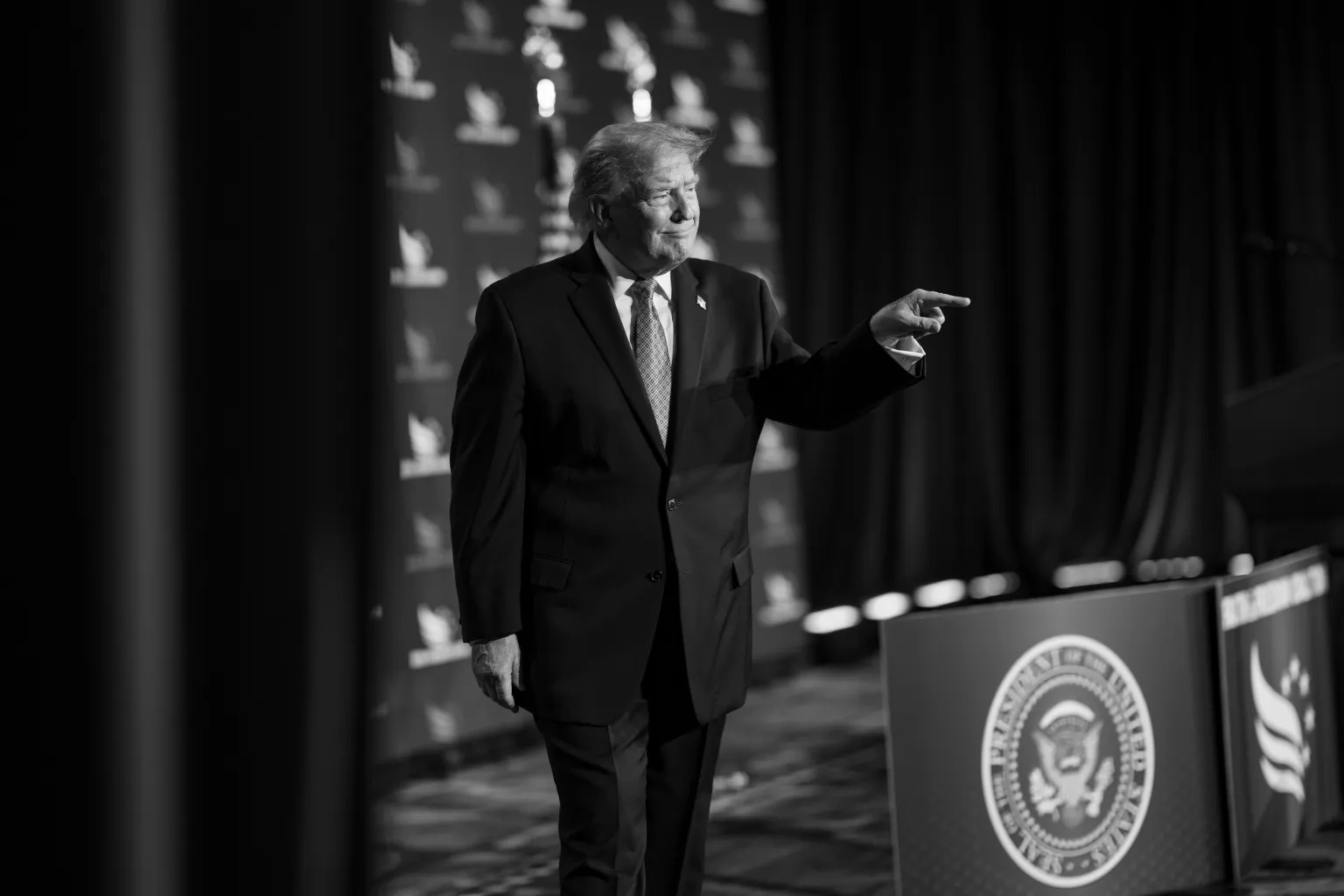
Speaking at the NATO summit in Ankara, Turkey, Trump accused Iran of violating the agreement by targeting commercial vessels in the Strait of Hormuz. He described Iranian authorities as “dirty players” and said continued negotiations were unlikely to produce meaningful results.
“I’ll let my negotiators keep talking if they want,” Trump said. “But we’re wasting time talking with Iran. I’d rather do our business.”
His remarks came after Iran’s Islamic Revolutionary Guard Corps (IRGC) claimed responsibility for attacks on American military targets in Bahrain and Kuwait. Tehran said the strikes were carried out in retaliation for US military operations and Washington’s decision to reimpose sanctions on Iranian oil exports.
The renewed sanctions reverse a key concession made under the 60-day Memorandum of Understanding reached in June. The temporary waiver had allowed foreign investment in Iran’s oil sector in exchange for Tehran reopening the Strait of Hormuz, a strategic waterway through which around one-fifth of global oil supplies pass.
Energy analysts say the return of sanctions could significantly reduce Iran’s oil revenues, which account for roughly half of the country’s government income. However, the more immediate concern for global markets is the security of shipping through the Strait of Hormuz.
Oil prices rose sharply on Wednesday as investors reacted to the latest attacks near the vital maritime route, raising fears of further disruptions to global energy supplies.
Meanwhile, analysts said the latest confrontation exposed weaknesses in the Memorandum of Understanding, with Washington and Tehran interpreting its provisions differently.
Some experts argue Iran believes commercial shipping should coordinate with Tehran during the interim agreement, while the United States maintains that vessels should be able to transit freely without Iranian approval. The conflicting interpretations have contributed to the latest escalation.
The developments unfolded as NATO leaders gathered in Ankara for a summit focused on defence spending and regional security. During the meeting, Trump also renewed his claim that Greenland should be under US control, while Denmark reiterated that the Arctic island is not for sale.
Separately, funeral ceremonies for Iran’s slain Supreme Leader Ayatollah Ali Khamenei continued on Wednesday in Iraq’s holy city of Najaf after his remains were flown from Iran. Thousands of mourners joined the procession before the body was scheduled to continue to Karbala ahead of burial in Iran on Thursday.
The renewed military confrontation has increased concerns over the future of US-Iran relations and the stability of the Gulf region, with markets and governments closely monitoring whether the conflict expands further.