



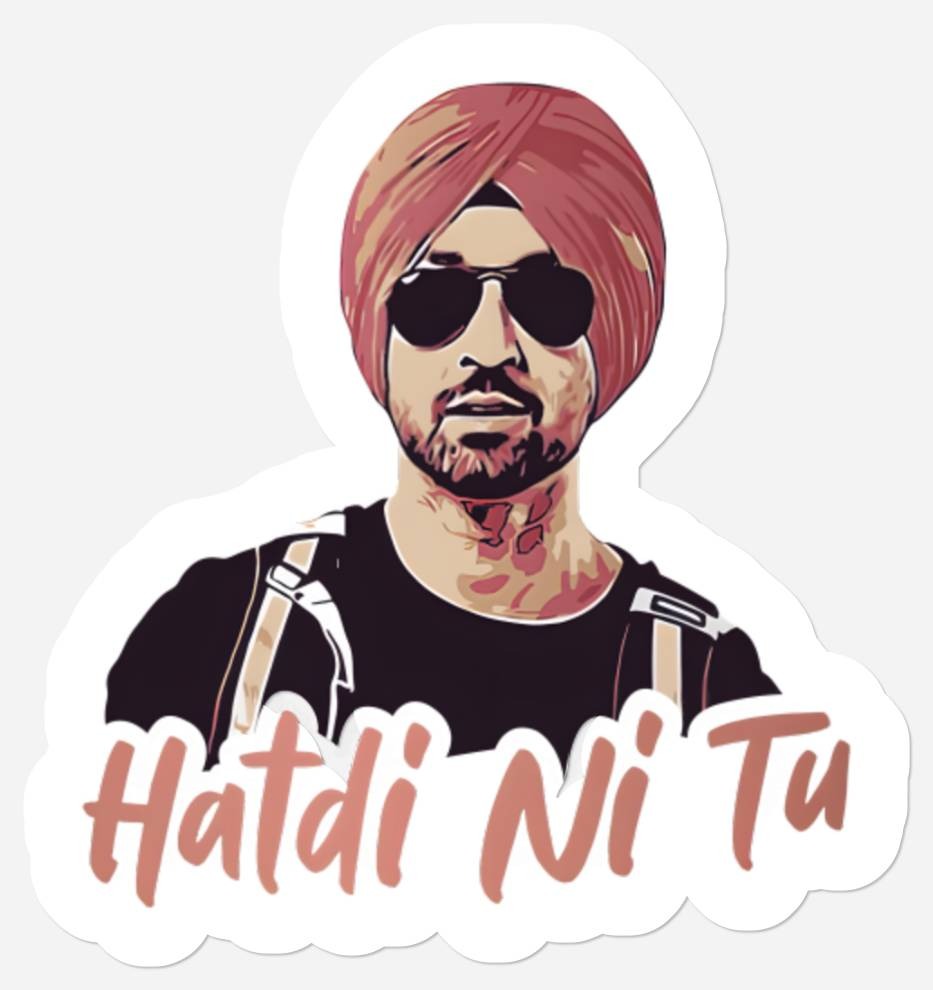
(Web Desk) – The controversy surrounding Satluj, starring Punjabi singer and actor Diljit Dosanjh, has taken a new turn after veteran Punjabi singer Jasbir Jassi claimed the film continues to reach audiences worldwide despite being removed from the Indian streaming platform Zee5 shortly after its release.
Speaking in a recent interview, Jassi said the film remains widely available outside India through informal digital sharing, particularly among overseas Punjabi communities. According to him, audiences in countries including the United States are still watching the film, while copies have spread rapidly through messaging applications.
His remarks have reignited debate over the film’s sudden disappearance from India’s streaming platform and raised broader questions about censorship, digital distribution and the effectiveness of content restrictions in the internet age.
Jassi said the film’s removal from Zee5 India has not prevented viewers from accessing it. Instead, he claimed the controversy surrounding the movie has encouraged more people to search for and share it online.
According to him, the film has circulated extensively through WhatsApp groups and personal file sharing. He suggested that the level of digital circulation is unprecedented, with many users forwarding copies repeatedly among friends and family.
The singer questioned the decision to withdraw the film, maintaining that nothing in its storyline justified such action. He argued that the movie presents historical events and encourages discussion rather than promoting unlawful content.
The film was originally developed under the title Punjab 95 and is based on the life of renowned human rights activist Jaswant Singh Khalra, who documented the alleged disappearance and unlawful killings of thousands of people in Punjab during the militancy period of the 1980s and 1990s.
Khalra became internationally known for exposing claims of secret cremations allegedly carried out during anti-insurgency operations. His disappearance and subsequent death later became one of the most discussed human rights cases in India’s modern history.
Directed by Honey Trehan, the project remained delayed for several years while awaiting certification from India’s Central Board of Film Certification (CBFC).
The filmmaker previously stated that the board proposed more than one hundred edits before granting approval, a demand that sparked criticism from filmmakers, artists and free speech advocates.
The film was also scheduled for screening at the Toronto International Film Festival but did not appear in the final programme after reported objections from Indian authorities.
Following years of delays, the film finally premiered on Zee5 under the new title Satluj. However, it was removed from the platform in India soon after its release, surprising audiences and triggering widespread discussion across social media.
Neither the streaming platform nor authorities issued a detailed public explanation for its removal, leaving viewers and members of the film industry questioning the decision.
The controversy has drawn reactions from filmmakers, actors, journalists and civil rights advocates, many of whom argue that artistic works based on historical events should remain available for public viewing.
Supporters believe the film highlights an important chapter of history and contributes to discussions on accountability, justice and human rights.
Critics of the removal argue that restricting access only increases public curiosity and often results in wider unofficial circulation through digital platforms.
Media analysts note that messaging applications and peer-to-peer sharing have made it increasingly difficult to limit the distribution of digital content once it has been released online.
Experts say that while official streaming services can remove films from their libraries, copies frequently continue circulating through private networks, cloud storage services and encrypted messaging applications.
The situation has once again highlighted the growing challenge facing governments and content platforms attempting to regulate digital media in an era where information can spread globally within minutes.
Meanwhile, Satluj continues attracting international attention among Punjabi communities living abroad, where discussions surrounding the film have intensified following its removal from India.
Besides Diljit Dosanjh, the film features performances by Kanwaljeet Singh, Arjun Rampal, Suvinder Vicky and Geetika Vidya Ohlyan in significant roles.
Industry observers believe the controversy has significantly increased public interest in the film and may ultimately expand its international audience despite its limited official availability.
As debate over censorship, historical storytelling and creative freedom continues, Satluj remains one of the most talked-about South Asian films of the year, with its online circulation ensuring the discussion surrounding its message shows little sign of fading.