


By Our Correspondent
ISLAMABAD — In a rapidly changing world, traditional education is no longer the only key to success. With artificial intelligence, digital platforms, and online businesses reshaping the global economy, young people need practical skills to survive — and lead — in the modern era. Pakistan, home to one of the world’s largest youth populations, faces a pressing challenge: how to equip its young generation with the tools to compete globally.
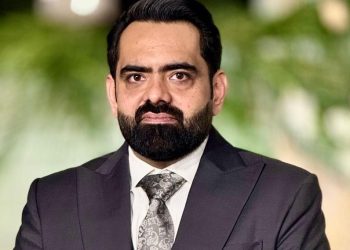
Muhammad Anas Ali, Pakistani tech expert and entrepreneur who is redefining the idea of success. Unlike many of his peers, Anas Ali does not measure achievement by degrees or certificates. His focus is on skills, technology, and practical learning — areas he believes can transform the future of Pakistan’s youth.
From humble beginnings, Anas Ali has lived a story of ambition, perseverance, and innovation. Once traveling on a 70cc motorcycle, he now owns some of the world’s most luxurious cars, including becoming one of the youngest Bugatti buyers. Yet beyond these symbols of success lies a deeper narrative: years of disciplined work, continuous learning, and a belief that practical skills outweigh formal education.
Born in an environment where academic qualifications were considered the ultimate path to success, Anas Ali chose a different route. He stepped away from conventional education to focus on mastering technology, digital marketing, online businesses, and entrepreneurship. His decision, initially met with criticism and doubt, eventually proved its worth.
Through years of consistent effort, experimentation, and learning, Anas Ali built sustainable online businesses and created multiple income streams. Technology became his strongest tool, allowing him to reach global markets, achieve financial independence, and inspire others.
However, Anas Ali’s ambitions go beyond personal achievement. Representing Generation Z, he aims to address the challenges faced by millions of Pakistani youth who remain unemployed or underemployed despite earning degrees. He believes the country’s greatest strength is its youth — a potential that remains untapped due to outdated education models and limited access to practical training.
Anas Ali envisions a Pakistan where young people are trained in high-demand technological skills rather than solely pursuing degrees. He predicts that by 2026, technology-driven fields such as artificial intelligence, IT, e-commerce, and online services will dominate the job market. Without relevant skills, millions risk being left behind.
“Education should be a right, not a privilege,” says Anas Ali. He advocates for skill-based learning that empowers youth to earn, innovate, and contribute meaningfully to the economy. With online businesses and remote work removing geographical limitations, Pakistani youth now have the opportunity to compete globally — if given proper guidance, tools, and mentorship.
Despite his international exposure and luxurious lifestyle, Anas Ali remains deeply connected to Pakistan’s realities. He frequently highlights the frustration of unemployed graduates and young people who spend years earning degrees but lack market-relevant skills, calling it not only an economic problem but a national challenge.
Looking ahead, Anas Ali has set an ambitious goal: to provide technology training to two million Pakistani youths. By equipping them with in-demand skills, he believes Pakistan can reduce unemployment, boost entrepreneurship, and strengthen its position in the global digital economy.
Muhammad Anas Ali’s message is clear — Pakistan must move beyond degrees and focus on skills. With technology-related jobs expected to rise sharply by 2026, he dreams of creating a generation of young Pakistanis ready to innovate, compete, and lead.