


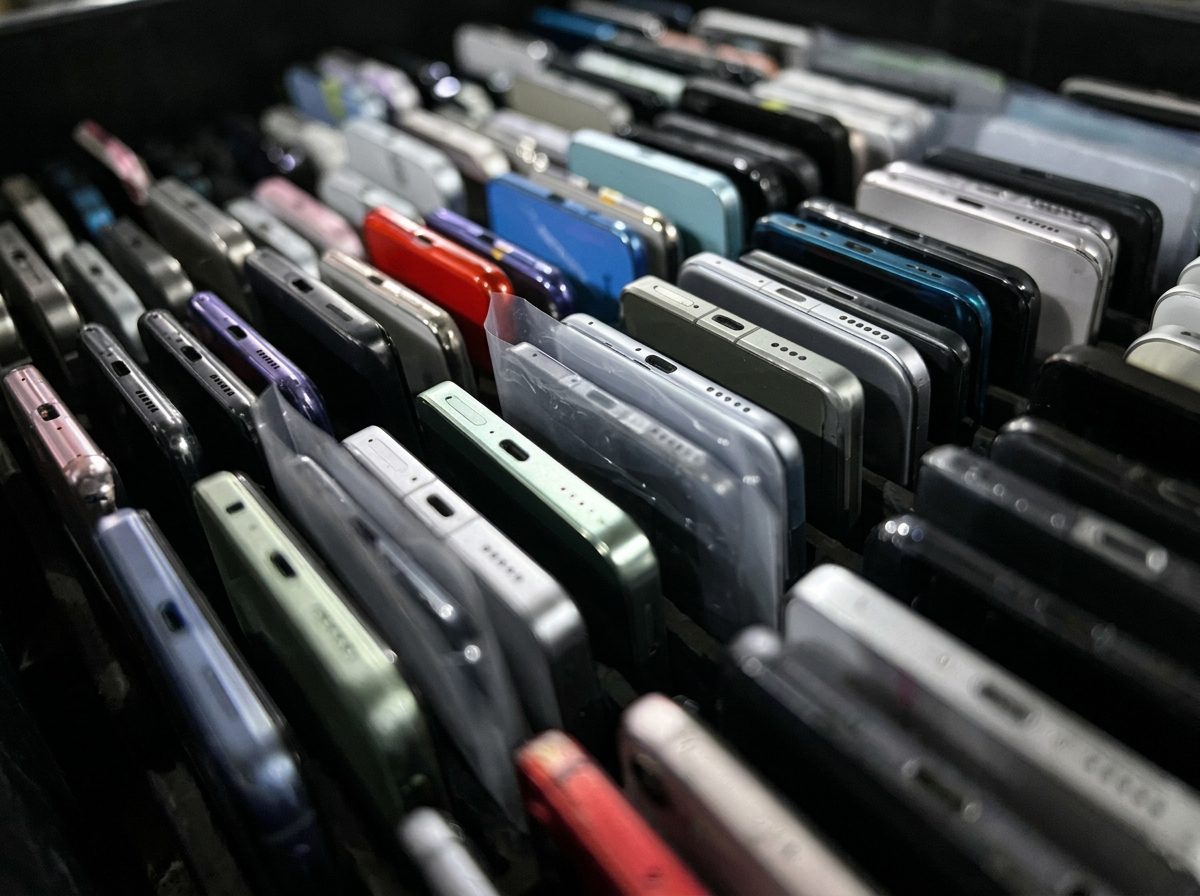
The electronics market in Shenzhen’s Huaqiangbei district has become a major destination for traders from Pakistan, Africa, Bangladesh and other countries seeking affordable smartphones in bulk.
Pakistani businessman Akhtar Muhammad, who regularly visits China to purchase electronic devices, said used and damaged mobile phones were being collected from different parts of the country and brought to Shenzhen for resale.
He said many of the devices purchased by Pakistani traders were repaired locally before being sold to consumers looking for affordable alternatives to expensive new smartphones.
The growing trade reflects changing consumer behaviour as rising smartphone prices and limited purchasing power encourage people in developing markets to choose pre-owned devices rather than purchase new ones.
According to estimates from the China Association of Circular Economy, more than 400 million mobile devices are discarded in China every year, creating a substantial supply for the second-hand electronics industry.
The global secondary smartphone market is also expanding rapidly. Research estimates indicate that worldwide sales of pre-owned smartphones increased by 13 per cent year-on-year during the first half of 2026, reaching approximately 150 million units.
Industry analysts say South Asian and African markets are particularly important destinations for used smartphones because consumers in these regions often prioritise affordability and long-term device use.
In Pakistan, many consumers prefer repairing their existing smartphones or purchasing refurbished models instead of replacing their devices frequently.
Traders say older premium smartphones, particularly previous-generation iPhones, remain popular because of their brand reputation and relatively lower prices in the second-hand market.
Alongside traditional electronics markets, organised second-hand smartphone businesses are also expanding in China.
One such marketplace, operated by recycling company ATRenew, offers thousands of used devices through a structured buying system. Customers can scan QR codes to access inspection reports, check device conditions and compare prices before purchasing.
The marketplace reportedly attracts hundreds of visitors daily, including international traders who purchase smartphones in large quantities for overseas markets.
At a major processing facility in Dongguan, thousands of used electronic devices are received every day for inspection, testing, grading and packaging before being returned to the market.
Apple devices account for a significant share of second-hand smartphone sales, while Chinese brands such as Huawei, Xiaomi, Oppo and Vivo also have a presence in the market.
Older iPhone models, including the iPhone 11, 12 and 13 series, continue to attract overseas buyers despite losing popularity among some consumers in China.
For Pakistani traders, the business offers opportunities to meet local demand for affordable smartphones while building connections with China’s extensive electronics supply chain.
However, buyers must carefully assess battery health, screen condition, repair history, authenticity and software compatibility before purchasing used devices in bulk.
The expanding second-hand smartphone trade highlights how recycling, refurbishment and international resale are creating new opportunities in the global electronics industry, particularly in countries where affordable technology remains in high demand.