


Read More: Trump holds separate calls with Putin, Zelensky as Crimea strike raises tensions
The meetings will begin with the Association of Southeast Asian Nations (ASEAN) summit in Manila on Sunday, followed by a Francophonie gathering in Phnom Penh and the annual Asia-Pacific Economic Cooperation (APEC) conference in Shenzhen, China.
The gatherings are expected to draw United States President Donald Trump, Chinese President Xi Jinping, Russian President Vladimir Putin, Indian Prime Minister Narendra Modi, French President Emmanuel Macron and Canadian Prime Minister Mark Carney.
The concentration of senior leaders offers an opportunity for diplomatic engagement at a time of growing competition between major powers, uncertainty over global trade and continuing conflicts in several regions.
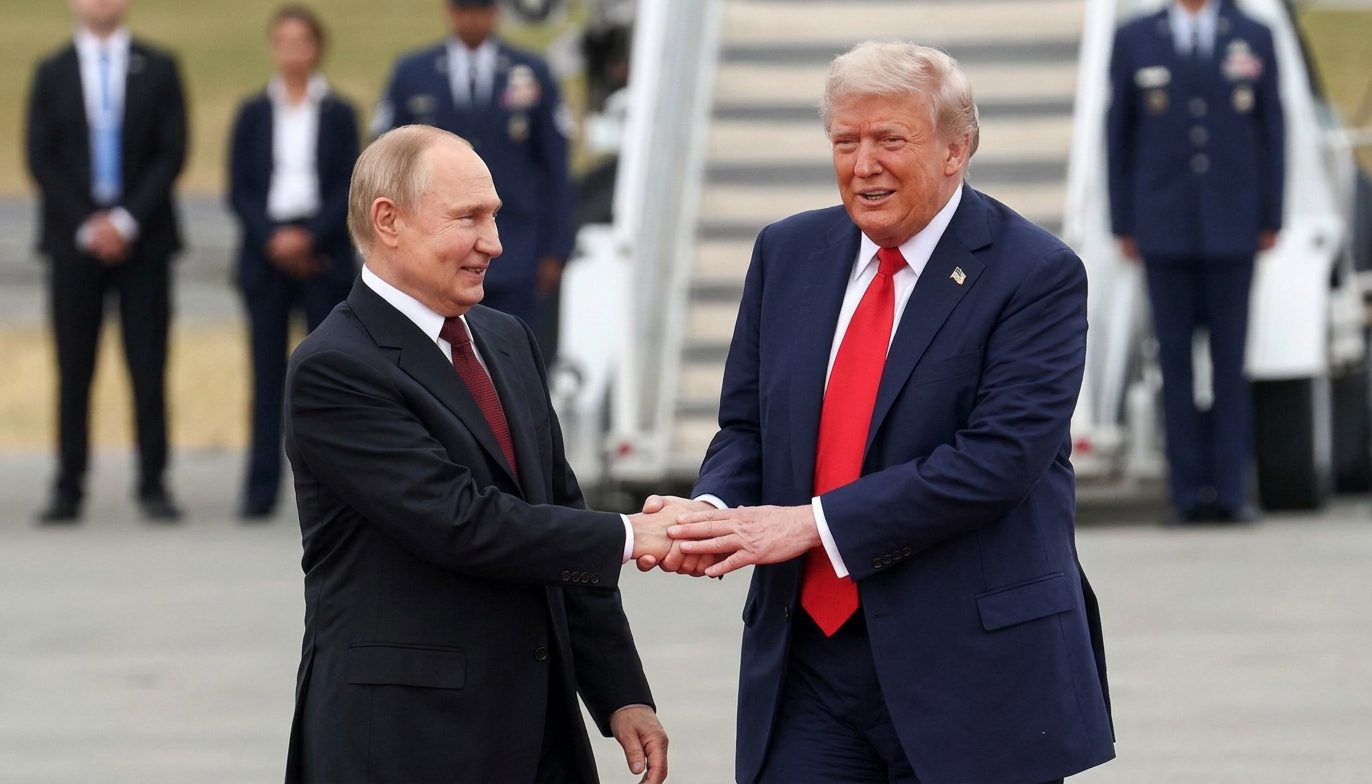
A possible meeting involving Trump, Xi and Putin is expected to attract particular attention at the APEC gathering. Discussions could include nuclear disarmament, the war in Ukraine and the conflict involving Iran, although the precise agenda and likelihood of concrete agreements remain uncertain.
Trump has indicated an interest in discussing nuclear arms control and reducing the risk of further conflict. Putin, meanwhile, has sought discussions on Ukraine, while Beijing is expected to approach any negotiations cautiously.
The three leaders could use the meeting to establish broad principles for future dialogue, but major commitments may prove difficult given their countries’ competing security interests.
The diplomatic significance of such a gathering could nevertheless be considerable, even if it produces no immediate agreement. Direct engagement among Washington, Beijing and Moscow would provide an opportunity to communicate positions on some of the most sensitive international issues.
Artificial intelligence is also expected to feature prominently at APEC, reflecting growing concerns about the technology’s rapid development and potential security risks.
The United States and China have agreed to establish a communication channel for addressing AI-related incidents. The arrangement could provide a basis for further discussions on preventing accidents, managing emerging threats and ensuring that advanced systems remain subject to human oversight.
Despite their rivalry in technology and competition over semiconductor industries, both countries face shared concerns about the possible use of artificial intelligence in cyberattacks, biological weapons development and the disruption of critical infrastructure.
The challenge will be translating general agreement on safety into practical cooperation. Differences over regulation, national security and technological advantage could limit the scope of any joint measures.
The expected presence of major technology figures and growing scrutiny of the industry may also add pressure to the discussions.
In Manila, ASEAN leaders are likely to face difficult questions over maritime security and the South China Sea, where overlapping territorial claims have repeatedly strained relations between China and Southeast Asian countries.
The Philippines, which holds the rotating ASEAN chair, has sought progress towards a Code of Conduct governing activities in the disputed waterway. However, negotiations have faced persistent obstacles, and expectations of a breakthrough remain limited.
Disagreements over maritime boundaries, military deployments and access to contested waters have complicated efforts to establish common rules. The continued militarisation of some disputed features has further weakened confidence among regional governments.
The meetings will also take place against a difficult international trade backdrop. Washington and Beijing have maintained a temporary pause in their trade confrontation, but disputes over tariffs, technology restrictions and Chinese rare-earth exports continue to create uncertainty.
For other economies attending the summits, the priority will be limiting the economic impact of tensions between the two largest global trading powers.
Trump’s tariff policies are expected to remain a central concern for regional governments. Any substantial change would depend largely on decisions by the US president and his administration, leaving limited scope for other participants to influence Washington’s immediate approach.
The gatherings are therefore likely to focus on dialogue and maintaining existing arrangements rather than securing sweeping trade concessions.
For ASEAN members, the meetings also provide an opportunity to reinforce regional cooperation and protect economic interests amid intensifying competition among major powers.
With nuclear security, artificial intelligence, maritime disputes and trade all on the agenda, the coming diplomatic meetings will test whether global leaders can maintain communication despite deep political and strategic differences.