



By M Qadeer
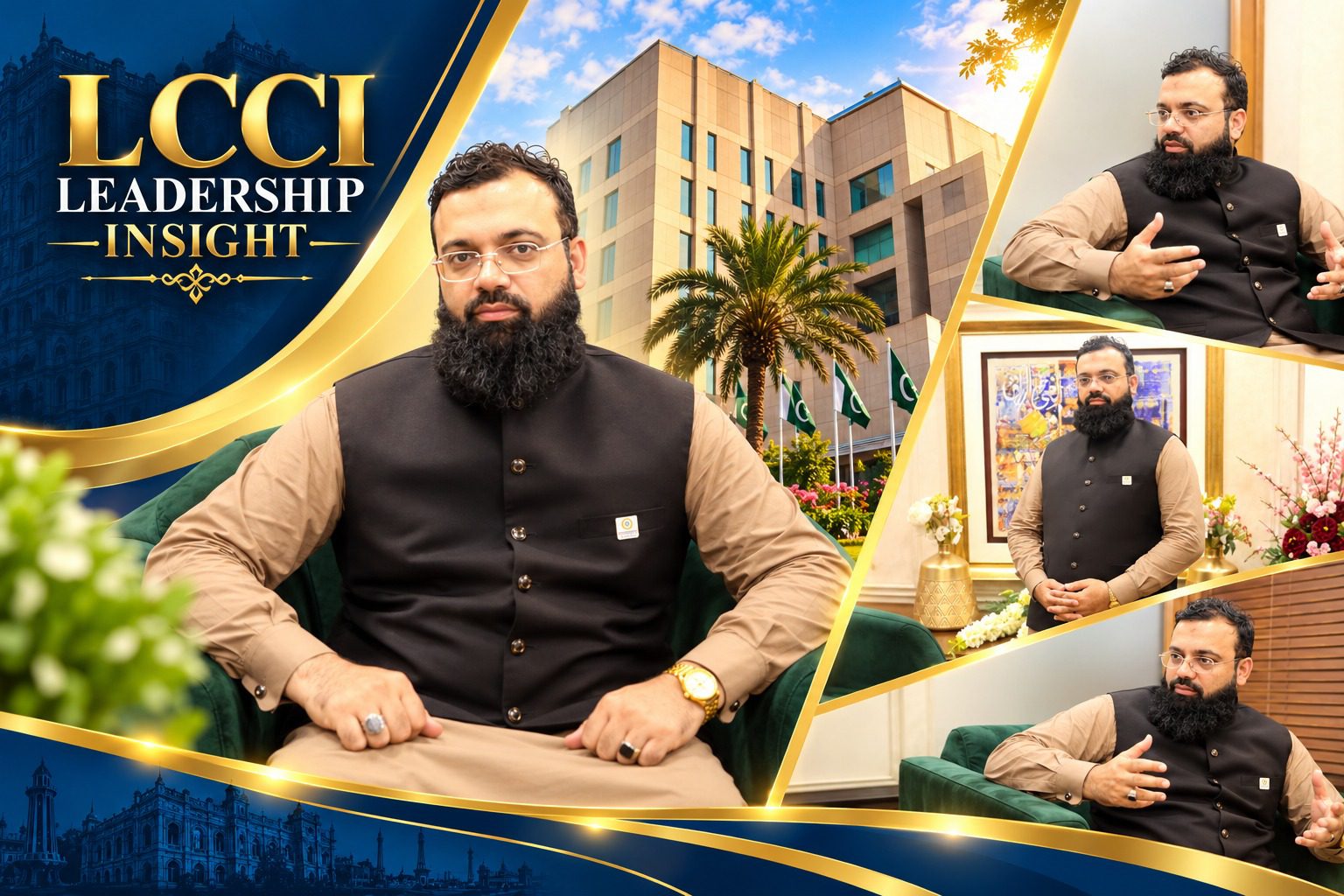
LAHORE: Pakistan needs a business-friendly environment in which legitimate importers can operate without unnecessary obstacles, smuggling is effectively curbed, government revenue is protected and traders are treated with dignity, says Haji Adeel Babar, a renowned businessman and newly elected member of the Executive Committee of the Lahore Chamber of Commerce and Industry (LCCI).
Babar, chief executive officer of Baba Fareed Electric Company, believes that addressing the practical difficulties faced by the business community requires close collaboration between government institutions, enforcement agencies, trade associations and business leaders, particularly the LCCI.
Read also: LCCI Leadership Insight: Ali Raza calls for respect and fair treatment of Lahore’s traders
With more than two decades of experience in the import and trading business, Babar has developed an understanding of the challenges associated with international trade, the availability of imported products, market competition and the regulatory environment in which Pakistani businesses operate.
His business activities include the import and trading of copper, CCTV cables, miniature circuit breakers (MCBs) and other electrical products, including goods sourced from China.
He believes that the problems confronting importers cannot be addressed through isolated administrative measures. Instead, Pakistan needs a coordinated approach that facilitates lawful trade, improves regulatory procedures, discourages illegal imports and creates a level playing field for businesses operating within the formal economy.
As a newly elected LCCI Executive Committee member, Babar says that the concerns of traders and industrialists should receive serious attention from policymakers. He considers the chamber an important platform for presenting these issues, engaging with government departments and pursuing practical solutions.
Visa facilitation is essential for international trade
Babar identifies visa-related difficulties as one of the issues requiring attention from the authorities, particularly for businessmen who need to travel abroad to develop commercial relationships, identify suppliers and negotiate import arrangements.
International travel is an important part of modern trade. Importers often need to meet manufacturers, inspect products, negotiate prices, evaluate suppliers and establish long-term business relationships. These activities can help them improve product quality, manage costs and maintain reliable supply chains.
However, difficulties in obtaining visas, lengthy processing procedures and uncertainty surrounding travel arrangements can complicate business planning.
For importers dealing with overseas markets, delays may affect meetings, negotiations and commercial commitments. They may also make it more difficult to respond promptly to changes in prices, demand and product availability.
Babar believes that legitimate business travellers should have access to transparent, efficient and predictable visa procedures.
He advocates stronger engagement between Pakistan’s trade bodies and the relevant diplomatic missions to explore practical ways of facilitating genuine business travel, while respecting the immigration requirements of destination countries.
According to this approach, recognised business organisations can help communicate the needs of their members and support appropriate verification procedures where required.
The objective, he believes, should be to ensure that genuine entrepreneurs can pursue international business opportunities without avoidable administrative difficulties.
Improved visa facilitation could also help Pakistani businesses explore new suppliers, expand commercial networks and identify opportunities in international markets.
For a country seeking to increase exports, improve industrial competitiveness and attract investment, Babar believes that facilitating legitimate business engagement with the world deserves greater attention.
Importers need a predictable and business-friendly regulatory environment
Drawing on his experience in the electrical goods trade, Babar believes that import-related difficulties deserve a more coordinated response from the relevant authorities.
Importers operate within a chain of activities that includes identifying overseas suppliers, arranging payments, completing documentation, meeting applicable regulatory requirements and transporting goods to local markets.
Uncertainty at any stage can complicate business operations and increase costs.
For businesses dealing in electrical equipment and accessories, reliable access to imported products is particularly important because retailers, contractors, wholesalers and other commercial customers depend on consistent supplies.
Babar believes that importers should be able to understand the applicable rules, plan their transactions accordingly and complete the required procedures without unnecessary complications.
He calls for greater clarity, transparency and coordination among the institutions responsible for regulating imports.
Where businesses face difficulties in documentation, clearance or the interpretation of applicable requirements, effective channels should be available to help resolve legitimate concerns.
The business community also needs timely information about regulatory changes so that importers can adjust their purchasing and financial plans.
Babar believes that a predictable environment would help businesses make better commercial decisions, manage their inventories and maintain supplies to domestic markets.
He does not advocate exemptions from the law for importers. Rather, he emphasises the need for regulations to be applied consistently and procedures to be administered efficiently.
A well-functioning import regime, in his view, should protect the public interest while allowing legitimate businesses to operate competitively.
He believes that LCCI can play a constructive role by collecting feedback from importers, identifying recurring administrative problems and presenting evidence-based proposals to the relevant government departments.
Smuggling threatens legitimate businesses and government revenue
Babar identifies smuggling as another serious concern for Pakistan’s trading community.
He believes that the growing challenge posed by illegally imported goods requires effective enforcement and closer coordination among the institutions responsible for border management, customs regulation and market oversight.
Smuggling can create unfair competition for businesses that import goods through lawful channels, pay applicable duties and taxes and comply with regulatory requirements.
When goods enter the market without the required legal formalities, their sellers may gain a price advantage over compliant businesses. Legitimate importers can consequently face pressure on their margins, even when they have fulfilled their legal obligations.
This situation can undermine confidence among entrepreneurs who invest capital in lawful trading activities.
Babar also stresses the importance of protecting government revenue. Where goods are smuggled into the country and applicable duties and taxes are evaded, the public exchequer may lose revenue that would otherwise be payable under the law.
He believes that the authorities should strengthen intelligence-led enforcement, improve coordination between relevant departments and take appropriate action against those involved in illegal trade.
At the same time, enforcement should be directed at unlawful activities on the basis of evidence and applicable legal procedures.
Babar believes that legitimate importers should not be placed at a disadvantage because of weaknesses in the enforcement system.
He argues that effective action against smuggling would help create a more equitable trading environment, protect compliant businesses and support the government’s revenue objectives.
However, enforcement alone cannot address every problem. He believes that simpler procedures, greater transparency and effective facilitation for lawful importers should complement efforts to curb illegal trade.
The broader objective should be to make compliance practical and predictable while ensuring that violations are dealt with appropriately.
For Babar, protecting legitimate trade and protecting government revenue are complementary goals rather than competing priorities.
Fire safety must become a priority in commercial markets
Babar believes that fire safety in commercial markets requires serious and sustained attention from traders, market associations and the relevant government departments.
Markets dealing in electrical equipment and other goods can face particular safety challenges when electrical installations, storage arrangements, access routes and emergency facilities are not properly maintained.
A fire can destroy merchandise, damage commercial premises, disrupt livelihoods and put workers, customers and neighbouring businesses at risk.
The consequences may extend beyond the premises where an incident begins, particularly in crowded markets where shops are closely situated.
Babar believes that fire prevention should not be treated merely as a formal requirement or a concern that arises after an accident. Instead, safety arrangements should be maintained as part of the routine management of commercial markets.
He calls for greater awareness among traders, regular assessment of potential hazards and practical measures to improve emergency preparedness.
These may include maintaining accessible exits, ensuring that emergency routes remain unobstructed, providing appropriate fire extinguishers, checking electrical installations and making suitable emergency arrangements in accordance with applicable safety requirements.
Market associations can help coordinate awareness initiatives and encourage traders to identify and address common risks.
The relevant authorities, meanwhile, should provide clear guidance and undertake appropriate inspections to ensure compliance with safety standards.
Babar believes that constructive collaboration can help improve safety without creating unnecessary disruption to legitimate business activities.
Where deficiencies are identified, traders should understand what corrective measures are required and be given appropriate guidance in accordance with the applicable rules.
He maintains that protecting lives, commercial property and the continuity of business should be a shared responsibility.
A safer market environment would benefit traders, employees, customers and the wider community.
CCTV cameras can improve security and accountability
Babar also highlights the importance of CCTV surveillance in commercial markets as part of broader efforts to improve security and strengthen accountability.
Busy markets attract traders, customers, transporters, suppliers and other visitors throughout the day. Maintaining a secure environment is therefore important for the smooth functioning of commercial activity.
Appropriately installed CCTV cameras can help deter certain offences, support the investigation of reported incidents and provide relevant evidence when disputes arise.
They may also help market management identify security weaknesses and coordinate responses to incidents.
Babar believes that market associations should explore practical arrangements for installing and maintaining surveillance systems where appropriate, in consultation with traders and the relevant authorities.
Such arrangements should take account of the specific security needs of each market, available resources and applicable legal requirements.
He stresses that CCTV systems should be installed and operated responsibly, with due regard for privacy, lawful access to recordings and the proper handling of information.
Surveillance should complement, rather than replace, effective policing, emergency preparedness and cooperation among traders.
Babar believes that a secure commercial environment can improve confidence among businesses and customers alike.
For markets dealing in valuable merchandise, including electrical equipment, better security arrangements can also support the protection of property and help establish a more orderly trading environment.
He sees cooperation between market associations, LCCI and law enforcement agencies as an important element of a practical approach to market security.
Harassment in markets must end
Babar believes that traders should be able to conduct lawful business without harassment, intimidation or unnecessary interference.
He argues that the dignity of the business community must be respected by all institutions and individuals dealing with traders and industrialists.
Businesses already face commercial pressures associated with competition, operating costs, changing demand and regulatory compliance. Unnecessary confrontation in commercial markets can add to these difficulties and weaken confidence.
Babar believes that genuine complaints of harassment should be taken seriously and addressed through appropriate procedures.
At the same time, legitimate inspections and enforcement actions carried out within the law should be distinguished from conduct that is arbitrary, intimidating or otherwise improper.
The distinction is important because businesses must comply with applicable regulations, while enforcement agencies must exercise their powers responsibly.
Babar calls for transparent procedures, professional conduct and effective complaint-handling mechanisms so that disputes can be resolved on their merits.
Where traders believe that they have been treated unfairly, they should have access to appropriate channels through which they can present their concerns and seek a lawful remedy.
Similarly, businesses should cooperate with legitimate investigations and fulfil their obligations under the law.
He believes that a relationship based on mutual respect would help reduce avoidable tensions and encourage better cooperation between the business community and public institutions.
The objective, he maintains, should be to create an environment in which lawful businesses can operate with confidence and public authorities can carry out their responsibilities effectively.
LCCI should strengthen collaboration between business leaders and the government
Babar sees the Lahore Chamber of Commerce and Industry as an important platform for bringing together the concerns of traders, importers and industrialists.
As a newly elected member of the LCCI Executive Committee, he believes that collective representation can help businesses communicate common difficulties more effectively than isolated efforts.
The chamber’s role, in his view, should include identifying recurring problems, consulting affected businesses, developing practical proposals and engaging with the relevant authorities.
Visa facilitation, import procedures, action against smuggling, fire safety, CCTV surveillance and the prevention of harassment are different issues, but all have implications for the confidence and day-to-day operations of the business community.
Babar believes that these matters require engagement with the government departments and institutions responsible for addressing them.
Business leaders can contribute by providing information about the difficulties faced by their members and proposing realistic improvements.
Government institutions, in turn, can benefit from understanding the operational realities of commercial markets and the consequences of administrative decisions for legitimate businesses.
Babar believes that regular dialogue can help identify workable solutions, clarify responsibilities and reduce unnecessary misunderstandings.
He also emphasises the importance of cooperation among market associations, traders’ groups and chamber representatives.
Different markets may face different challenges, but a coordinated approach can help identify shared concerns and establish priorities for engagement with policymakers.
For him, the value of LCCI lies not only in representing business interests but also in helping develop constructive relationships between entrepreneurs and the institutions that regulate commercial activity.
A collective vision for Lahore’s business community
Babar believes that improving conditions for traders and industrialists requires sustained cooperation rather than isolated interventions.
Facilitating legitimate international business travel can help importers develop commercial relationships. More predictable import procedures can improve planning and supply chains. Effective action against smuggling can protect compliant businesses and government revenue.
Similarly, stronger fire-safety arrangements, appropriate CCTV surveillance and effective mechanisms for addressing harassment can help create safer and more secure commercial markets.
These priorities, he believes, should form part of a broader effort to improve the business environment in Lahore and beyond.
He argues that traders and industrialists should be recognised as important contributors to economic activity, employment and the supply of goods to consumers.
At the same time, businesses must fulfil their legal responsibilities, maintain appropriate safety standards and cooperate with lawful regulatory requirements.
Babar believes that the most effective approach is one that combines responsible business practices with transparent administration, proportionate enforcement and meaningful consultation.
He sees LCCI as a key platform for bringing these objectives together and helping the business community communicate its concerns to the relevant authorities.
For him, the ultimate goal is straightforward: legitimate businesses should be able to trade, invest and grow in an environment that is fair, secure and predictable.
As a newly elected LCCI Executive Committee member, Haji Adeel Babar believes that stronger collaboration between business leaders and government institutions can help address importers’ difficulties, curb smuggling, protect public revenue and restore confidence among Lahore’s traders and industrialists.
Profile: Haji Adeel Babar, a newly elected LCCI Executive Committee member
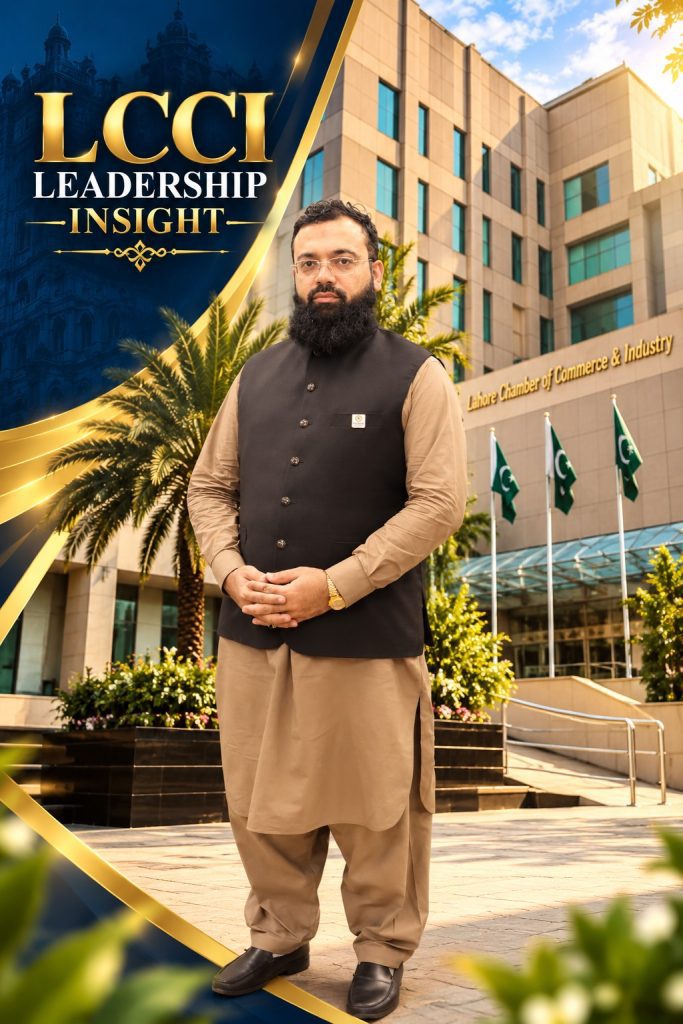
Haji Adeel Babar is a Lahore-based businessman and chief executive officer of Baba Fareed Electric Company. He is a newly elected member of the Executive Committee of the Lahore Chamber of Commerce and Industry.
With 23 years of business experience, Babar is involved in import and trading activities, including the import of copper, CCTV cables, miniature circuit breakers and other electrical products. His business experience includes international trade, supplier relationships and the challenges associated with importing and distributing goods in the domestic market.
He completed his F.A. and matriculation through the Board of Intermediate and Secondary Education, Lahore, and holds a four-year diploma in Architecture Technology from the Government College of Technology, Railway Road, Lahore.
As an LCCI Executive Committee member, Babar emphasises the need for a business-friendly environment, streamlined import procedures, action against smuggling, protection of government revenue, improved fire safety and security in commercial markets, and an end to harassment of traders.
He advocates constructive collaboration between business leaders, LCCI and the relevant government institutions to address legitimate commercial concerns and promote a fairer, safer and more predictable trading environment.