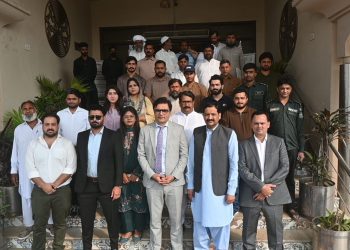



KARACHI (Web Desk) – Karachi Traffic Police have unveiled a comprehensive traffic reform plan that includes restricting the operation of non-metered rickshaws, expanding digital traffic enforcement and introducing new measures to improve road safety across the country’s largest city.
The proposed policy, announced by DIG Traffic Pir Muhammad Shah, is aimed at reducing congestion, improving public transport standards and strengthening compliance with traffic laws. Officials say the plan is part of broader efforts to modernize Karachi’s traffic management system amid growing pressure from increasing vehicle numbers and rapid urban expansion.
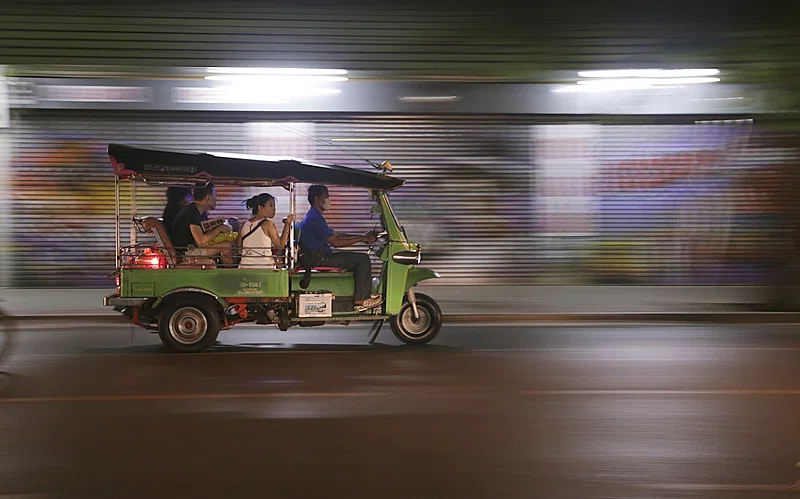
According to the traffic police, authorities are working on a policy that would gradually remove Qingqi rickshaws from major roads while allowing only properly registered and meter-equipped rickshaws to continue operating.
Officials believe standardized fare meters would improve transparency for passengers while helping regulate commercial transport services operating throughout the city.
The proposed restrictions are expected to be implemented after consultation with relevant government departments, transport operators and other stakeholders. Authorities say the objective is not only to improve traffic flow but also to ensure safer and more organized public transportation.
Speaking about broader traffic reforms, the DIG said Karachi’s Safe City initiative has significantly strengthened enforcement through electronic monitoring and digital ticketing systems.
He explained that lane marking projects and improved surveillance have helped traffic police monitor violations more effectively while reducing manual enforcement.
The e-ticketing system automatically records traffic violations through cameras installed at different locations across the city. Authorities believe the digital system minimizes human intervention and improves transparency in issuing traffic fines.
However, officials acknowledged that some motorists have reported errors in electronically generated challans.
Pir Muhammad Shah said traffic police are reviewing public complaints and preparing a revised policy that would provide relief in cases where electronic fines are issued incorrectly.
He assured citizens that a mechanism would be introduced to resolve genuine complaints quickly while maintaining the integrity of the automated enforcement system.
According to traffic police data, the total number of electronic challans issued since the launch of the digital system remains lower than the number of manual tickets issued during the previous year.
Officials said the technology continues to evolve and will become more accurate as additional cameras and monitoring systems are integrated into the Safe City network.
The DIG also highlighted concerns regarding vehicle ownership records.
He revealed that nearly 45,000 vehicles currently operating in Karachi are being driven by individuals other than their registered owners, creating challenges for law enforcement agencies during investigations and traffic enforcement.
Authorities urged vehicle owners to complete ownership transfer procedures promptly to maintain accurate registration records.
Traffic police also warned that vehicles found using fake or tampered registration plates will continue to be seized and handed over to local police stations for further legal action.
Officials said strict enforcement against counterfeit number plates is essential to prevent criminal misuse of vehicles and improve public security.
Motorcyclists violating designated traffic lanes are also being monitored through electronic enforcement.
Traffic police confirmed that riders travelling in prohibited lanes are receiving digital traffic tickets as part of ongoing efforts to improve discipline on major roads.
The department also announced free driving and safety training for women who have received electric scooters under the provincial government’s mobility programme.
Officials said the initiative aims to encourage safe riding practices while supporting women entering daily road transport.
Road safety remains a major priority for Karachi Traffic Police.
According to official figures presented during the briefing, 164 people lost their lives in heavy traffic-related accidents in Karachi last year.
Authorities claim that recent enforcement measures, improved monitoring and awareness campaigns have contributed to a 45 percent reduction in traffic fatalities compared with previous trends.
Officials stressed that continued cooperation between motorists, transport operators and law enforcement agencies will be necessary to sustain these improvements.
The traffic police also announced plans to establish a dedicated Karachi Traffic Management Company to oversee long-term transport planning, traffic engineering, congestion management and coordination among various civic agencies.
Authorities believe the proposed institution will strengthen planning, improve road infrastructure management and support the introduction of modern traffic solutions for the rapidly growing metropolitan city.
Traffic police have urged citizens to follow traffic laws, maintain proper vehicle documentation and cooperate with enforcement agencies as Karachi moves toward a safer, more efficient and technologically driven transport system.