


ISLAMABAD (Web Desk) – The federal government has announced a nationwide ban on conventional disposable syringes, introducing mandatory safety-engineered syringes from January 1, 2027, as part of a major public health initiative aimed at reducing the spread of HIV, hepatitis and other infectious diseases caused by syringe reuse.
According to the Drug Regulatory Authority of Pakistan (DRAP), the manufacture, import and sale of conventional disposable syringes will become illegal after December 31, 2026. From the beginning of 2027, only auto-disable or auto-lock safety syringes will be permitted for commercial sale and routine medical use across the country.
The decision has been taken under directives issued by the Prime Minister to strengthen infection prevention measures and improve patient safety throughout Pakistan’s healthcare system. Health authorities believe the transition to safety syringes will significantly reduce the risk of transmitting blood-borne diseases resulting from the repeated use of disposable medical equipment.
Safety-engineered syringes are designed to automatically lock or disable after a single use, making them impossible to reuse. Medical experts consider these devices one of the most effective tools for preventing infections associated with unsafe injection practices.
DRAP has already issued formal notifications to syringe manufacturers, importers and distributors regarding the new policy. The authority’s Medical Devices Board has also approved the nationwide transition, allowing manufacturers time to adjust production and supply chains before the ban takes effect.
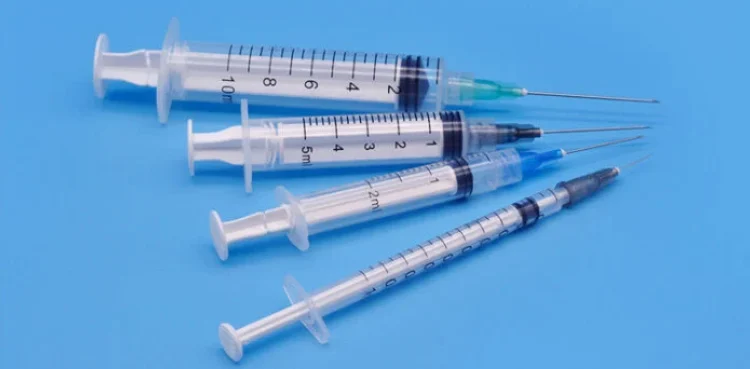
Although conventional syringes will largely disappear from the market, authorities have provided a limited exemption for 10cc conventional syringes, which will continue to be available under strictly regulated conditions. These syringes will be supplied only to large secondary and tertiary healthcare facilities where they remain necessary for specialized medical procedures.
To prevent misuse of these exempted products, DRAP plans to introduce a digital monitoring system. Hospitals authorized to use conventional 10cc syringes will be required to upload detailed usage records to an online tracking portal. The digital platform will enable regulators to monitor procurement, distribution and utilization while ensuring accountability throughout the healthcare system.
Officials say the electronic monitoring mechanism will improve transparency and help prevent unauthorized circulation of conventional syringes outside approved healthcare facilities.
The government’s decision follows years of concern over repeated outbreaks of HIV and hepatitis linked to unsafe injection practices in Pakistan. Public health experts have consistently identified syringe reuse as one of the country’s major infection control challenges, particularly in areas where disposable syringes are improperly recycled or reused.
Health authorities believe replacing conventional syringes with auto-disable devices will substantially reduce accidental or intentional reuse, protecting both patients and healthcare workers from avoidable infections.
The announcement also comes shortly after DRAP issued a medical product alert concerning several batches of auto-disable syringes that failed to meet required quality standards. Laboratory testing conducted by the Central Drugs Laboratory in Karachi found deficiencies in the auto-disable mechanism of several products manufactured by six different companies.
According to DRAP, the affected batches included 3ml and 5ml auto-disable syringes produced by manufacturers located in China, Egypt, Punjab and Khyber Pakhtunkhwa. The regulator instructed healthcare providers and distributors to stop using the identified products while further regulatory action is taken.
Officials emphasized that the recent quality concerns do not affect the government’s broader policy of adopting safety-engineered syringes nationwide. Instead, they underline the importance of strict quality control, regulatory oversight and continuous product testing to ensure that approved medical devices meet international safety standards.
Healthcare experts have welcomed the planned transition, noting that many countries have already adopted auto-disable syringes as part of national immunization programs and infection prevention strategies. They say widespread adoption in Pakistan could significantly reduce healthcare-associated infections while improving overall patient safety.
The government says the phased implementation will allow manufacturers, hospitals and healthcare providers sufficient time to prepare for the transition before the nationwide ban becomes fully enforceable in January 2027. Once implemented, the policy is expected to mark one of Pakistan’s most significant reforms in medical device regulation and infection control.