


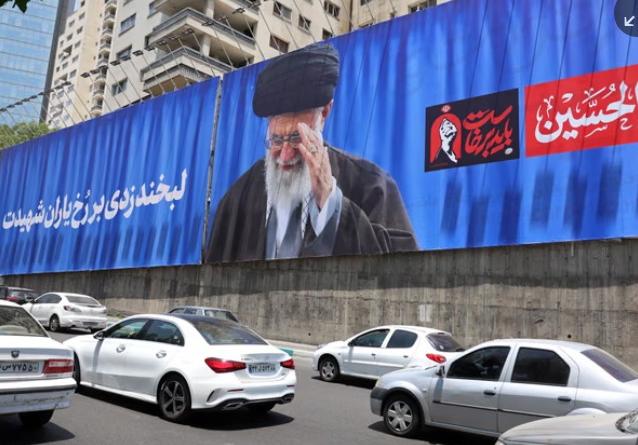
TEHRAN (Agencies) – Iran is preparing for one of the largest state funerals in its history as millions of mourners are expected to attend six days of ceremonies for former Supreme Leader Ali Khamenei, whose death in February marked a major turning point in the country’s political landscape.
The funeral, delayed for months because of the conflict that followed his death, will begin on Saturday in Tehran and conclude with his burial in Mashhad on Thursday.
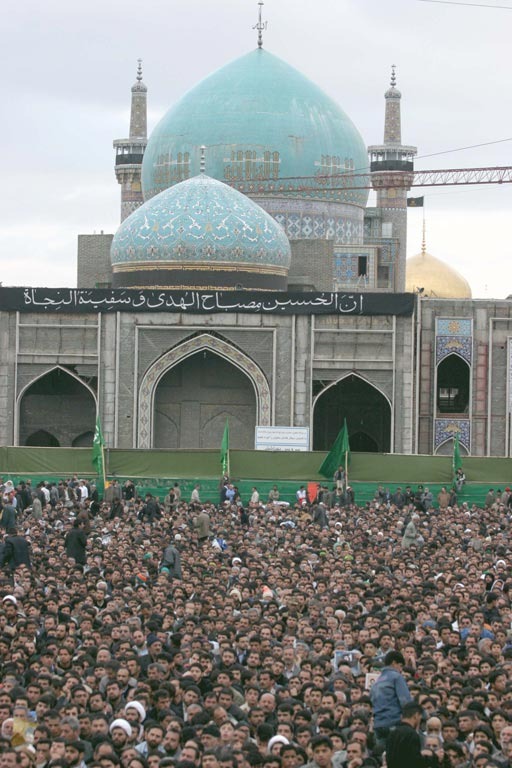
Iranian authorities have described the funeral as the most significant public event since the 1979 Islamic Revolution. The ceremonies are intended to project national unity, resilience and defiance at a time when the country remains under heightened regional tensions and is engaged in a fragile ceasefire and diplomatic contacts with the United States.
The Speaker of the Council of Representatives of Iraq, Haibat al-Halbousi, is now paying tribute to the body of martyred Ayatollah Khamenei. pic.twitter.com/EvhYS8cpF6
— IRNA News Agency ☫ (@IrnaEnglish) July 3, 2026
The main public ceremony will take place at Tehran’s Grand Mosalla mosque, where Khamenei’s body will lie in state alongside members of his family who were also killed in the February strike. A six-mile procession through the Iranian capital is scheduled for Monday, with Tehran’s mayor predicting attendance could reach around 20 million people.
Following ceremonies in Tehran, Khamenei’s body will be taken to the holy city of Qom before travelling to the Iraqi Shia cities of Karbala and Najaf. The funeral will conclude with burial at the Imam Reza shrine in Mashhad, Khamenei’s birthplace. Iranian officials say the multi-city procession reflects his religious influence among Shia Muslims beyond Iran’s borders.
Security has been tightened throughout the country, with government offices in Tehran closed for several days, traffic restrictions imposed and additional military patrols deployed. Authorities have also announced temporary airspace restrictions during the main funeral procession amid concerns over possible security threats and crowd management.
Officials from around 30 countries are expected to attend a separate ceremony for foreign delegations. Iranian authorities said invitations were extended primarily to regional allies and friendly nations, while representatives from the United States and Europe were not invited.
The funeral coincides with the Islamic month of Muharram, a period of mourning for Shia Muslims, reinforcing official themes of sacrifice and resistance. State media and organisers have framed the ceremonies as both a religious observance and a demonstration of national solidarity during a period of significant political transition.