


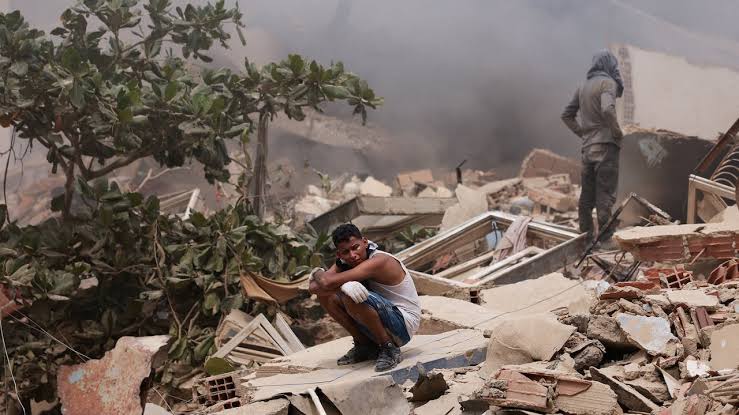
NEW YORK (Web Desk) – The death toll from Venezuela’s catastrophic twin earthquakes has risen to 1,500, making it one of the country’s deadliest natural disasters in modern history. Emergency officials confirmed Friday that more than 3,360 people have been injured, while 172 people remain trapped beneath collapsed buildings as rescue operations continue around the clock.
The powerful earthquakes, measuring 7.2 and 7.5 magnitude, struck within moments of each other on Wednesday, causing widespread destruction across La Guaira, Caracas, and neighboring regions. Hundreds of residential buildings, hospitals, schools, and public facilities suffered severe damage, leaving thousands of families homeless.
National Assembly President Jorge Rodríguez said rescue teams are working tirelessly to locate survivors before the critical rescue window closes. Authorities have deployed military personnel, firefighters, medical workers, and specialized search-and-rescue units to the worst-hit locations.
Officials reported that 383 buildings have been damaged or destroyed, with many structures collapsing entirely due to the strength of the tremors. Emergency shelters have been established for displaced residents, while medical facilities continue treating thousands of injured victims despite limited resources.
The government has fully militarized La Guaira, the hardest-hit area, to ensure rescue operations proceed without disruption. Rodríguez urged citizens to avoid traveling to the disaster zone, warning that crowded roads are slowing the movement of ambulances, heavy equipment, and emergency responders.
“We appreciate every effort to help, but keeping access routes open is essential for saving lives,” Rodríguez said during an emergency briefing.
International support has expanded rapidly as rescue specialists and humanitarian organizations arrive from multiple countries. Foreign governments have pledged emergency aid, including medical supplies, food, clean water, temporary shelters, and engineering teams to assist with recovery efforts.
Search crews equipped with thermal imaging devices, drones, rescue dogs, and heavy machinery continue searching through mountains of debris for signs of life. Volunteers have joined emergency workers in clearing rubble, distributing relief supplies, and assisting displaced families.
Hospitals across affected regions remain overwhelmed as doctors perform emergency surgeries and treat patients suffering from fractures, crush injuries, and trauma. Authorities have appealed for blood donations and additional medical equipment to meet growing demand.
Power outages, damaged roads, disrupted communications, and water shortages continue to complicate rescue operations. Emergency management officials warned that aftershocks remain possible, posing additional risks to both survivors and rescue personnel working inside unstable structures.
The disaster has intensified humanitarian concerns in Venezuela, where years of economic hardship have already strained healthcare services and public infrastructure. Aid organizations say long-term recovery will require significant international assistance to rebuild homes, restore essential services, and support affected communities.
As the search for survivors continues, families remain gathered near collapsed buildings, hoping rescuers will locate loved ones still trapped beneath the rubble. Authorities have pledged to continue rescue efforts until every possible survivor has been found.