


By Our Correspondent
ISLAMABAD – The Sindh government has revised its Eid ul Adha holiday schedule, shortening the public break from four days to three through a corrigendum issued on May 23. Under the updated notification, public holidays will now be observed from May 26 to May 28, 2026, corresponding to 9th to 11th Zil Hajj 1447 AH.
The decision affects all provincial government offices, autonomous and semi-autonomous institutions, corporations, and local councils operating under the Sindh government’s administrative control. However, departments providing essential services and offices involved in preparations for the 2026-27 provincial budget will continue functioning during the holiday period.
In an unusual move, the provincial government also announced that Friday, May 29, will be treated as a “Work From Home” day instead of a complete public holiday. This amendment replaces the earlier notification released a day before, which had declared holidays from May 26 to May 29.
The revised schedule now aligns Sindh’s Eid holidays with the federal government’s announcement, which had already limited the break to three days. The adjustment is being viewed as an effort to maintain administrative consistency across the country while ensuring uninterrupted work on key government matters, particularly budget preparations ahead of the new fiscal year.
Meanwhile, Eid ul Adha in Pakistan will be celebrated on May 27 after the Central Ruet-i-Hilal Committee confirmed the sighting of the Zil Hajj moon on May 17. The announcement was made following a meeting held at the Pakistan Meteorological Department in Karachi, where religious scholars and meteorological experts reviewed moon sighting reports from across the country.
Eid ul Adha, one of the most significant Islamic festivals, commemorates the devotion and obedience of Prophet Ibrahim (PBUH), who was prepared to sacrifice his son as an act of submission to Allah’s command. According to Islamic tradition, Allah replaced the sacrifice with a ram, symbolizing faith, sacrifice, and divine mercy.
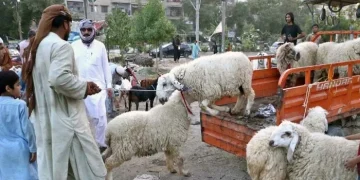
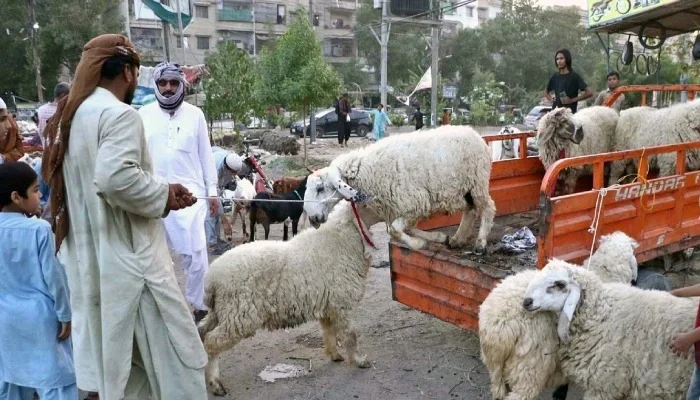
Across Pakistan, the festival is marked by special Eid prayers, gatherings with family and friends, and the ritual sacrifice of livestock. Meat from the sacrifice is traditionally shared among relatives, neighbors, and underprivileged communities, reflecting the spirit of generosity and compassion associated with the occasion.
With the latest corrigendum, Sindh residents and government employees will now observe a shorter Eid break than previously anticipated, though the inclusion of a remote working day may provide some flexibility at the end of the holiday period.