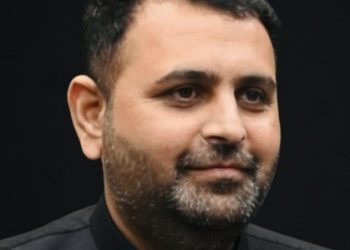
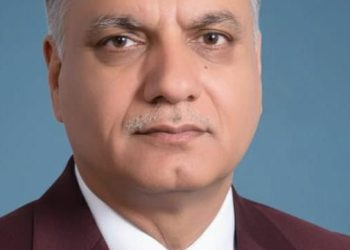
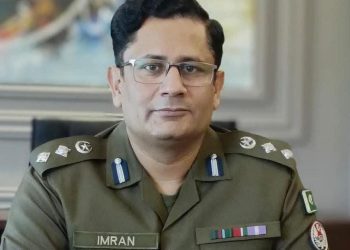
By Dr. Rizwan Mustafa Shah PhD Entomology (Gold Medalist), Engr. Asif Sandhu (Agricultural Engineer, MBA) , Manager Mechanization HBL Zarai Services Limited, Lahore, Pakistan
CHINA ‘s rural landscape is experiencing a remarkable transformation driven by visionary policies, innovative governance, and a strong commitment to sustainable development. Among the most influential initiatives is Zhejiang Province’s celebrated ‘Ten Million Project,’ a rural revitalization model that has reshaped thousands of villages over the past two decades.
As Pakistan continues to grapple with rural poverty, agricultural inefficiency, and regional disparities, this project provides timely lessons for building a more prosperous rural socioeconomy. The Ten Million Project was launched with an ambitious vision: renovate 10,000 villages and establish 1,000 model communities that could serve as engines of balanced development.
What began as a targeted effort to improve sanitation and basic living conditions evolved into a comprehensive rural modernization campaign. Over twenty years, it moved through four major phases—demonstration, expansion, upgrading, and transformation— reflecting China’s shift from addressing basic survival needs to promoting prosperity, environmental protection, and long-term sustainability. One of the project’s defining strengths is its focus on narrowing the urban–rural divide.
By integrating infrastructure planning, public services, and industrial development across multiple administrative levels, Zhejiang created a system in which rural communities benefit directly from urban growth. This approach aligns closely with President Xi Jinping’s philosophy during his time as Zhejiang Party Secretary, when he emphasized extending modern infrastructure, industry support, and cultural services from cities to the countryside to drive balanced growth.
A key message of the project is that ecological preservation and economic development can complement each other. This philosophy is captured in the widely known idea that “green water and green mountains are golden and silver mountains.” First articulated by Xi Jinping in Yucun Village in 2005, it argues that protecting the environment ultimately creates economic value.
In practice, Zhejiang encouraged rural areas to close small, polluting industries such as quarries and cement plants, replacing them with greener alternatives. Eco-agriculture, organic farming, green processing industries, and eco-tourism flourished in their place, demonstrating that environmental stewardship can produce sustainable livelihoods. As one Anji County official put it, the shift from “green mountains” to “golden mountains” gave villagers newfound hope for a cleaner and more prosperous future. Another pillar of success has been the project’s modern governance structure.
A three-tier linkage system connects towns, central villages, and natural villages, ensuring clarity of responsibility and smoother coordination. This framework has improved infrastructure planning, public service delivery, and industrial development. In counties like Feicheng, it enabled the creation of a 15- minute service circle that strengthened collaboration and improved efficiency. Meanwhile, resource-sharing mechanisms—such as rural revitalization funds, land-use optimization, and cross-village deployment of experts—have created a more equitable and resilient development model. Benefit-sharing arrangements, including guaranteed income and reinvestment of tourism profits, ensure that growth remains inclusive and sustainable.
A vivid illustration of the project’s impact can be seen in Zhanjiaying Village in Gansu Province. Through its “3331” campaign— three clean-ups, three demolitions, three improvements, and one beautification—the village undertook a comprehensive transformation of its environment. More than 8,000 trees were planted, transforming an abandoned riverbank into a vibrant ecological park. New cultural elements, such as agricultural murals and a village history museum, strengthened community identity. Villagers were encouraged to participate through a point-based reward system for maintaining cleanliness and contributing to public welfare. The result was a cleaner environment, improved social cohesion, and a newfound sense of pride among residents. For Pakistan, where the majority of the population still depends on agriculture and rural communities face significant development challenges, China’s experience offers valuable guidance. Pakistan can benefit from integrated rural–urban planning that improves roads, markets, digital connectivity, and essential services for farmers. Embracing a green development model can help reduce environmental degradation while opening new income streams through eco-agriculture and rural tourism. Local governance can be strengthened by establishing multi-tier administrative structures similar to Zhejiang’s model. Pakistan could also create rural revitalization funds to pool financial resources and develop mechanisms for sharing technology, land, and expertise across villages.
Digital empowerment—such as smart agriculture tools, mobile-based extension services, and egovernance platforms—can further boost rural productivity. Finally, Pakistan can learn from China’s focus on cultural revitalization by preserving rural heritage and promoting crafts, festivals, and historical assets to strengthen identity and attract visitors. The impact of China’s Ten Million Project has been profound. It improved rural living environments, modernized infrastructure, changed perceptions about development, and promoted a harmonious relationship between humans and nature. In 2018, it received the United Nations’ “Champion of the Earth Award,” recognizing its global significance in sustainable development. Most importantly, it has demonstrated that rural revitalization is not just about beautifying villages—it involves empowering people, reforming governance, promoting green industries, and ensuring shared prosperity. As China advances toward long-term rural revitalization and national rejuvenation, the Ten Million Project continues to serve as an inspiring model.
For Pakistan and many other developing nations, it offers a practical and adaptable framework for overcoming rural challenges, improving livelihoods, and unlocking sustainable socio-economic progress. The Honorable Prime minister of Pakistan initiative for capacity building of 1000 Agriculture graduates in china is profound step towards revitalizing the Pakistan rural socio economy.