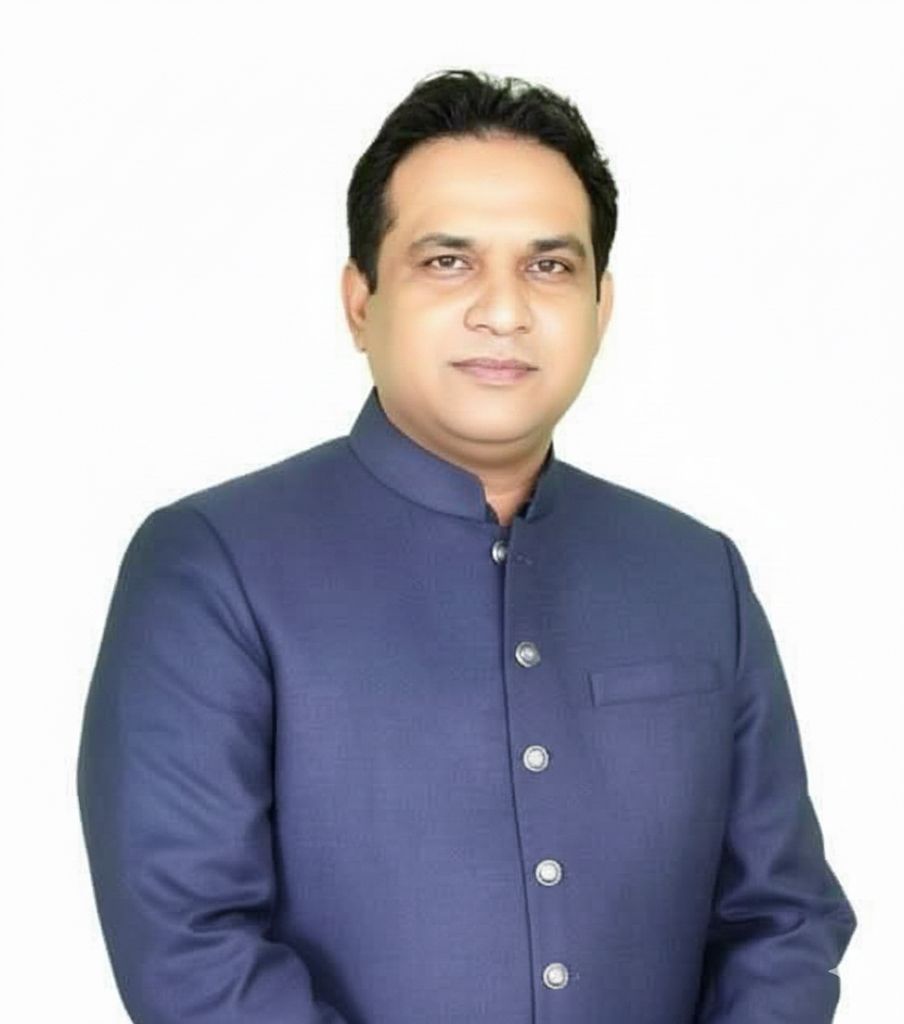



Dr Alamdar Hussain Malik
Over the past two years, nearly 150 large textile units in Pakistan have shut down, marking a dramatic contraction in an industry that has historically been the backbone of Pakistan’s economy. Textiles have long accounted for over 60% of Pakistan’s total exports and employ millions across manufacturing, spinning, weaving, and garment sectors, providing livelihoods in both urban and rural areas.
Read also:Can Pakistan afford a permanent war narrative amid deep economic strain?
Pakistan produces over 9 million bales of cotton annually, giving it a comparative advantage in raw material availability, yet decades of policy neglect, rising energy costs, high taxation, expensive financing, and bureaucratic delays have prevented the cotton crop from being effectively transformed into finished exports. Today, with taxes around 55% and interest rates on working capital at 10.5%, many units have been forced to close permanently. This is not just a sectoral issue—it is a loud warning that Pakistan’s industrial base, export capacity, and economic stability are all in grave danger.
Factory closures on this scale are a symptom of a systemic failure, signaling a potential collapse of the economy if urgent reforms are not undertaken. The closure of textile units has direct and severe consequences for Pakistan’s cotton crop. With spinning and textile mills shutting down, farmers are left with fewer buyers, leading to reduced cotton prices, delayed payments, and crop wastage. The lack of demand discourages investment in better seeds, modern farming practices, and pest control, which could reduce yields and compromise quality in the long term. This disruption in the cotton value chain not only affects farmers but also weakens Pakistan’s position in the global textile market, creating a vicious cycle where both agriculture and industry suffer simultaneously.
Despite this alarming situation, the Prime Minister appears to be watching from the sidelines, loudly claiming that the revival of the economy is his government’s main focus, while industries continue to collapse. Policies remain reactive rather than proactive, and critical sectors like textile, real estate, agriculture, and dairy are left to struggle without meaningful intervention. Such inaction not only undermines public confidence but also pushes Pakistan closer to the brink, as industries on ventilators are unable to survive without immediate, decisive support. Nevertheless, the officials of the Ministry of Planning at the federal level seem to deserve medals, judging by their inaction while the economy collapses around them.
This reality is now echoed by international institutions. The World Economic Forum’s Global Risk Assessment Report 2026 has clearly identified lack of economic stability and rising unemployment as the primary drivers of Pakistan’s economic downfall. When global risk assessments align so closely with domestic industrial decline, denial is no longer an option.
Adding to the alarm, Pakistan is heading toward a potential exit from the IMF program in June 2027 under conditions that remain extremely fragile. With key industries on ventilators, exports shrinking, and unemployment rising, leaving the IMF at this juncture could further destabilize the economy, cutting off access to critical financial support when it is needed the most.
Pakistan’s export economy remains heavily dependent on the textile sector, which contributes the largest share of exports and employs millions across its value chain. Yet this backbone industry has been steadily dismantled through uncompetitive energy tariffs, excessive taxation, delayed refunds, and high interest rates of 10.5% on working capital loans.
The regional comparison makes Pakistan’s crisis even clearer. Bangladesh, despite having fewer natural resources, earns $38–48 billion annually from textiles and garments, making it a global leader. Vietnam exports $42–44 billion worth of textiles each year, while India exports $36–41 billion in textile and apparel products annually. In contrast, Pakistan’s textile exports hover around $16–19 billion annually, despite its cotton base and skilled labor. This gap is a direct result of policy failures, high taxes, and expensive financing, not lack of capacity.
The consequences are severe: factory shutdowns, massive job losses, shrinking exports, and erosion of investor confidence, exactly as highlighted by the WEF report.
The crisis does not end with textiles. The real estate sector, once a major engine of economic activity, is now on the verge of collapse. It is a well-established fact that nearly 40 allied industries—including cement, steel, ceramics, paints, glass, furniture, electrical goods, and construction services—depend directly on real estate activity. The slowdown in this sector has transmitted shockwaves across the economy, suppressing industrial demand and employment.
At the same time, agriculture and the dairy sector, the foundations of food security and rural livelihoods, are also on ventilators. Rising input costs, weak market access, lack of value addition, and persistent policy neglect have made farming increasingly unviable. Despite being among the world’s largest milk producers, Pakistan’s dairy sector remains largely informal, inefficient, and economically fragile.
Together, textile, real estate, agriculture, and dairy form the productive core of Pakistan’s economy. Their simultaneous distress has resulted in rising unemployment, declining exports, and deepening economic instability. Pakistan can no longer survive on consumption-led growth, speculation, or short-term fiscal fixes. There is a dire need to shift decisively toward industrialization, not as a policy option but as the only path to economic survival. Industrialization is essential for mass employment, export expansion, foreign exchange earnings, and value addition across primary sectors.
Countries across the region have demonstrated that economic stability follows industrial stability. Pakistan must internalize this lesson urgently.
At this critical juncture, sleeping policymakers must wake up to an uncomfortable truth: industries that have already closed cannot realistically be revived. Once factories shut down, machinery is sold, skilled labor disperses, supply chains collapse, and investor confidence disappears.
The only rational and urgent course of action is to rescue the industries that are still on ventilators—those barely surviving despite unbearable costs, high taxes of 55%, and interest rates of 10.5%. Failure to act now will turn today’s fragile industries into tomorrow’s permanent losses, leaving Pakistan with no productive base to rebuild its economy.
While the situation is extremely critical, Pakistan can still pull itself back from the brink if decisive measures are taken immediately. The country must stabilize the textile sector by reducing energy costs, lowering taxes, ensuring policy consistency, facilitating timely refunds, and promoting modernization and value addition. Rescuing industries still on ventilators through financial support, temporary tax relief, and easing of raw material imports is equally urgent. Industrialization must be prioritized, with export-led manufacturing, industrial clusters, and skills development forming the backbone of recovery. Agriculture, dairy, and real estate also require stabilization through price support, efficient supply chains, and credit facilities. Finally, a pragmatic engagement with the IMF, combined with domestic reforms, can provide the breathing space needed to revive industries, restore investor confidence, and prevent economic freefall.
The choice before the country is stark and unforgiving:
Industrialize now—or watch Pakistan’s economy fail on ventilators.