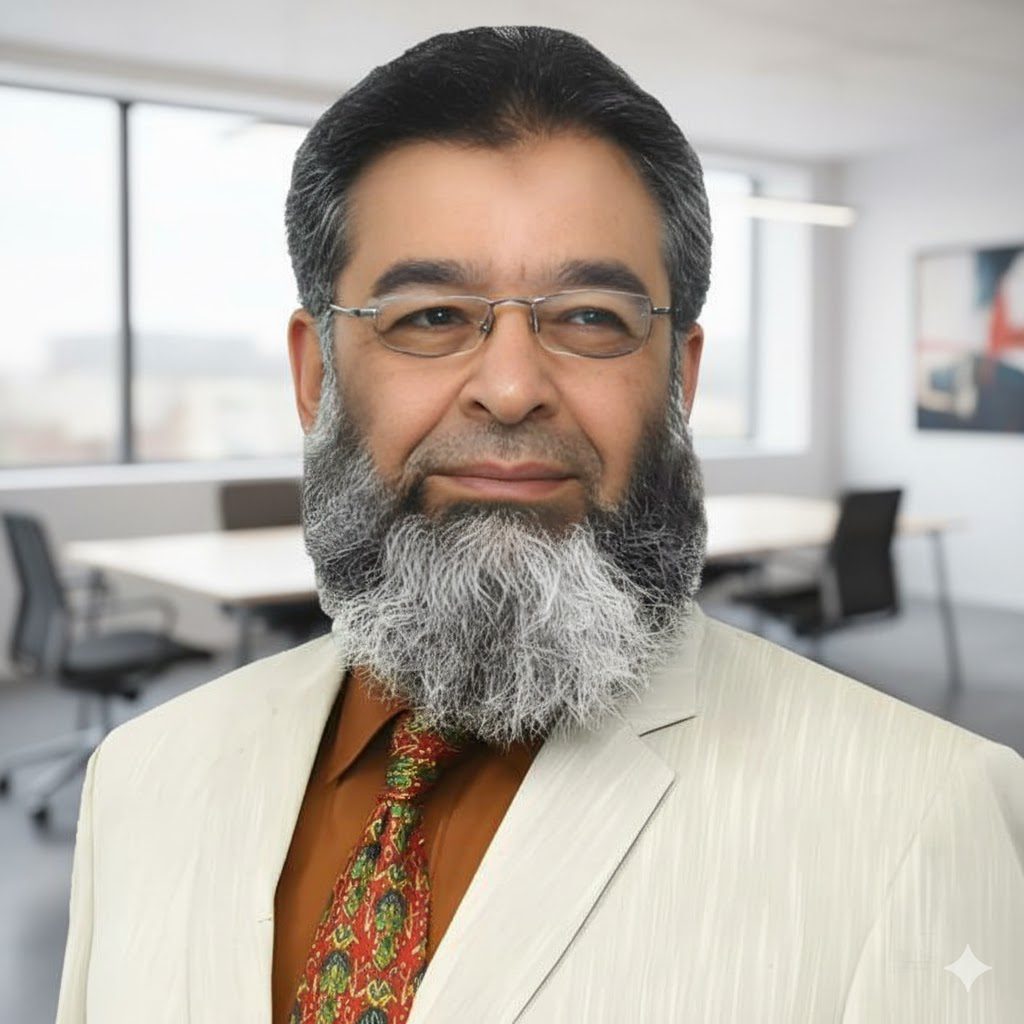



By Muhammad Mohsin Iqbal
When Pakistan, alongside several Islamic nations, affixed its signature to the agreement at Davos to join the Peace Board for the reconstruction of Gaza, in the presence of the President of the United States, a wave of criticism arose from various quarters. Some questioned the necessity of such a forum, arguing that the United Nations already exists for purposes of peacekeeping and reconstruction. Others suspected hidden motives or feared diplomatic entanglements. Yet those who study history with sobriety rather than sentiment understood that participation in such a platform is neither naïve compliance nor symbolic alignment; it is a calculated engagement shaped by memory, experience, and vigilance.
Read also: Power struggle in Afghanistan and India’s expanding role
Pakistan, in particular, does not approach international commitments with historical amnesia. Its leadership—civil and military alike—remains acutely conscious of past tragedies in which lofty assurances of international protection dissolved into silence at the decisive hour. The present global attention upon Pakistan, and upon the leadership of its armed forces is not without reason. Pakistan has long contributed to United Nations peacekeeping missions across continents. It knows both the nobility of peacekeeping and the perils of misplaced reliance. This balanced awareness shapes its current stance; engaging without being misled, working together while staying alert.
The memory of Bosnia stands as a solemn testament to why caution must accompany every promise of protection. In July 1995, in the town of Srebrenica—declared a “safe area” by the United Nations—the world witnessed one of the darkest chapters of post–Second World War Europe. The enclave had been placed under the protection of Dutch peacekeepers, operating as part of the United Nations Protection Force (UNPROFOR). This Force, was established in 1992 to ensure peace and security during the Yugoslav Wars, particularly in Bosnia and Croatia. Its responsibilities included monitoring zones of separation and weapons control points, as well as overseeing weapons exclusion zones. The mandate was clear in language, yet ambiguous in execution. The Dutch battalion was tasked with safeguarding tens of thousands of Bosnian Muslim civilians who had sought refuge from advancing Serb forces.
On the evening before the catastrophe, a photograph was taken that would later become emblematic of tragic irony; the Dutch UN commander, Lieutenant Colonel Thom Karremans, raising a glass in conversation with General Ratko Mladić, the Serb military commander. Diplomacy, in that fleeting moment, seemed to prevail over hostility. Assurances were exchanged. Confidence was projected. Yet beneath the veneer of negotiation lay a calculated design.
Earlier, Bosnian Muslim defenders within Srebrenica had managed, despite limited resources, to resist repeated assaults. But under international pressure and in deference to the promise of UN protection, they were urged to surrender their weapons. Commander Karremans assured them that the United Nations would ensure their safety. Trusting in the credibility of the international community, many complied. Arms were laid down. Defensive positions were relinquished. The population believed that the blue helmets symbolized an inviolable shield.
At dawn, the illusion shattered. Serb forces entered Srebrenica with methodical precision. Appeals for NATO air support were delayed and diluted. Limited airstrikes, when finally authorized, proved insufficient and were soon halted under threat to UN personnel. At the moment, the Dutch peacekeepers chose not to resist with force. Instead, they supervised the separation of men and boys from women and children under the guise of “screening.” In heartbreaking scenes, families were split apart right before the eyes of those meant to protect them.
Over the next four days, more than eight thousand Bosnian Muslim men and boys were systematically executed. Mass graves were filled in secrecy and later exhumed in sorrow. The massacre of Srebrenica was not a sudden frenzy but a calculated campaign of extermination carried out in the presence of an international force that neither intervened decisively nor prevented the unfolding atrocity. Subsequent investigations and judicial proceedings would recognize it as genocide. Years later, Dutch courts acknowledged partial responsibility of the Netherlands for failing to protect certain victims who had sought refuge within the UN compound.
The tragedy wasn’t just about the attackers’ brutality; it was also the devastating failure of a system that had promised to protect their lives but ultimately didn’t. The disarming of a vulnerable population under assurances of protection remains one of the most haunting lessons of that episode.
It echoes the Qur’anic warning: “The disbelievers wish that you would neglect your arms and your baggage so they could descend upon you in one attack” (Surah An-Nisa 4:102). The verse is not an incitement to aggression; it is a call to vigilance. It counsels preparedness even in moments that appear secure.
To recall Srebrenica is not to imprison ourselves in grievance, but to remain awake. Real protection resides not in signatures alone, nor in ceremonial gatherings, but in preparedness, unity, and unshaken trust in Allah. International cooperation has its place; diplomacy is indispensable; reconstruction efforts must proceed. Yet no nation, particularly one conscious of the vulnerabilities of the Muslim world, can afford complacency.
Pakistan’s engagement with the Peace Board for Gaza must therefore be understood through this prism. It seeks a seat at the table where decisions are shaped, not as a passive recipient of outcomes but as an active guardian of its principles. Islamic countries, having witnessed how the language of peace was once manipulated while a massacre unfolded, cannot allow the market of bloodshed to be reheated under the banner of humanitarian concern.
History does not demand perpetual suspicion, but it does command informed vigilance. The lesson of Bosnia is neither isolation nor surrender; it is balanced strength. A nation that remembers Srebrenica signs agreements with open eyes, keeps its defences intact, and places its ultimate reliance not on fragile guarantees, but on preparedness guided by faith