Experts urge Pakistan to embrace harm reduction to curb smoking epidemic
By Our Correspondent

LAHORE: Amid Pakistan’s high smoking rates and growing health concerns, experts are calling for the adoption of pragmatic harm reduction strategies modeled on successful international examples.
Read also:Tobacco lobby seeks duty slash, public health experts alarmed
Recognizing that not all smokers are ready to quit, harm reduction offers better alternatives that could significantly reduce tobacco-related harm and ease the burden on the healthcare system.
Countries like the U.K. and New Zealand have implemented harm reduction policies as part of their public health strategies. In the U.K., the NHS acknowledges e-cigarettes as a less harmful aid for quitting smoking and runs public health campaigns to educate people about their relative safety.
Similarly, New Zealand aims to be smoke-free by 2025, with the goal of seeing fewer than 5% of all New Zealanders smoke by the end of 2025, across all population groups. With regulations in place to ensure that better alternatives like e-cigarettes are accessible to those looking to switch from traditional cigarettes.
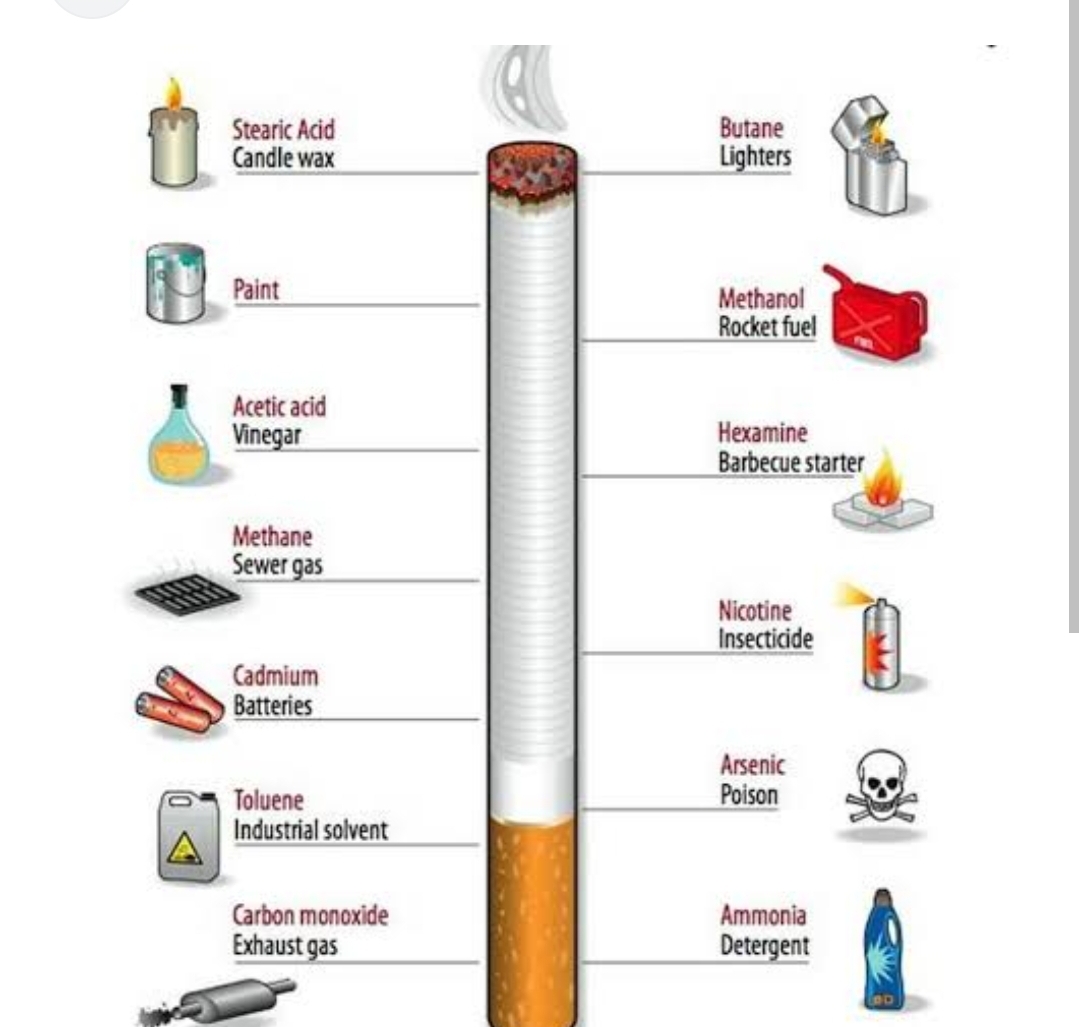
Commenting on the importance of learning from these global examples, Dr. Mohamed Salah Moselhy, a UAE-based expert, stated, “For those who don’t want to quit, alternatives such as heated tobacco, e-cigarettes, and nicotine pouches are available. Studies indicate that these alternatives reduce risks compared to traditional cigarettes as they do not burn and produce fewer harmful chemicals.”
He further explained, “Despite being less harmful, these alternatives still contain addictive nicotine. Therefore, it is crucial to regulate their sale and marketing to ensure they are safe and accessible for smokers who want to switch.”
With approximately 25 million tobacco users, Pakistan has one of the highest smoking prevalence rates globally. Experts emphasize that implementing a balanced harm reduction framework, one that mirrors successful international practice, can help reduce smoking rates while addressing the realities of nicotine addiction in the country.
About the Author