


By: Miss Eman Atiq /Bilal Atiq /Muhammad Muzamil Mujeeb
Workplace burnout is a significant challenge in the nursing profession, affecting both the well-being of nurses and the quality of patient care. This research explores the relationship between self-efficacy, coping mechanisms, and occupational burnout among nursing staff. The study also examines how demographic factors such as gender, family system, income, marital status, and employment type influence burnout, aiming to identify strategies for improving nurses’ mental health and reducing stress in the workplace.
The study, conducted by Dr. Eman Atiq, an MPhil student at Women University Rawalpindi, explores the challenges faced by nurses in both government and private hospitals in Rawalpindi and Islamabad. Dr. Atiq worked in collaboration with Mr. Bilal Atiq, a student of B Pharmacy at Hamdard University Islamabad, and Muhammad Muzamil Mujeeb, a pre-medical student in the U.S. who is a record-breaker for securing 22 A’s in both the Cambridge and American educational systems. The team’s collective effort provided a comprehensive examination of nursing burnout from both a local and international perspective.
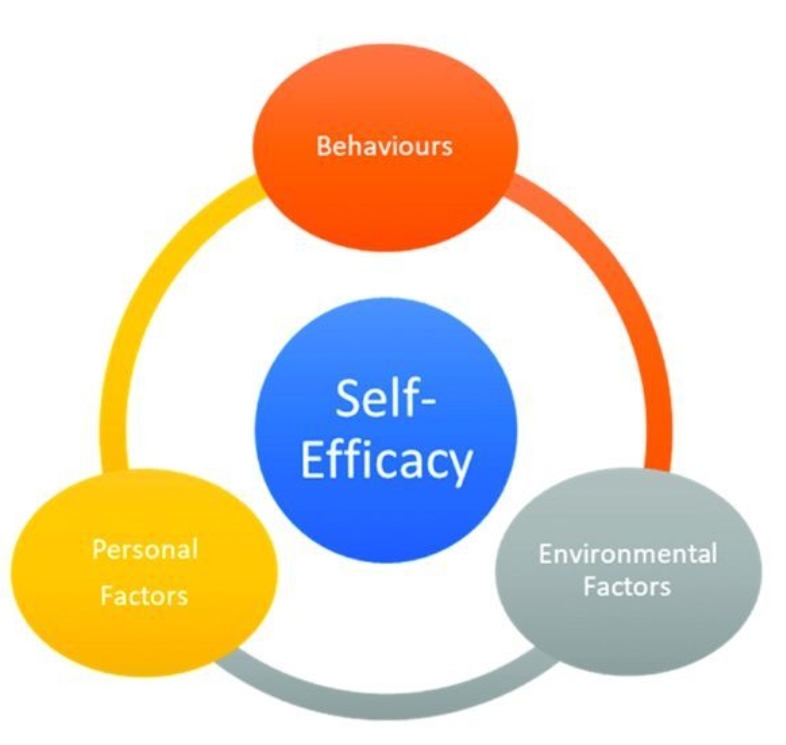
Using data from a diverse sample of nurses, the research employed statistical tools such as Pearson correlation, regression analyses, t-tests, and ANOVA via SPSS to analyze the impact of self-efficacy and coping strategies on burnout. One of the key findings was that higher self-efficacy correlates with lower levels of burnout, meaning that nurses who felt confident in their abilities to manage their tasks and stressors were less likely to experience emotional and physical exhaustion. Furthermore, problem-focused coping strategies, which involve actively addressing stressors, were found to be more effective at reducing burnout than emotion-focused strategies.
The study also examined the influence of demographic factors on burnout. Female nurses reported higher levels of burnout compared to male nurses, which could be attributed to additional societal and familial pressures. Nurses from joint families experienced more burnout than those from nuclear families, suggesting that the complex dynamics within joint families may increase stress. Additionally, higher-income nurses and those working double shifts demonstrated better self-efficacy, which in turn helped reduce burnout. Nurses working in government hospitals also showed higher self-efficacy compared to those in private institutions.
Despite these findings, coping strategies did not significantly moderate the relationship between self-efficacy and burnout, potentially due to the limited mental health resources available in Pakistan and cultural factors that may hinder the application of coping strategies. Regression analyses revealed that self-efficacy negatively predicted burnout, accounting for 24% of the variance, while coping strategies explained 13% of the variance and problem-focused coping explained 7%.
The research highlights the importance of fostering self-efficacy and improving coping skills among nurses to manage stress and reduce burnout. It suggests that healthcare organizations should provide training in stress management and problem-solving to equip nurses with the tools they need to cope effectively with workplace stress.
In conclusion, Dr. Eman Atiq’s study, with contributions from Mr. Bilal Atiq and Muhammad Muzamil Mujeeb, sheds light on the critical issue of nursing burnout and provides valuable recommendations for improving nurses’ mental health. The findings advocate for stronger institutional support to enhance self-efficacy, coping strategies, and mental health resources to reduce burnout. This research offers important insights for healthcare professionals and policymakers, emphasizing the need for systemic changes to improve the well-being of nurses.