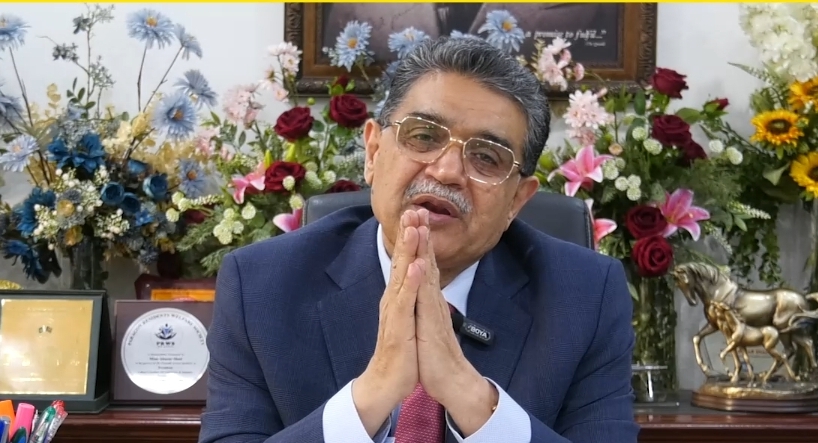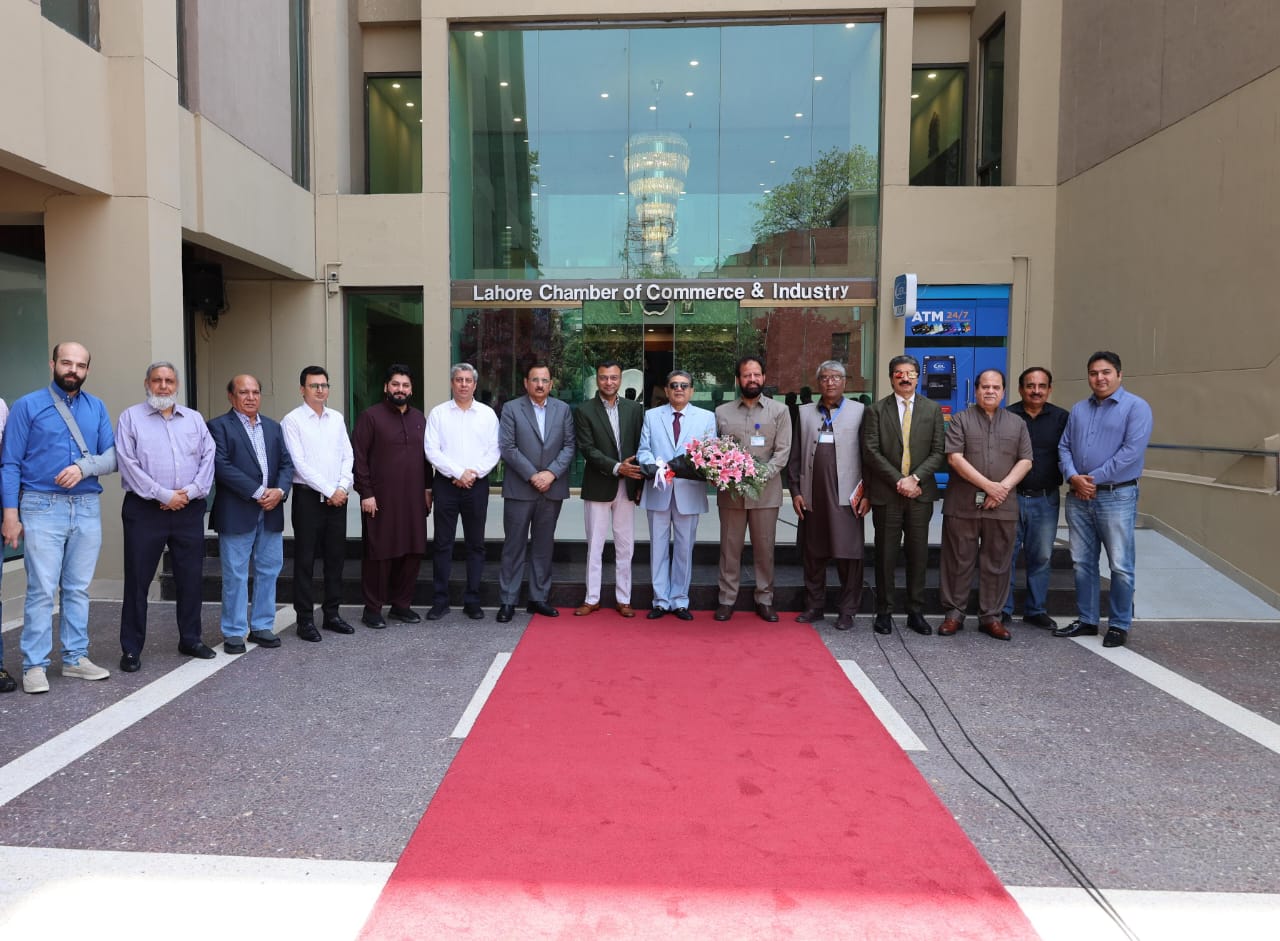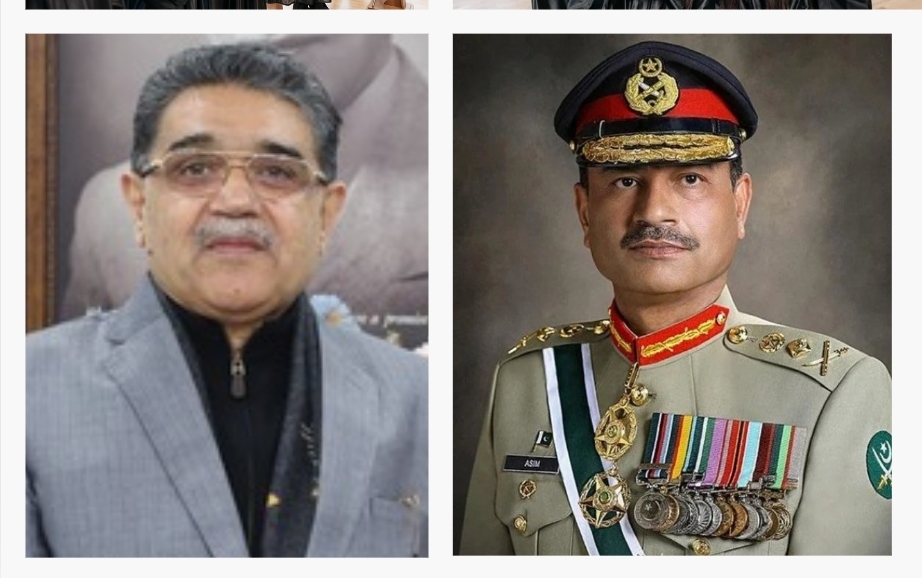



By Mian Abu Zar Shad, President, Lahore Chamber of Commerce and Industry
In the 1973 Arab-Israeli War, also known as the Yom Kippur War, Israel was economically paralyzed, struggling with foreign exchange shortages, hyperinflation, and a lack of natural resources, particularly oil. Yet, Israel emerged victorious over a coalition of Arab nations that were far more resource-rich. This outcome was not simply a result of military strength but a direct result of unity, strategy, and an unyielding philosophy of victory.
Read also: LCCI achieves historic milestones under Mian Abuzar Shad’s leadership
Golda Meir, Israel’s Prime Minister at the time, famously hosted a visiting American senator in her modest home instead of the lavish Prime Minister House. She boiled tea on her own stove, exemplifying humility and focus. On the wall behind her hung a sword, believed to have belonged to a Muslim commander. Meir used this setting to explain that history remembers victors, not their temporary sufferings. She noted that when Prophet Muhammad (PBUH) passed away, his family couldn’t afford oil to light a lamp and had to mortgage his armor. Yet, his legacy endures because he was a victor in faith and mission.
Meir concluded that even if Israel had to reduce its meals to one a day, it would be worthwhile as long as the country emerged victorious. Her argument convinced her cabinet to approve a controversial arms deal. The result was Israel’s resounding success in the war. Conversely, the Arab states failed not because of insufficient weapons but due to a lack of unity and shared strategic purpose. They were rich in resources but poor in resolve.
This lesson in leadership and strategy echoes today in Pakistan’s current socio-political landscape. We face not just external threats but an internal collapse caused by economic turmoil, corruption, tax evasion, dollar smuggling, and a political system where merit is routinely compromised. However, as history shows, challenges often give rise to great leaders.
Field Marshal General Ayub Khan, during the 1965 Indo-Pak War, addressed a fearful nation by invoking the spirit of historical Muslim heroes like Tariq bin Ziyad. He spoke to a country worried about its future and reminded them that victory stems from faith, sacrifice, and collective willpower. His stirring words during a time of war helped unify the country and instill a sense of national pride and resilience.
Today, we are fortunate to witness a new philosophy of leadership under the stewardship of Chief of Army Staff General Syed Asim Munir. Unlike leaders who thrive on media attention, General Asim Munir has quietly, yet decisively, implemented reforms that have had far-reaching impact. One of his major achievements is cracking down on currency manipulation. When the dollar crossed Rs. 343, he moved swiftly, and under his strategic direction, the rate was brought down to Rs. 278. This not only stabilized the economy but also sent a strong message to the financial mafias.
Furthermore, under General Asim Munir’s leadership, Pakistan launched the Special Investment Facilitation Council (SIFC), an initiative designed to streamline investment processes, eliminate bureaucratic hurdles, and instill confidence among investors. At the helm of SIFC’s operations is Lieutenant General Sarfraz Ahmad, who has ensured that the Council operates with precision, urgency, and transparency. The SIFC is now a symbol of Pakistan’s commitment to economic revival.
Supporting these efforts is Lieutenant General (R) Nazir Ahmad Butt, the current Chairman of the National Accountability Bureau (NAB). Under his watch, NAB has evolved from a controversial institution into a dynamic force against corruption. Multiple high-profile individuals who previously operated above the law are now under investigation or prosecution. General Nazir Ahmad Butt’s leadership has sent a powerful signal that accountability is not selective, and no one is above the law.
These efforts signify that Pakistan’s civil and military leadership are now fully aware that economic security is national security. As General Asim Munir has stated, no country can defend its borders while its economy is collapsing from within. This perspective aligns with the global view that nations rise or fall not just on military strength, but on economic resilience, institutional integrity, and public trust.
We must also recognize the critical role played by Pakistan’s business community, which contributes over Rs. 13 trillion in taxes annually. Yet, this community has often been sidelined from policymaking. We must ensure that those who sustain the economy are empowered and heard. Their inclusion in the national decision-making process is essential for sustainable development.
The road to reform is long and filled with resistance. Pakistan, like the Arab states of 1973, is rich in potential but burdened by systemic flaws. However, we can chart a different course. If we adopt the philosophy of victory as exemplified by leaders like Golda Meir, General Ayub Khan, and General Asim Munir, we can turn our vulnerabilities into strengths.
The youth of Pakistan are a beacon of hope. With the right policies in education, health, and employment, they can become the torchbearers of a new Pakistan. We need to channel their energy toward innovation, industry, and nation-building. This requires a clean system, where merit is rewarded, and institutions function independently.
Victory in the modern world is no longer just about territorial conquest. It is about economic independence, technological advancement, food and water security, and social justice. We must view every challenge—be it corruption, energy shortage, or lack of foreign investment—as a battlefront. And just like in a war, we must bring discipline, unity, and strategy to overcome them.
Pakistan is not a failed state. It is a struggling nation with immense potential. The current leadership, especially within the military establishment, has taken the first courageous steps toward rectification. It is now up to the civilian leadership, judiciary, media, and the public to follow suit.
In conclusion, we must internalize the philosophy of victory: unity over division, merit over favoritism, and sacrifice over convenience. As history shows, nations that uphold these principles are remembered not only for their victories but for their transformation. Let us rise together and make Pakistan a story of resilience, reform, and revival.
—