



Controlling black economy can benefit the economy by PKR30 trillion
By: Mian Abuzar Shad
President, LCCI
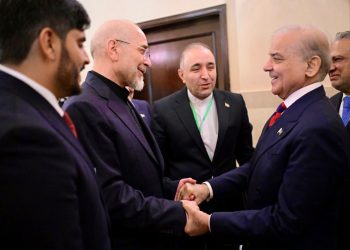
There is no doubt that the Special Investment Facilitation Council (SIFC) is playing a pivotal role in stabilizing Pakistan’s economy and promoting investment. Under the leadership of National Coordinator Lieutenant General Sarfraz Ahmed, the council has made significant progress in the areas of industry, trade, investment, and economic recovery, with immediate results becoming evident. The council’s consistent engagement with the Lahore Chamber of Commerce and Industry (LCCI) is clear evidence that its leadership is working in consultation with all stakeholders. This should serve as a model for decision-makers and institutions that often neglect the business community’s input.
SIFC appreciates LCCI’s efforts in promoting business-friendly environment
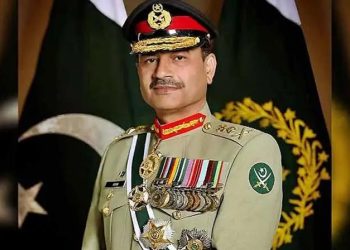
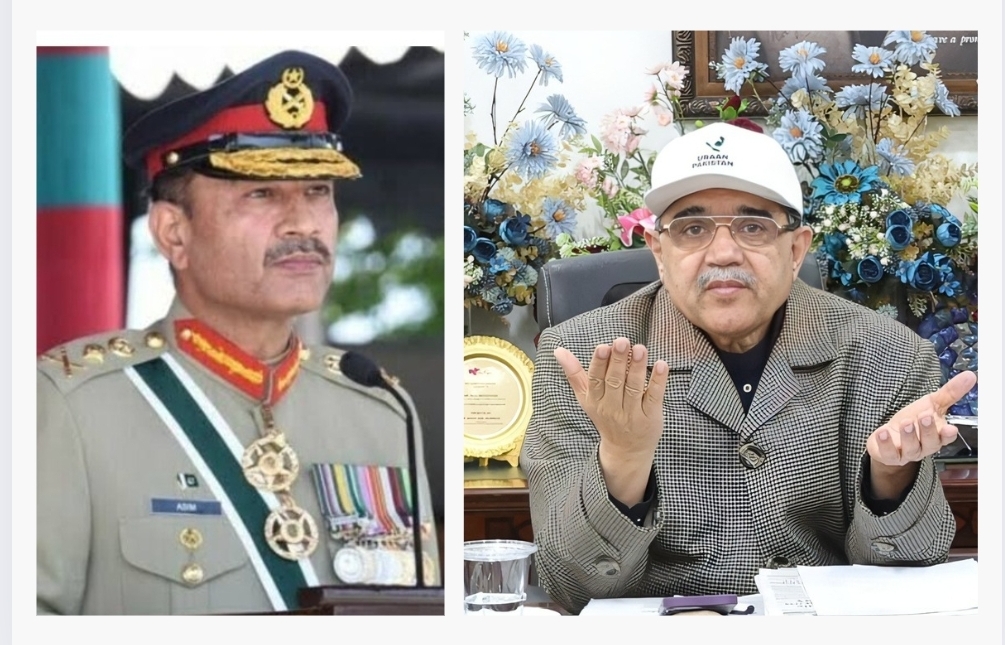
It is also imperative to acknowledge Chief of Army Staff General Asim Munir, who has proven through practical measures that his priorities extend beyond securing the country’s borders to ensuring economic stability. His efforts to curb the uncontrolled rise of the US dollar led to a 21 per cent reduction in its value, from PKR 343 to PKR 278, marking a major success. These measures have contributed to economic stabilization and restored public confidence.
LCCI is committed to acting as a think tank for industry, trade, and the economy, providing valuable recommendations to relevant forums. Our advocacy led to a significant reduction in markup rates, with expectations that they will soon reach single digits. Additionally, our strong stance on Independent Power Producers (IPPs) resulted in the cancellation of several agreements, paving the way for reduced electricity prices. However, the government still does not involve us in policy-making processes, which remains a concern.
For sustainable economic development, Pakistan must eliminate the black economy and stop relying on artificial economic stimuli, such as excessive currency printing. By June 2024, Pakistan’s currency circulation had reached PKR 9,153 billion, exacerbating inflation and other economic problems. If the government halts artificial interventions and phases out large currency notes, it can help eliminate the PKR 30 trillion black economy. I have been advocating since 2017 for the removal of large currency notes, which would force hoarded black money back into the economy. Policymakers have now started discussing this, and I hope concrete steps will be taken soon.
Additionally, under-invoicing from China causes a loss of USD 6 billion annually, posing a serious economic challenge. Strict measures are necessary to curb this issue and ensure proper utilization of national resources. Under-invoicing and smuggling have severely impacted Pakistan’s cottage industry, which is the backbone of the manufacturing sector. The government must take strict action against these practices.
The recent agreements with the UAE are promising, and similar beneficial trade deals should be pursued with Qatar and other nations to strengthen Pakistan’s economy. However, trade agreements must be structured to ensure Pakistan gains benefits instead of being one-sided in favor of other countries.
Pakistan’s Steel Mills, Railways, and other national institutions have collapsed due to bureaucratic inefficiencies, causing an annual loss of PKR800 billion to the national treasury. Additionally, IPPs receive PKR2,111 billion annually. Instead of revitalizing these institutions, governments have opted to sell them at throwaway prices. For example, Allied Bank’s 51 per cent shares were sold for only PKR972 million, and MCB’s 75 per cent shares were sold for PKR2,420 million. Such hasty privatizations should be replaced with a well-planned revival strategy. If privatization is unavoidable, it should follow international standards to ensure fairness.
Pakistan’s national treasury incurs an annual loss of PKR2,911 billion due to failing institutions and IPP payments. In comparison, the country’s defense budget is only around PKR 2,000 billion, which must also support Pakistan’s nuclear program, missile development, counter-espionage efforts, and national security operations. Therefore, instead of criticizing the defense budget, so-called scholars should focus on eliminating economic leakages from loss-making national institutions and IPPs.
The recent cabinet expansion failed to include the real stakeholders—traders and businessmen—who contribute PKR13 trillion in annual taxes. The business community plays a crucial role in the economy and must be represented in the cabinet to ensure more effective economic policies.
To enhance revenue, the tax system needs to be more transparent and efficient. Instead of imposing unnecessary taxes, broadening the tax base can significantly increase government revenue. The growth of e-commerce should also be encouraged, as it benefits small traders and boosts the economy. However, this requires improving internet infrastructure across the country.
I have long advocated for taxation on agricultural income, and it is commendable that the government has finally taken this step. Modernizing agriculture with advanced technology will not only increase farmers’ incomes but also boost exports. Similarly, energy sector reforms are crucial. Reducing energy wastage and adopting alternative energy sources can bring substantial economic benefits.
Investing in education and skill development will create more job opportunities for youth, reducing unemployment and strengthening the economy. Currently, around 30 million children are out of school, and economic progress is impossible without educating them.
Pakistan has immense tourism potential, which can be unlocked by developing infrastructure and promoting the sector internationally. Establishing industrial zones with modern facilities can further enhance industrial growth and create employment opportunities.
Conclusion: Pakistan’s economic stability requires comprehensive and long-term reforms. The efforts of the Special Investment Facilitation Council (SIFC) and military leadership are commendable, but addressing black market activities, excessive currency printing, and inefficient national institutions is equally crucial. By overcoming these challenges, Pakistan’s economy can reach new heights. Implementing further strategic recommendations will pave the way for even greater economic growth.
Read also:SIFC appreciates LCCI’s efforts in promoting business-friendly environment