


By Our Correspondent
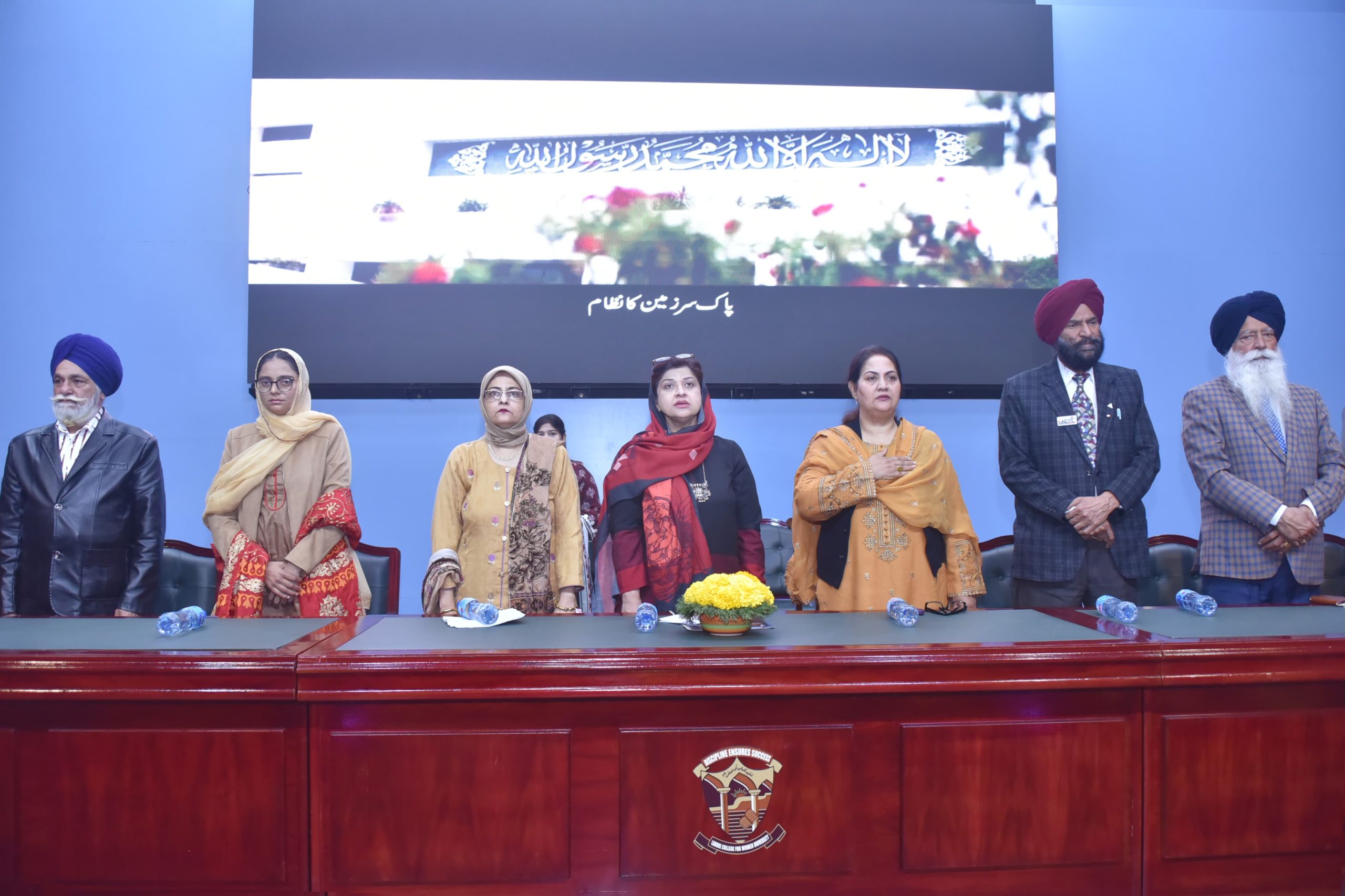
LAHORE: The 7th International Punjabi Conference started here at Lahore College for Women university(LCWU) bringing together prominent intellectuals, scholars, and cultural ambassadors from across the globe.
Experts from the USA, Canada and Norway gathered to discuss the preservation, promotion, and academic study of Punjabi language, literature, and culture. Dean faculty of Islamic learnings and Oriental languages Prof Dr Faleeha Kazmi was the chief guest at the inaugural session. The delegates from abroad attending the conference are Prof Dr Harjinder Singh, Prof Dr Charanjit Singh, Ajaib Singh Chatha, Ranjeet singh Rana, Sardul singh Thiara, Santoke Singh sandhu, Rupinder Kaur, Harkiran Kaur Sandhu, Dr Harjap Singh Sandhu, Prabhjot Singh, Hakumat Singh, and Balvinder Singh Chattha.
Read also: World Punjabi Congress to host 34th International Conference on Sufi Tradition in Lahore
The delegates focused on Punjabi identity, literature, folklore, and linguistic research. It featured panel discussions, research paper presentations, book launches, poetry readings, theatrical performances, and music sessions—all aimed at reinforcing the importance of Punjabi as a vibrant and evolving language.
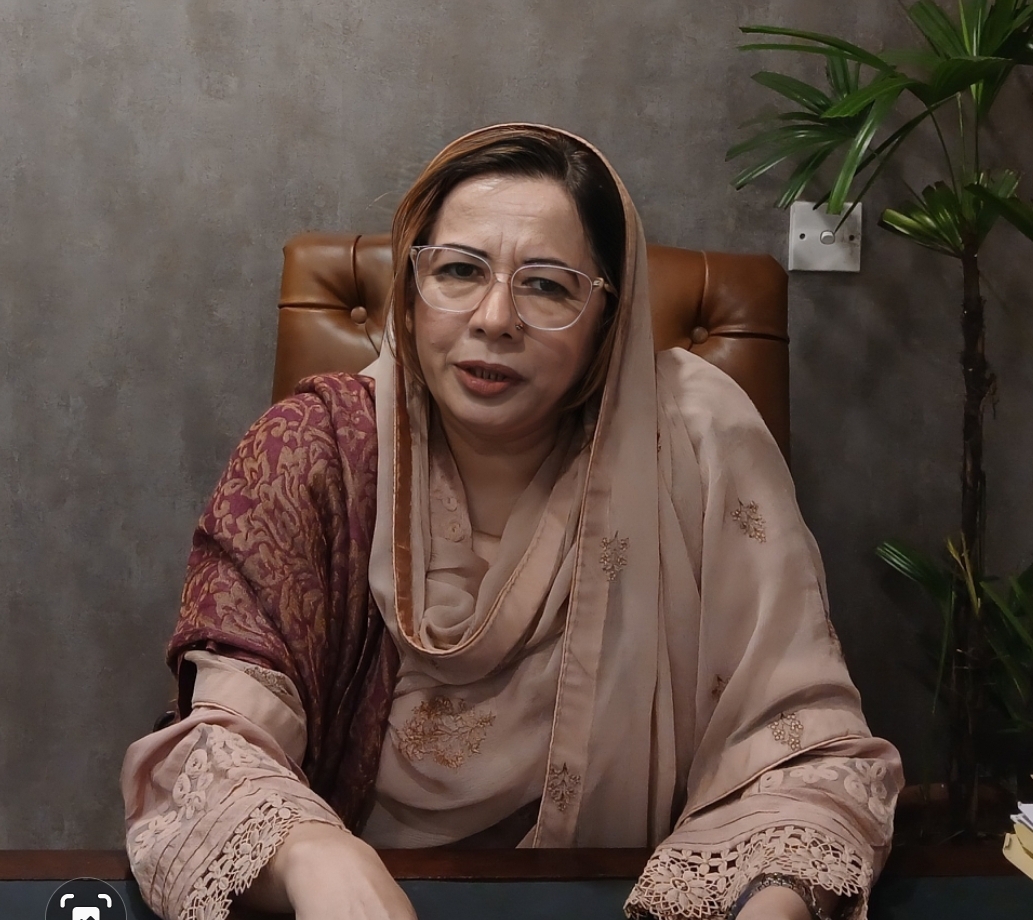
Dr Faleeha Kazmi emphasised the need for collective efforts in promoting Punjabi as a mother tongue. She highlighted how conferences like these play a crucial role in passing on linguistic and cultural heritage to younger generations. On this occasion Dr Mujahida Chairperson of the Punjabi Department, stated that Punjabi intellectuals and scholars must actively work towards educating the masses about the historical and cultural significance of their language. She encouraged young scholars to engage with Punjabi literature and contribute to its evolution. Dr Mujahida Butt told that closing session of the conference will be held at Baba Guru Nanak University. In technical sessions, attendees and speakers hailed the event as a milestone in the preservation and promotion of Punjabi language and culture, ensuring that Punjabi remains a thriving linguistic identity for generations to come.