


Says privatization and tax reforms key to long-term stability
By M Qadeer
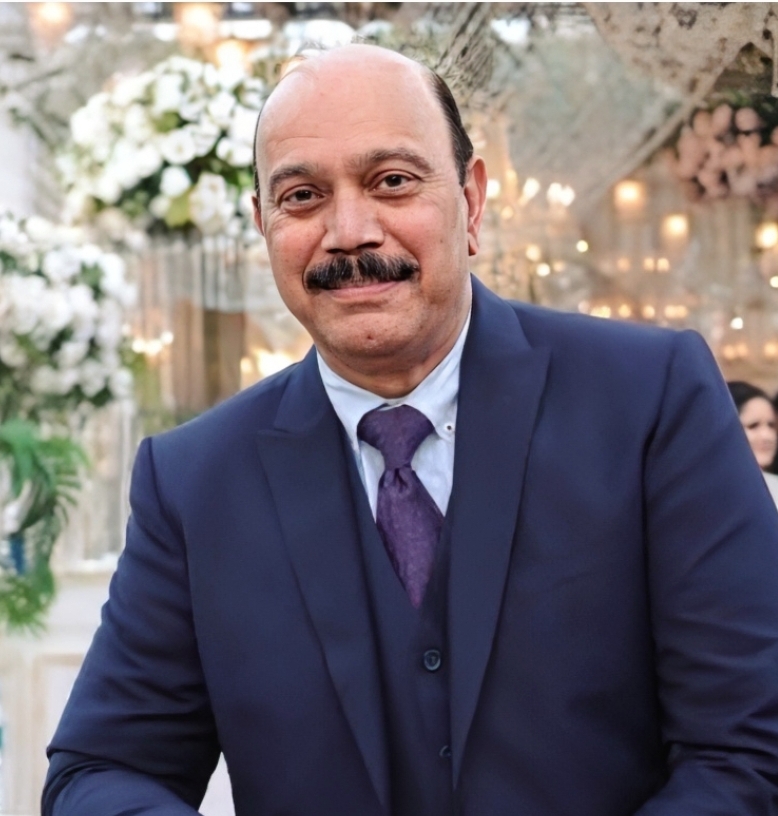
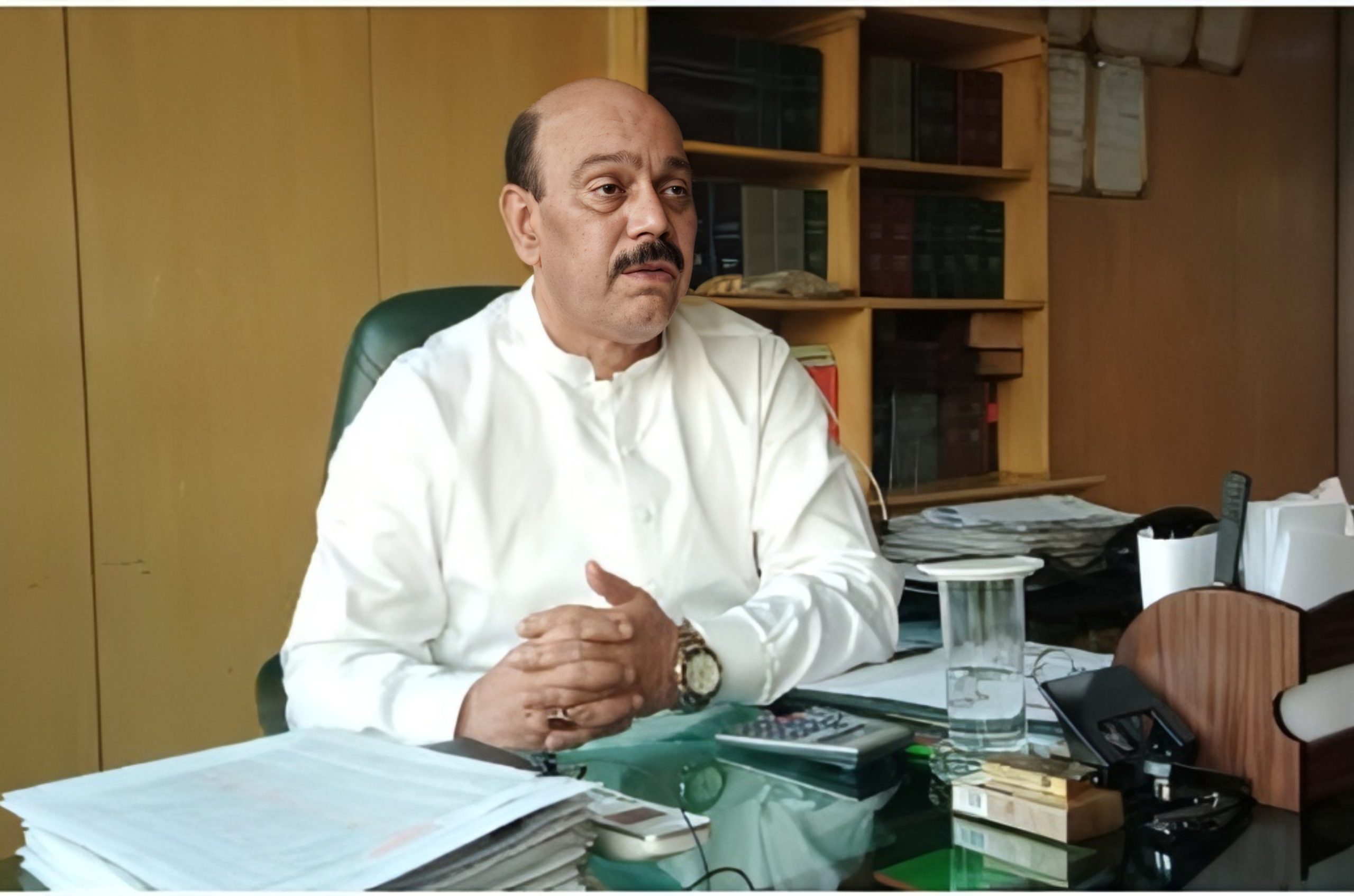
LAHORE: Khadim Hussain, Director of the Pakistan Stone Development Company, Senior Vice President of the Ferozepur Board, and a former Executive Member of the Lahore Chamber of Commerce, highlighted the government’s commendable efforts to achieve economic stability despite numerous challenges. In an exclusive interview to The Tribune International, Hussain shared his insights on economic reforms, the need for structural adjustments, and his vision for the “Uraan Pakistan” program.
Q: How do you assess the current state of the economy?
Khadim Hussain: Achieving economic stability in the face of immense challenges is a valuable achievement of the government. The rise in remittances and the reduction in import volumes have played a pivotal role in alleviating the current account deficit. However, we still have a long way to go, particularly in addressing structural inefficiencies and enhancing the economic framework.
Read also: Mian Abuzar Shad says AI to revolutionize businesses and economy
Q: What measures do you believe are necessary for sustainable growth?
Khadim Hussain: Immediate action is required to privatize state-owned enterprises that incur annual losses worth billions. These “white elephants” are a drain on national resources. Additionally, ministries must reduce their expenditures further. The Federal Board of Revenue (FBR) should develop an alternative plan to incorporate non-filers into the tax net. This plan should create conditions that make tax evasion inconvenient for individuals, compelling them to join the tax system voluntarily. At the same time, taxpaying citizens should be rewarded and incentivized to encourage compliance.
Q: What is your take on the “Uraan Pakistan” program?
Khadim Hussain: The “Uraan Pakistan” program has tremendous potential to drive economic transformation. To ensure its success, Prime Minister Shehbaz Sharif should establish a supervisory committee under his leadership. The program must follow the model of the Special Investment Facilitation Council (SIFC), focusing on strategic implementation and stakeholder engagement. This approach will provide the necessary structure and oversight for achieving tangible results.
Q: What role should stakeholders play in the government’s economic agenda?
Khadim Hussain: Stakeholder consultation is crucial for continuity and sustainable growth. By including business leaders, industry representatives, and other key players in decision-making, the government can create a more inclusive and resilient economic environment. This collaboration will enhance trust and ensure that reforms address the concerns of all involved.
Q: What is your consideration for Pakistan’s economic future?
Khadim Hussain: The direction the current government is pursuing has the potential to bring lasting stability. However, maintaining momentum and ensuring continuity are vital. With focused reforms, stakeholder engagement, and strong leadership, Pakistan can emerge as a robust and competitive economy in the region.
RelatedPosts





Recent Comments