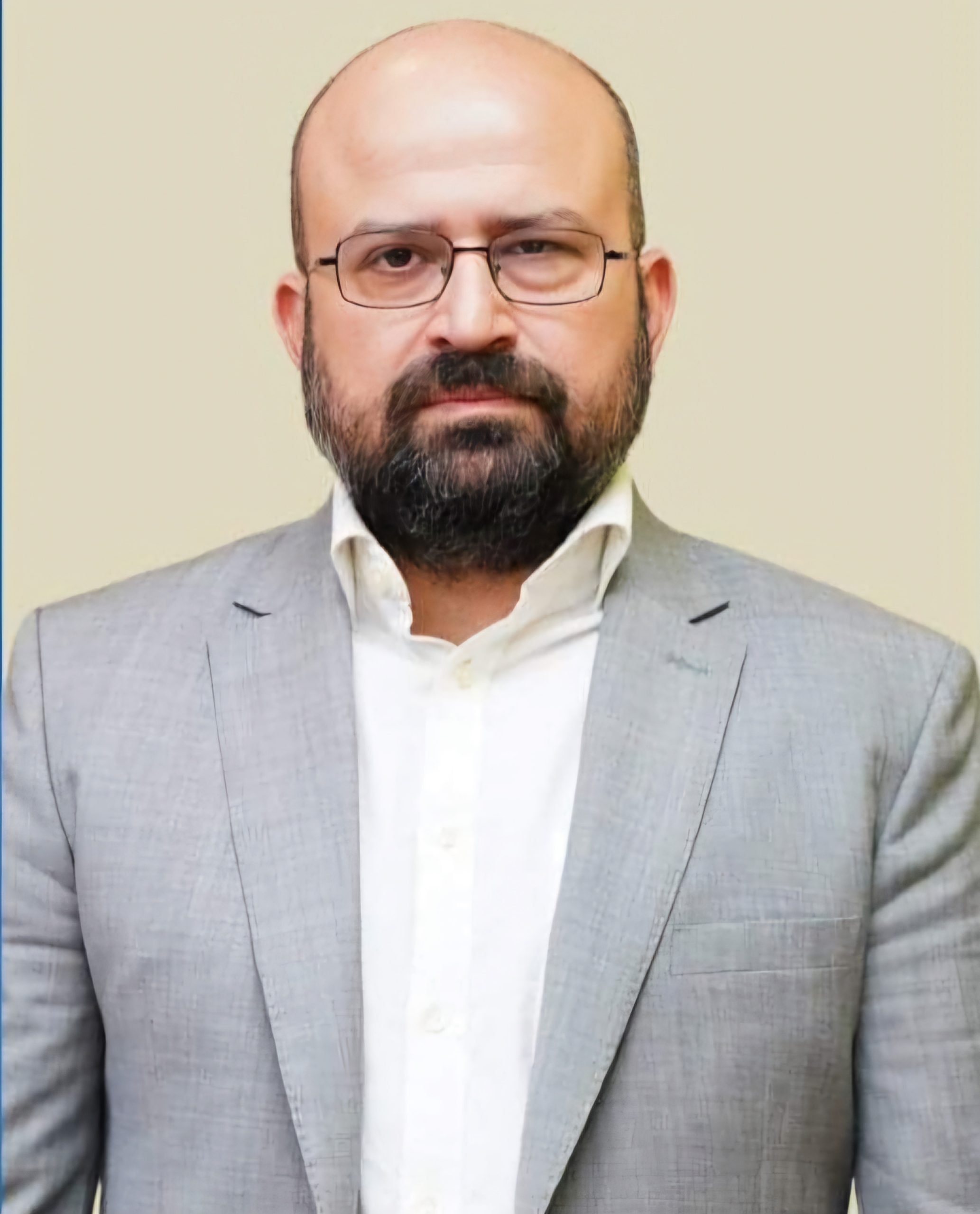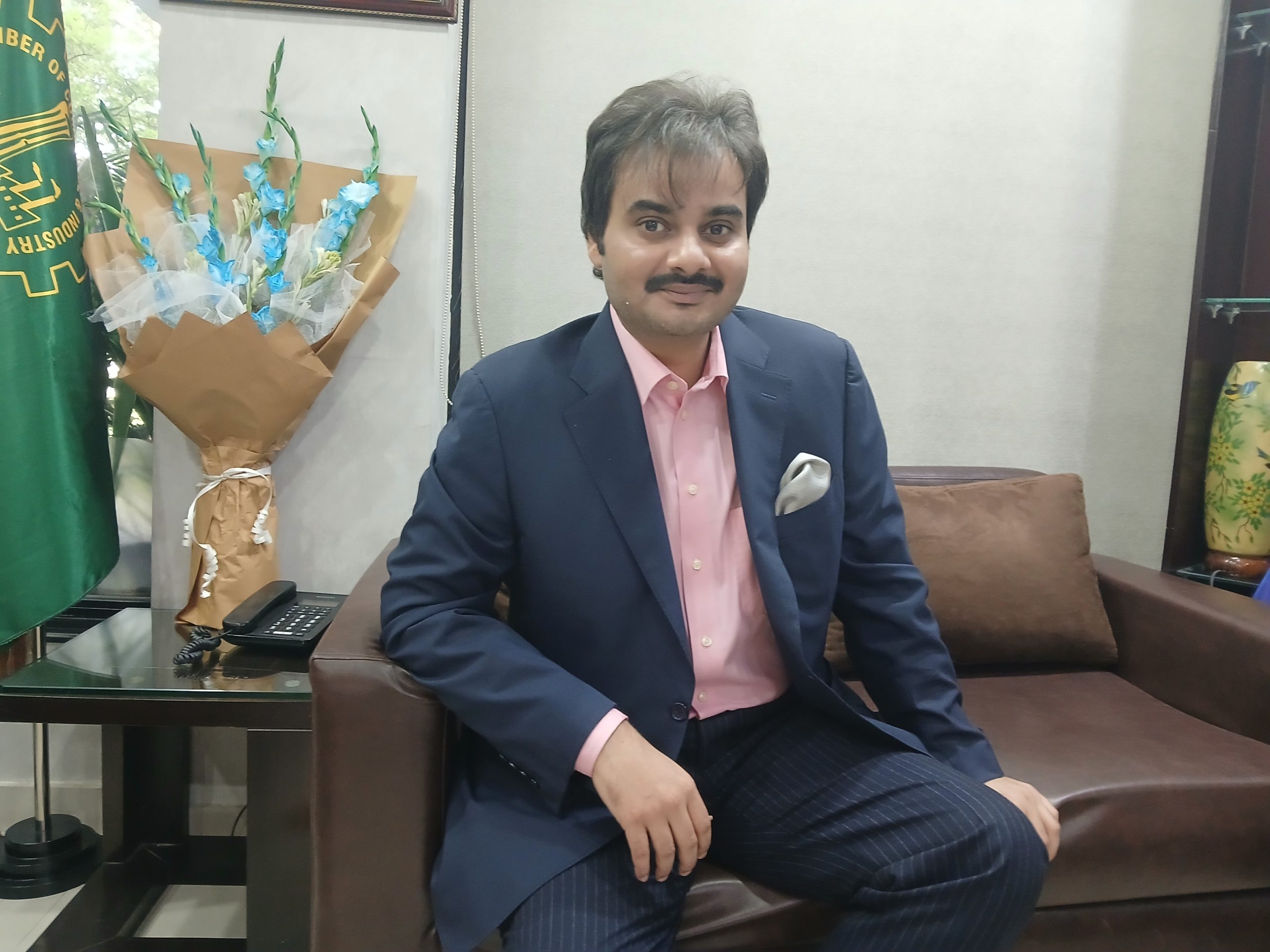



Interview with Ali Hussam Asghar: The young leader who transformed the politics of Lahore’s business community
Ali Hussam Asghar has become a key figure in Lahore’s business landscape. His rise with the Pioneer Businessmen Group (PBG) has brought significant changes to the Lahore Chamber of Commerce and Industry (LCCI). In a surprising turn of events, Ali’s alliance with the remnants of the PIAF helped his group achieve a landslide victory, breaking the long-standing dominance of the PIAF Founder Alliance. His dynamic leadership has left a lasting impact, reshaping the traditional politics of Lahore’s business community. Here is an insightful conversation with the man who redefined the rules of the game.
Ali Hussam Asghar’s journey from a newcomer to a game-changer in Lahore’s business politics is a testament to the power of fresh ideas and inclusive leadership. As he navigates the challenges of his new role, the business community and the city of Lahore are watching closely, hopeful for a brighter future under his able vision.
Q: Ali Hussam, you’ve emerged as a transformative leader in Lahore’s business community. What inspired you to take on the challenge of reshaping the politics of the LCCI?
Ali Hussam Asghar: Thank you for having me. I believe that the LCCI needed a fresh perspective. For decades, the chamber had been dominated by a handful of individuals whose bureaucratic approach and favoritism left little room for new ideas and progressive thinking. When I saw the annoyance among the younger and more dynamic members of the business community, I knew that it was time for a change. Our group, the PBG, aimed to bring a new vision that would provide to the evolving needs of businesses in Lahore.
Q: Your clean sweep victory against the PIAF Founder and Lahore Businessmen Group Alliance was unprecedented. What do you think contributed to this success?
Ali Hussam Asghar: It was a combination of factors. Firstly, the business community was tired of the status quo. The previous leadership had become complacent, relying on their long-standing networks and alliances, but they failed to address the genuine concerns of the community. Their bureaucratic attitude and a tendency towards nepotism had estranged many. We focused on a more inclusive approach, emphasizing transparency, modern solutions, and genuine engagement with stakeholders. I also believe that our collaboration with some experienced members from the PIAF leadership added credibility to our cause. But most importantly, the young entrepreneurs and new business owners saw themselves in our vision. They wanted a leadership that represented their aspirations, and that’s what we offered.
Q: How do you think this shift in leadership will affect the future of the LCCI and Lahore’s business community?
Ali Hussam Asghar: Our aim is to create a more open and collaborative environment at the LCCI. We plan to introduce policies that support innovation, technology adoption, and export-oriented growth. By doing so, we hope to make Lahore a more competitive business hub, not just in Pakistan but in the region. We also want to work closely with the government to ensure that policies are business-friendly and address the real challenges faced by our community, like high taxation, bureaucratic hurdles, and infrastructure issues. This change is not just about who holds the seat; it’s about setting a new standard for leadership—one that serves the entire business community rather than a select few.
Q: Many observers have noted that your victory signals a shift in how the business community views leadership. How do you plan to maintain this momentum?
Ali Hussam Asghar: Sustaining momentum requires continuous engagement with our supporters. We have to stay true to our promises and deliver results. Our focus is on fostering a sense of ownership among the members of the business community. They need to feel that their voices matter and that they have a stake in the decisions made at the LCCI. We’re also establishing a platform where the concerns of small and medium-sized enterprises (SMEs) are heard just as loudly as those of larger businesses. By ensuring that we’re transparent and accountable, we hope to keep the trust and confidence of our supporters.
Q: Critics argue that you lack the experience of your predecessors, who had decades of influence in the LCCI. How do you respond to this?
Ali Hussam Asghar: Experience is important, but it’s not the only factor that makes a good leader. I respect the contributions of those who came before me, but I also believe that being in touch with the modern challenges of business is crucial. The world is changing rapidly, and businesses need to adapt to new realities like digital transformation, e-commerce, and global competition. My experience might not span decades, but my perspective is aligned with the present and future needs of our business community. I think that’s what resonated with the voters—they saw that I could bring fresh ideas and a willingness to tackle the challenges of today.
Q: What message would you like to send to the business community and those who may be skeptical about your leadership?
Ali Hussam Asghar: My message is simple: we’re here to serve, not to rule. Our doors are open to everyone, whether they supported us or not. We are committed to making the LCCI a place where all members feel represented and valued. The changes we’ve initiated are only the beginning. We have a lot of work ahead, and we can only achieve our goals if we come together as a community. To those who are skeptical, I say give us a chance to prove ourselves. We’re confident that, in time, our work will speak for itself.
Q: Lastly, where do you see the PBG and the LCCI in the next five years?
Ali Hussam Asghar: I see us as a driving force for positive change, not only in Lahore but throughout Pakistan’s business sector. We want to set an example for other chambers and business associations to follow. By prioritizing innovation, transparency, and community involvement, I believe we can position the LCCI as a leading voice in the country’s economic growth. Five years from now, I hope people will look back and see this as a turning point—when the business community decided to chart its own path towards progress and prosperity.