


“The goal should be a win-win scenario where we protect the environment without stifling economic growth”
By M Qadeer
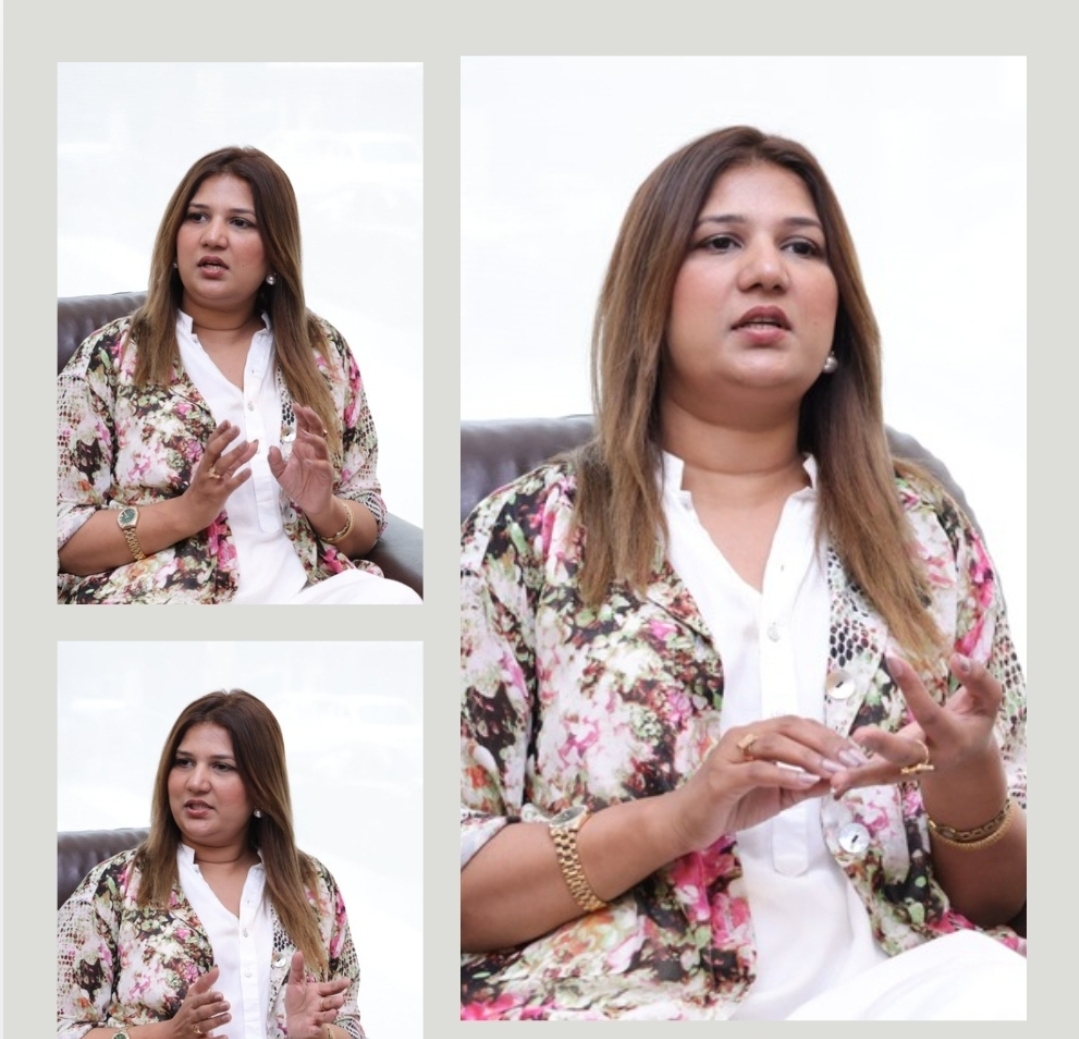
Amna Randhawa, an Executive Committee member of the Lahore Chamber of Commerce and Industry (LCCI), shared her reservations regarding the recent initiatives announced by Chief Minister Punjab Maryam Nawaz Sharif for tackling smog.
In an exclusive interview, she praised the CM’s intentions but highlighted potential challenges in the implementation that could affect the business community.
Q: The CM Punjab recently announced historical measures for environmental improvement, including amendments to the Provincial Motor Vehicle Ordinance. How do you view these measures?
Amna Randhawa: The measures taken by Chief Minister Maryam Nawaz Sharif are well-intended and necessary given the environmental challenges we face. Increasing fines for smoke-emitting vehicles and ensuring that all vehicles have a proper fitness certificate are positive steps. However, my concern is that the implementation of these policies may not be as smooth as envisioned, particularly when it comes to enforcement by officials like traffic police.
Q: Can you elaborate on the enforcement concerns?
Amna Randhawa: The problem lies in how these rules are executed. For example, while ensuring vehicles meet emission standards is crucial, the way traffic police and other officials go about checking for vehicle fitness could create hurdles for businesses. Unfortunately, it is common phenomenon that some officers tend to use such enforcement drives as an opportunity for harassment. This could result in unnecessary stoppages and delays for transport vehicles, ultimately hampering the supply chain and affecting business operations. We must ensure that enforcement does not become a tool for creating obstacles.
Q: The Cabinet has also approved the establishment of District Plastic Management Committees. What are your thoughts on this?
Amna Randhawa: The idea of reducing plastic waste is commendable, and setting up District Plastic Management Committees can play a key role in this regard. Nevertheless, it’s crucial that the committees focus on encouraging businesses to adopt environment-friendly practices, rather than imposing harsh penalties right from the start. We need a balanced approach where businesses are given time to transition to alternatives like biodegradable packaging. An overly strict approach could discourage small traders who are already struggling to cope with other economic challenges.
Q: Do you see any positive aspects in these measures?
Amna Randhawa: Certainly, there are positive aspects. Initiatives like the CM Punjab Livestock Card for small farmers and the establishment of technical universities can uplift various sectors. However, my primary concern is ensuring the enforcement of environmental regulations does not become a burden on the business community. If the government takes a collaborative approach, involving stakeholders like the LCCI in the planning process, these measures can be made more effective without hampering business activities. The goal should be a win-win scenario where we protect the environment without stifling economic growth.
Q: What would you like to suggest to the provincial government?
Amna Randhawa: I would suggest that the provincial government ensures transparency and fairness in the enforcement process. Regular monitoring should be in place to check any misuse of authority by officials. A dedicated grievance redressal mechanism should also be set up for businesses to report any undue harassment. Additionally, the government should facilitate awareness sessions to help businesses understand how to comply with the new regulations without facing disruptions.
In the end, we are ready to support initiatives aimed at protecting the environment, but it’s important to strike the right balance so that businesses can continue to operate smoothly while contributing to a greener Punjab.